Productivity is often sort of linked to working longer hours, keeping to strict schedules, or basically staying in motion , like 24/7. But honestly, being productive isnt really about doing more tasks. It’s more about using your time, energy, and attention in a better way. Still, many people get stuck with low productivity because of weak everyday habits, not having a clear system, unhealthy routines, or those constant little distractions that seem harmless until they add up. Over time, all of that can turn into stress, deadlines that slip, and even less drive.
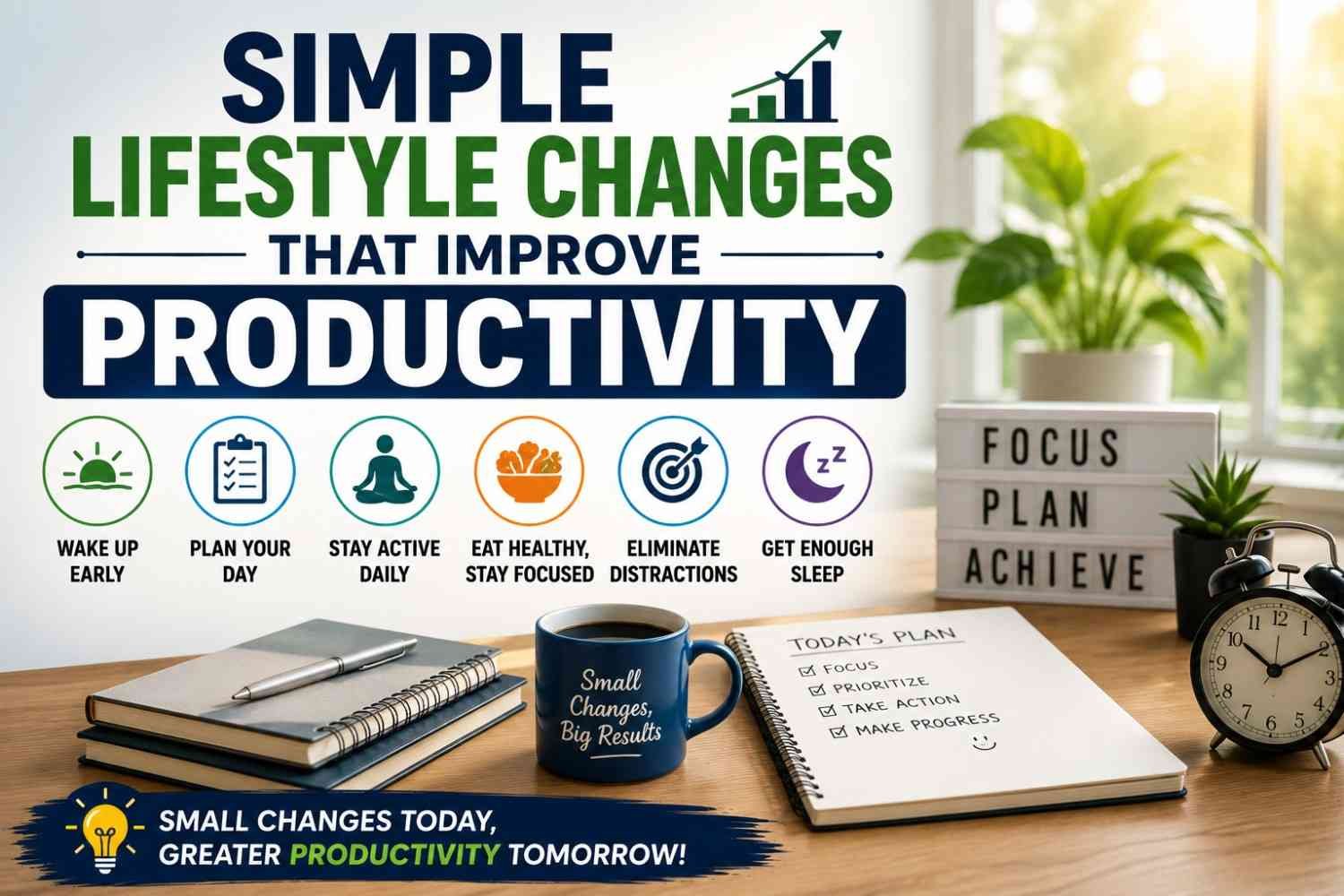
The good news, though, is that improving productivity doesnt always mean big lifestyle shifts. Actually, small and consistent habits usually create the strongest results. Things like getting enough rest, laying out your day, moving your body regularly, cutting down on distractions, and keeping a healthy work setup can noticeably raise your focus and efficiency. These habits help you work smarter instead of harder. So you end up getting more done, while still keeping a balanced relationship between work and your personal life.
Whether you’re a student, an entrepreneur, a remote worker, or a full-time professional, building productive daily routines can improve your personal world, and also your career side. Productivity isnt only finishing things. It’s also caring for your physical health , mental steadiness, and the overall lifestyle. When your body and mind are in good shape, you naturally think more clearly, make better calls, and stay motivated across the day.
In this guide, we’ll dig into the most effective Simple Lifestyle Changes That Improve Productivity , talk about why they matter, and give practical strategies you can start using right now. Throughout the piece, you’ll also see naturally integrated SEO keywords , including Productivity Tips, Healthy Habits, Time Management, Self-Improvement, Daily Routine, Work-Life Balance, Focus Improvement, Mental Wellness, Personal Development, Goal Setting, Healthy Lifestyle, Stress Management, Mindfulness, Energy Management, and Success Habits.
Why Lifestyle Habits Affect Productivity
Productivity is not just about raw talent. Like, your everyday habits somehow mess with your energy levels, your focus , your drive, and even the way you make decisions. When you repeatedly stick to healthier routines your body and mind work more smoothly and it becomes easier to finish things without feeling completely swamped.
But if sleep is poor, the eating habits are kind of messy, there are constant distractions everywhere, and there’s basically no movement during the day, then your ability to concentrate drops and your output starts to wobble. Still, when you choose positive lifestyle patterns, you set up a solid groundwork for steady, long haul wins.
Benefits of Healthy Lifestyle Habits
- Improve focus and concentration.
- Increase daily energy.
- Reduce stress levels.
- Support better decision-making.
- Enhance creativity.
- Encourage long-term productivity.
Small improvements often produce significant long-term results.
1. Start Your Day with a Clear Plan
A good day usually starts before you even begin working. If you make a plan for what you want to do you will know what you need to do.
You will not be running around trying to figure out what to do
Making a plan helps you stay on track and you will not waste time trying to decide what to do.
Your daily plan should include your Productive Day tasks.
Ways to make a plan include:
- Write down what you need to do each day.
- Figure out what is most important.
- Make sure your goals are realistic.
- Set aside time to focus on your work.
- Leave some time in case something unexpected comes up.
- Look back at what you did at the end of the day.
Planning helps you stay organized and feel less stressed.
2. Get Quality Sleep
Sleep is really important if you want to be productive.
When you get sleep your brain works better and you can focus for longer.
If you do not get sleep you might have trouble paying attention and you might make mistakes.
Grown ups should try to get sleep every night so their bodies and minds can work well.
To sleep well you should:
- Go to bed at the time every night.
- Do not look at screens before you go to sleep.
- Make your bedroom comfortable.
- Do not eat a meal right before you go to sleep.
- Try not to have much caffeine before you go to sleep.
- Wake up at the time every day.
Good sleep helps you be healthy and Productive.
3. Exercise Regularly
Exercise is good for your body and your brain.
When you exercise you feel more energized. You can focus better.
Even just taking a walk can help you feel more alert and focused.
Exercise helps you in ways including:
- Giving you energy.
- Helping you focus.
- Making you feel happier.
- Reducing stress.
- Motivating you to do more.
- Making you feel better overall.
If you exercise regularly you will be able to perform over time.
4. Eat an Nutritious Diet
The food you eat gives you energy to think and work.
If you eat food you will have plenty of energy to get things done.
If you skip meals or eat much junk food you might feel tired and have trouble focusing.
To eat well you should:
- Eat meals that have a bit of everything.
- Eat fruits and vegetables.
- Drink plenty of water.
- Do not eat many sugary snacks.
- Choose grains.
- Do not eat much junk food.
Eating well helps you think clearly and stay focused.
5. Practice Better Time Management
If you are good at managing your time you can get a lot done without feeling overwhelmed.
Of trying to do too many things at once focus on one task and then move on to the next.
If you use your time well you can balance your work and your personal life.
To manage your time well you should:
- Decide what is most important.
- Break tasks into smaller ones.
- Use a calendar or planner.
- Do not put things off until later.
- Take breaks regularly.
- Look back at what you did each day.
If you use your time wisely you will be more productive and less stressed.
6. Reduce Digital Distractions
Notifications and social media can interrupt you times an hour.
If you turn off distractions you can focus on your work for longer.
To minimize distractions you should:
- Turn off notifications that you do not need.
- Put your phone away when you are working.
- Do not use media too much.
- Close tabs, on your computer that you are not using.
- Work in a place.
- Set aside time to focus on your work.
If you protect your attention you will do work.
7. Take Breaks
Many people think working non-stop gives better results.. Short breaks actually help you focus and avoid getting mentally tired.
When you step away from your workspace for a minutes it refreshes your mind and helps you come back with renewed focus.
Here are some healthy break ideas:
- Stretch your body.
- Walk around briefly.
- Drink water.
- Practice breathing.
- Rest your eyes.
- Spend a minutes outdoors.
Taking breaks helps you stay productive in the long run.
8. Practice Mindfulness
Mindfulness helps you stay in the moment instead of worrying about the future or past.
People who practice mindfulness often have concentration, emotional balance and make better decisions.
Here are some mindfulness practices:
- Deep breathing.
- Short meditation sessions.
- Writing in a gratitude journal.
- Quiet reflection.
- Listening carefully.
- Focusing on one task at a time.
Mindfulness improves both productivity and mental wellness.
9. Keep Your Workspace Organized
Your workspace affects how well you can focus. A clean and organized workspace reduces distractions. Helps you find what you need.
Even small improvements in organization can make you more efficient throughout the day.
Here are some workspace improvements:
- Remove clutter.
- Organize documents.
- Keep items nearby.
- Improve lighting.
- Maintain seating.
- Clean your workspace regularly.
An organized workspace helps you focus better.
10. Learn to Say No
Saying yes to every request can lead to burnout and reduced productivity.
Learning to say no politely helps protect your schedule and focus on tasks.
Here are the benefits of setting boundaries:
- Protects your time.
- Reduces stress.
- Improves focus.
- Prevents burnout.
- Encourages expectations.
- Supports work-life balance.
Healthy boundaries lead to long-term success.
11. Continue Learning Every Day
Learning things helps you become more efficient over time. It allows you to solve problems better and adapt to changes.
Reading books, attending workshops or taking courses helps both personal and professional growth.
Here are some growth habits:
- Read regularly.
- Learn technologies.
- Improve communication skills.
- Develop leadership abilities.
- Practice thinking.
- Reflect on experiences.
Learning keeps your mind active and adaptable.
12. Set Meaningful Goals
Clear goals give you direction and motivation. Without goals it’s easy to get busy without making progress.
Effective goal setting helps you prioritize efforts and measure achievements.
Here are some goal-setting tips:
- Define objectives.
- Make goals realistic.
- Break goals into milestones.
- Track progress.
- Celebrate achievements.
- Adjust plans when needed.
Purposeful goals increase motivation and consistency.
Common Productivity Mistakes to Avoid
productive people sometimes develop habits that reduce efficiency.
Here are mistakes to avoid:
- Multitasking excessively.
- Skipping meals.
- Ignoring sleep.
- Constantly checking media.
- Working without breaks.
- Setting expectations.
Recognizing these habits helps you replace them with routines.
Building Long-Term Productivity Habits
True productivity comes from consistency, not perfection. Focus, on improving one habit at a time of trying to change everything at once.
Small daily improvements become long-term routines that support greater success.
Here are some long-term success strategies:
- Stay consistent.
- Build one habit at a time.
- Review progress regularly.
- Maintain routines.
- Learn from setbacks.
- Celebrate improvements.
- Consistency creates results.
Conclusion
Making Simple Lifestyle Changes That Improve Productivity doesn’t need some massive overhaul or complex systems. Honestly, most times, the win comes from sticking to small, healthy habits , bit by bit, over weeks and months. If you tune up your Daily Routine, sharpen your Time Management, eat nutritious meals, exercise regularly, practice Mindfulness, cut back on distractions, and set goals that actually matter, your productivity can go up a lot… and so can your general well-being.
Also remember, productivity isn’t just about working nonstop , it’s about using your energy wisely while keeping a decent balance between work and personal life. Long-term success usually shows up when you care for your body, safeguard your mental wellness, and form habits that help you keep growing without burning out.
To begin, pick one or two strategies from this guide and put them into practice again and again. Once they start feeling normal, you may notice more focus , higher energy, better efficiency, and a steadier way of reaching both your personal and work related goals.
Frequently Asked Questions
1. What lifestyle changes improve productivity the most?
Some of the most effective changes include getting enough sleep, exercising regularly, improving Time Management, reducing distractions, eating nutritious meals, and maintaining a consistent Daily Routine.
2. Why is sleep important for productivity?
Quality sleep improves concentration, memory, decision-making, and energy levels, allowing you to perform tasks more efficiently throughout the day.
3. Can exercise really improve productivity?
Yes. Regular physical activity boosts energy, reduces stress, improves mood, and enhances focus, all of which contribute to better daily performance.
4. How can I stay productive without feeling overwhelmed?
Prioritize important tasks, take regular breaks, practice Mindfulness, set realistic goals, and avoid multitasking to maintain consistent productivity without burnout.
5. How long does it take to build productive habits?
The time varies for each individual, but practicing healthy habits consistently over several weeks can help them become part of your daily routine and support long-term success.