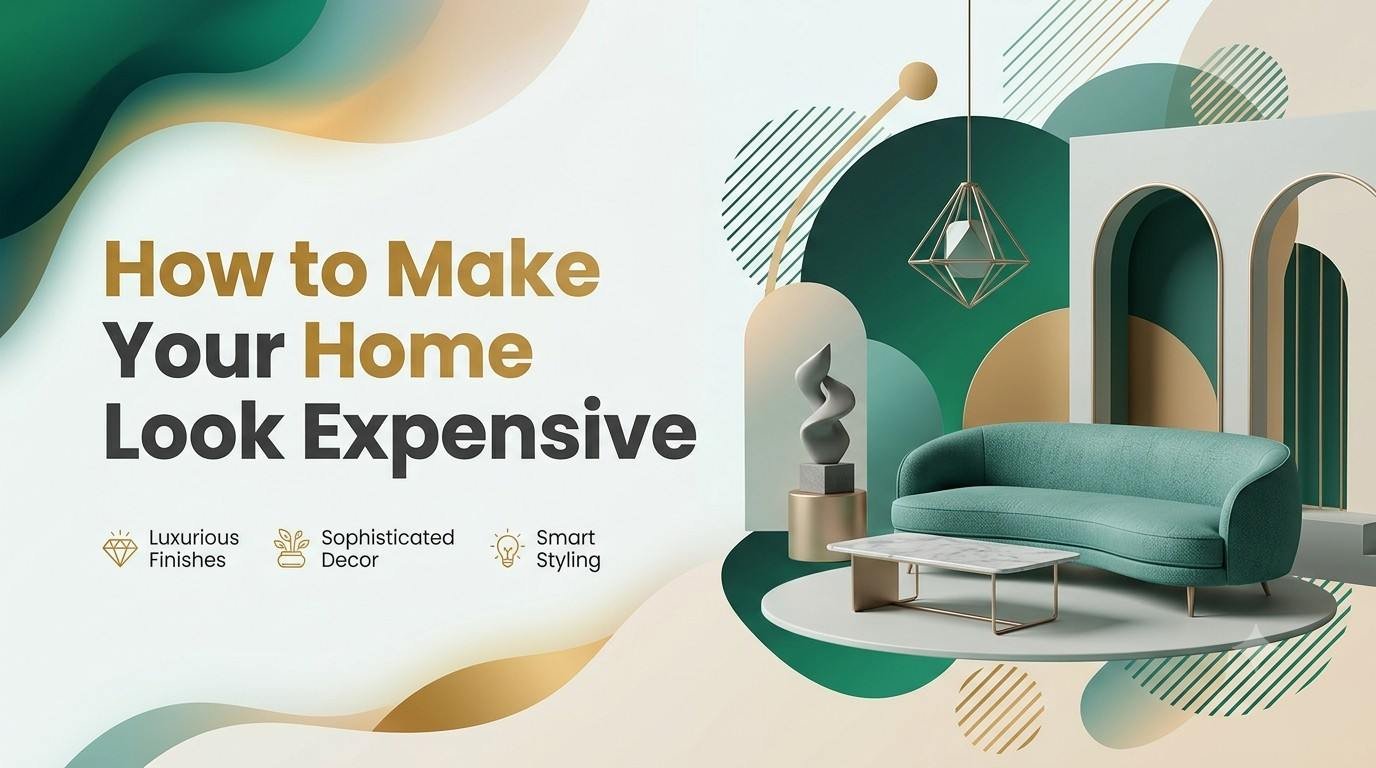
A house might look high end while costing less than people think. Still, a lot of folks believe that “luxury” always means fancy designer pieces, far away materials, or a total makeover. But a space can feel rich for simpler reasons. It is often about how things fit together in size, how light lands on the room, and how colors match. Clear, neat surfaces matter too. Fabrics that look solid and furniture that is placed with care can make a big difference. If those pieces are off, even pricey items can end up looking random.
The bright side is that you can get a nicer look without starting from zero. You can work with what is already there. Small changes can calm a room and help it look finished. If you are trying to make your home look expensive, buy less. Try to choose better and decide what stays, what needs change, and how each item relates to the rest.
1. Begin by Clearing Things Out
One quick path to an expensive home look is to cut down on clutter you can see. Upscale rooms feel calm because each item looks placed, not thrown in. When there are too many small decorations, mixed bits that do not match, visible wires, and crowded surfaces, the whole space can feel less refined.
Start with places people look at first. Think coffee table tops, kitchen counters, the TV area, and entry surfaces. Pick a few items you truly like, then put the rest away. This is one of the most budget friendly ways to reach a luxury look, since you are upgrading the room’s feel without needing to buy new stuff.
2. Choose a Sophisticated Color Palette
Color shapes the mood in a space. When the colors match well, even a plain room can feel planned. When the shades do not connect, the room can look busy and a bit messy.
Use calm base tones first. Warm white, beige, taupe, light gray, cream, and soft earthy colors work as a steady start. After that, add one or two darker or richer accent colors. Do it through pillows, wall art, rugs, or small decor items.
When you are picking ideas for a nice home look, do not chase trends only. Focus on how things work together. If your walls, furniture, textiles, and accessories lean toward the same kind of undertone, the whole room feels more deliberate.
3. Upgrade Your Lighting
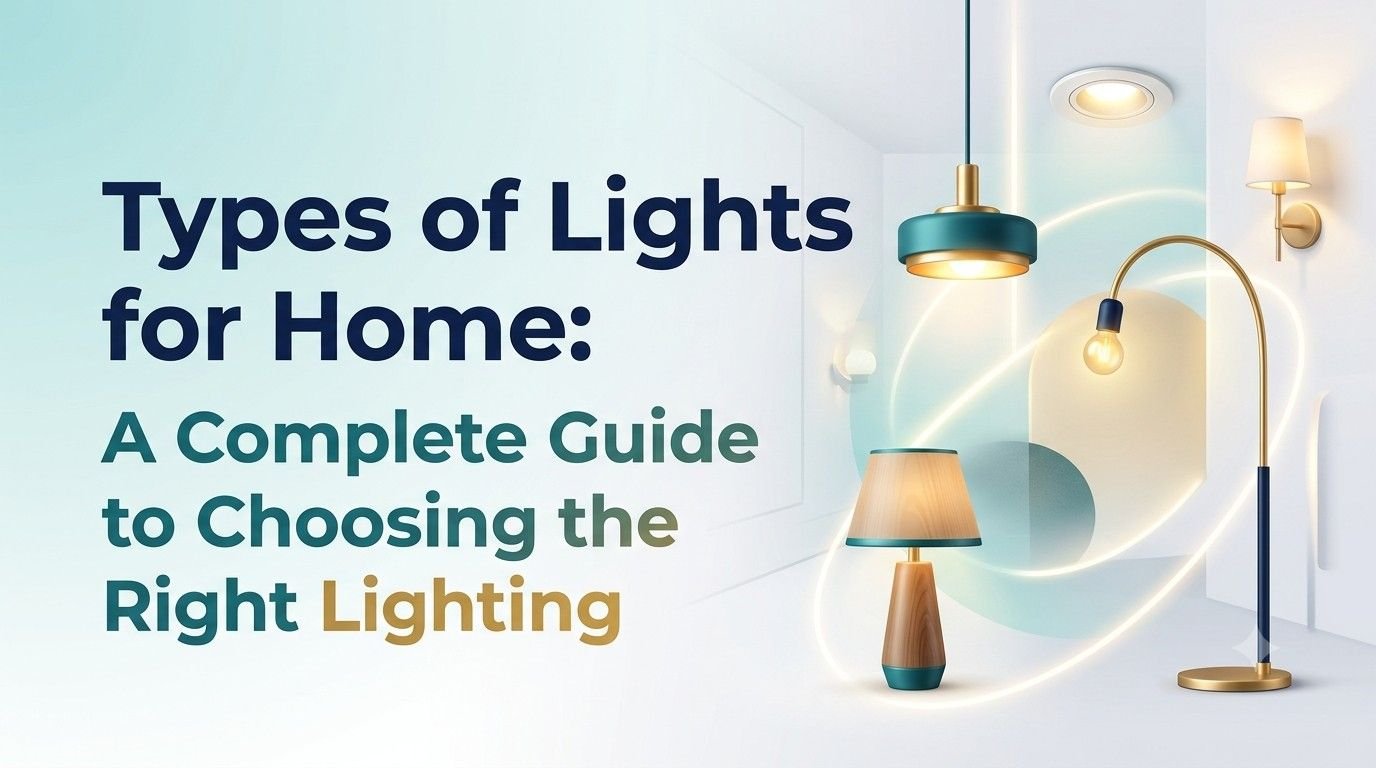
Bad light can flatten what you paid for and what you worked on. Solid lighting, by contrast, can lift the feel right away and bring out the best parts of the room. Avoid relying only on one ceiling bulb. Instead, mix light in layers. Use ambient light, task light, and accent light. Table lamps, floor lamps, wall fixtures, pendants, and hidden lighting all help you build depth.
Consider these luxury lighting ideas for homes:
- Use warm-toned lighting in living areas.
- Add lamps to dark corners.
- Highlight artwork or architectural details.
- Use bedside lighting instead of relying only on ceiling fixtures.
- Keep harsh, overly bright lighting away from relaxing spaces.
4. Use Curtains That Reach the Floor
Curtains can shift how tall a room feels and how the walls look. If the curtains are short or not well fitted, the window can seem less wide. When they reach the floor, the space usually feels more put together.
Put the rod up a bit above the window frame, and set it a little wider too, when you can. Let the fabric cover the opening and give it a clean outline. Pick a cloth that hangs well. If you want a neat look, skip patterns that are too loud or too busy. This is a simple trick that can change how one big wall reads, even if you do not move your main furniture.
5. Choose textiles that look good and feel good
Soft items bring warmth and depth to a room. A basic sofa can look more polished with the right cushions, throws, and a rug that fits. Do not focus only on price tags. Look at the feel and texture. Fabrics like cotton, wool mixes, linen-style material, velvet bits, and woven textures can add layers.
If you want “nice on a budget” ideas, start with what people notice first. A standout rug, well matched cushions, and good curtains can have more effect than lots of small decor pieces.
6. Go bigger with the rug
A small rug can make your furniture feel like it is floating. A rug that fits the seating area helps everything sit together and look planned.
Try to place at least the main furniture pieces so they land on the rug. This depends on the room size and your layout. Measure first. Do not pick by looks alone. A rug with the right scale can be one of the best living room upgrades without much cost. It can set the zone and add color, texture, and comfort at the same time.
7. Add Mirrors Strategically
Mirrors can brighten a space and make it feel larger. They can also act like a clear design point in the room. A single bigger mirror usually looks better than a group of small ones scattered around. Pick a frame that looks clean and fits the space. Set the mirror so it catches daylight, reflects something nice, or shows a good view. Try not to point it at messy areas or clutter. When a mirror is placed with care, it can give your home a more upscale look without major work.
8. Upgrade cabinet hardware
You do not have to swap every cabinet to refresh the look. New knobs and handles alone can make the kitchen or bathroom feel updated right away.
Match the hardware to the room. Brushed metal and matte finishes can work well. Classic pulls or simple modern pieces also blend nicely. This budget change matters because it is small, yet it can shift how the whole cabinet area feels.
9. Keep surfaces simple
A nicer home design often leaves room to breathe. This does not mean you must remove everything from a table or shelf. It means the items you keep should feel chosen, not random.
Instead of filling a console with many things, place a lamp, one piece of wall art, and a single decor piece. On a coffee table, a tray with one book and a small vase can look more put together than many separate items. The idea is straightforward. Fewer things, clearer choices.
10. Add Statement Artwork
Artwork can give a space a clear identity. It can also act as the main visual point. You do not have to buy a pricey original painting to get that look. Match the art to the colors already in the room, and keep in mind the room size. In many cases, one bold work will land better than many small frames lined up on a wall.
If you want home decor that looks put together, do not chase filling every wall. Instead, pay attention to size, where you place items, and how the piece looks up close.
11. Use natural materials
Natural materials can make a room feel less cold. They also tend to look more refined. Think wood, stone, linen, rattan, ceramic, leather, and natural fiber blends. These add texture that some smooth, made finishes do not offer.
Add them in a few places instead of everywhere. You can use them through furniture, baskets, planters, trays, rugs or flooring, small accessories, or even table items. Mixing clean surfaces with rougher texture can bring a modern feel. The room stays relaxed, not stiff.
12. Add indoor plants
Plants add color and make a home feel lived in. They also help soften sharp lines in the layout. A tall plant in a blank corner can work as the main focus. Smaller plants can still help by bringing interest to shelves and tables. Pick plants based on how much light you actually get. If caring for real plants is hard, choose a few good artificial plants. Do not crowd the space with them. Aim for a calm mix, not an indoor jungle.
13. Improve Your Entryway
The doorway sets the mood for your place. Even if the rooms inside look great, an untidy entry can make everything seem off right away. Try to keep shoes, bags, keys, and random items from piling up. If you have room, add a mirror, a small console, gentle lighting, or a basic framed print.
These entry ideas can help the home feel more open while guests are still at the threshold.
14. Look at the hardware and the small stuff
It is the little touches that can make a room feel finished. Think about door handles, switch covers, cabinet knobs, curtain rods, sink faucets, and light fixtures. They shape the look more than most people notice.
You do not need to swap it all at once. Pick the parts that stand out as the most worn or dated. Change them little by little. This way you can get a more high-end look without spending in one big push. The upgrades add up, and the whole space starts to feel more matched.
15. Use balance when it fits
Balanced layouts can make a room feel steady and clear. Two matching lamps near a bed, matching chairs at a dining table, or evenly placed items on a console can give a tidy feel.
Still, you do not have to force exact mirror-image symmetry in every corner. A well-balanced look can also come from mixing different sizes as long as they feel close in visual weight. Use this idea most around key spots like beds, fireplaces, sofas, and consoles.
16. Keep Furniture Proportional
Rooms that look upscale often have good scale. If a sofa or chair is too big, the area can feel tight. If the furniture is small, the room can seem bare.
Before you buy anything, check the room size. Measure doorways, hall paths, and the pieces you already own. Plan for walk space too, so people can move around without bumping into furniture. Proper balance matters in home decor. It shapes the whole look, not just one item.
17. Deal With Cables You Can See
Naked cords and messy bundles make a space look thrown together right away. The good news is that cable control usually improves fast and does not need a big budget.
Try cable sleeves, clips, cable boxes, or hidden channels. Also keep chargers in order. Try not to let loose cords pile up near desks or inside media areas. A tidier setup can make the room feel more complete and modern.
18. Pick One Main Focus
Most rooms need a clear eye catcher. That job can go to a bold wall piece, a standout sofa, a strong lamp, an interesting accent wall, a fireplace, or even a great window view. If everything is trying to be the star, the room looks flat. Choose one key feature. Then let the rest of the decor support it.
This idea helps when you want a higher end look on a limited budget. You guide attention to one chosen element, instead of buying many pricey items. Rooms that look upscale often have good scale. If a sofa or chair is too big, the area can feel tight. If the furniture is small, the room can seem bare.
19. Make Your Bedroom Feel Like a Hotel
The bedroom is one of the simplest rooms to make you feel high end. Fabrics and lighting do most of the work. Layer the sheets, add pillows that match each other, and use small lamps near the bed. Hang soft window curtains and stick to a calm set of colors. Try to keep the nightstand fairly empty, and pick fabrics that feel good. A hotel look tends to work because it aims for comfort and order. It uses steady proportions and a quiet visual feel, not a lot of extra decoration.
20. Upgrade your bathroom accessories
A bathroom can feel more polished without a full remodel. Swap out towels that do not match, change soap dispensers and storage boxes, and replace bath mats. Remove the random items that are out in the open. Use sets that fit together.
Pick one type of finish for taps and knobs. Keep the counters mostly clear. A framed mirror can help, and better lighting often shows up right away. These budget luxury bathroom tips focus on how things look, not on costly work.
How to Make a Home Look Expensive on a Budget
If you have limited money, prioritize changes that affect the largest visual areas first. Declutter the room, improve lighting, upgrade curtains, choose a suitable rug, coordinate textiles, and fix obvious maintenance issues before buying decorative accessories.
A simple priority list could look like this:
- Declutter and organize.
- Improve lighting.
- Fix curtains and window treatments.
- Add a properly sized rug.
- Coordinate cushions and textiles.
- Upgrade visible hardware.
- Add artwork or one statement piece.
- Introduce plants and natural textures.
- Improve small details.
- Maintain everything consistently.
This approach allows you to create a refined appearance without turning the project into an expensive renovation.
Common Mistakes That Make a Home Look Cheap
Nice furniture can still feel underwhelming if the rest of the room is ignored. A few frequent slips show up a lot. For example, people grab rugs that do not fit the space. They also use lights that are too harsh. Shelves get packed too tight. Some people buy furniture before they measure the area. Finishes get mixed without any plan. Then there is the simple issue of cords and clutter left in plain view.
Another common issue is getting every piece from one matching line. A room often looks more refined when there is some variety. At the same time, the colors and main materials should still work together. You are not chasing flawless design. You are aiming for a clear, steady look.
Conclusion
Getting a home to look high end is not only about paying more. It is about making choices with care. Clear out extra items. Adjust the lighting so it feels right. Use colors that match or at least blend well. Pick rugs and curtains that are the correct size. Swap visible hardware for cleaner options. Add natural materials where it makes sense. Choose fewer accessories, but select ones that look better. The best luxury decor ideas keep style and comfort in the same place. They also keep things practical and true to your own taste, not like a showroom copy. Start with the changes that stand out the most. Stay within your budget. Also, a home that is kept tidy and arranged with thought will usually look better than a room stuffed with costly items.
Frequently Asked Questions
1. How can I make my home look expensive without spending much?
Start with decluttering, better lighting, coordinated textiles, floor-length curtains, a properly sized rug, and updated hardware. These changes can create significant visual improvement without major renovation costs.
2. What colors make a house look more luxurious?
Warm neutrals such as cream, beige, taupe, soft gray, and muted earthy tones often create an elegant foundation. Add one or two carefully chosen accent colors for contrast.
3. Does lighting really make a home look expensive?
Yes. Layered lighting can add warmth, depth, and visual focus. Combining ceiling, floor, table, wall, and accent lighting often creates a more polished atmosphere.
4. How can I make my living room look luxurious?
Use a correctly sized rug, coordinated cushions, attractive curtains, layered lighting, a clear focal point, and limited but intentional accessories. Good furniture proportions are equally important.
5. What is the cheapest way to make a house look luxurious?
Decluttering and deep cleaning are among the cheapest improvements. After that, focus on lighting, curtains, textiles, hardware, and furniture arrangement before purchasing expensive decorative pieces.