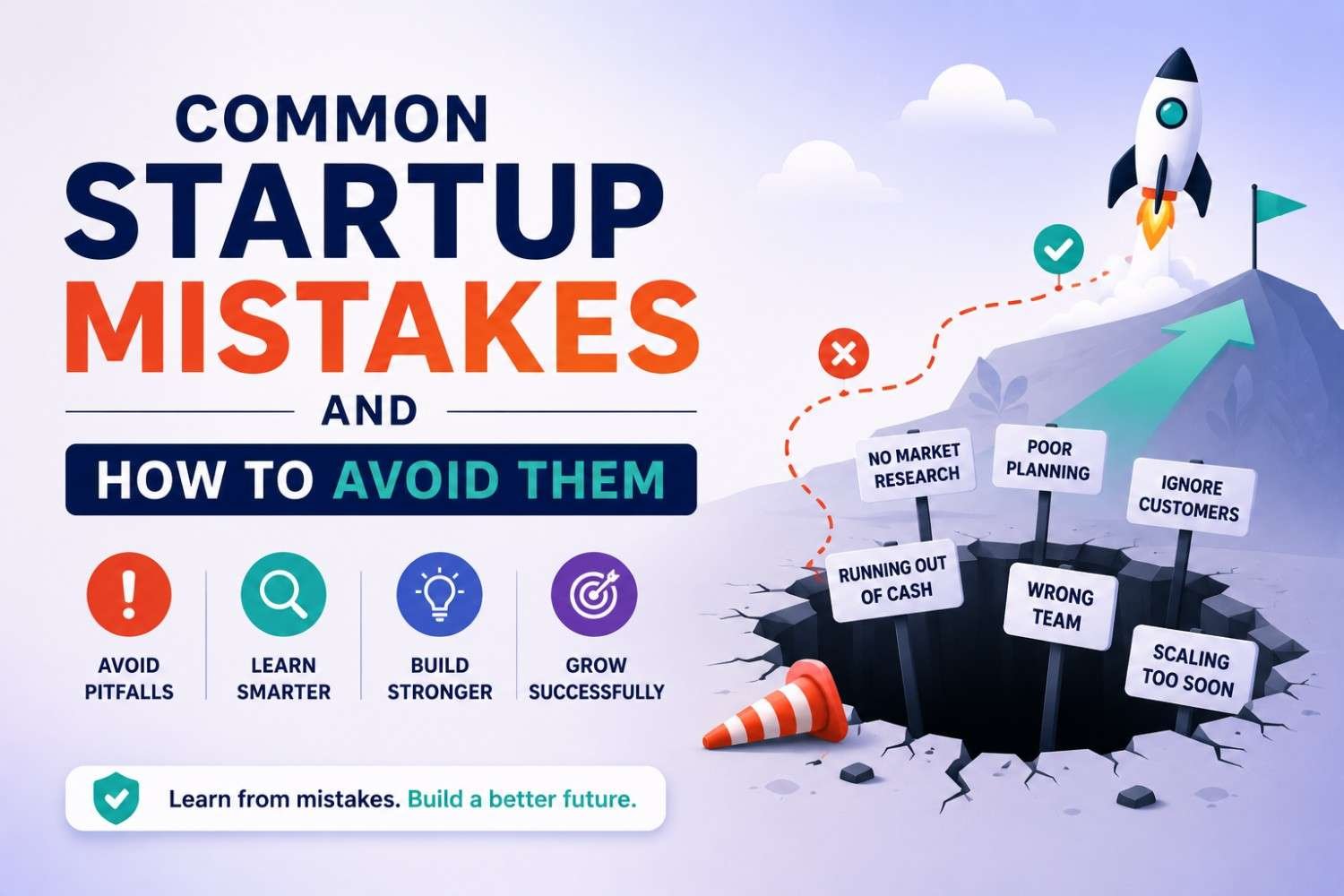
Starting a business is this really exciting journey, full of chances , innovation, and that dream of making something meaningful. Every year, thousands of entrepreneurs launch startups hoping to solve problems, bring in one of a kind products, or shake up whole industries. But even if the passion is real and you work hard, it’s still not enough to make success automatic. A lot of startups run into trouble within their first few years, usually because of avoidable issues like shaky planning, weak financial management, unclear business strategies , or not really understanding what customers actually need. And yeah, these problems can turn a promising idea into a stressful situation fast, especially if founders were not prepared for the real day to day stuff behind entrepreneurship.
The encouraging part is that most startup failures aren’t really about having no talent, or no effort—they usually happen when entrepreneurs repeat the same kinds of mistakes other people already went through. If you learn these mistakes before you launch, it can seriously improve your odds. When you know what often goes wrong, and you put smarter approaches in place from the start, you can make better choices, cut down on pointless risk, and build a company that grows more steadily over time. In this guide, we’ll dig into Common Startup Mistakes and How to Avoid Them, explain why these problems show up, and share practical solutions every entrepreneur should keep in mind. And along the way, you’ll notice integrated SEO terms like Startup Business, Entrepreneurship, Business Growth, Business Planning, Small Business, Business Strategy, Startup Funding, Financial Management, Market Research, Customer Experience, Business Success, Leadership Skills, Business Development, Risk Management, and Business Innovation.
Why Understanding Startup Mistakes Is Important
Every successful business owner has had hard moments along the way, like, things that kind of trip you up. The difference is that experienced entrepreneurs learn from mistakes faster, and they keep adjusting their approach over and over, even when it’s messy.
Getting a grip on the most common startup mistakes before you launch your business is a big help too. It can cut down on pricey errors, strengthen how you decide things, and build a more solid foundation for long term success.
Benefits of Learning from Startup Mistakes
- Improves business planning.
- Reduces financial risks.
- Strengthens decision-making.
- Builds customer trust.
- Supports sustainable growth.
- Increases long-term success.
Preparing for challenges is often more valuable than reacting to them after they occur.
1. Starting Without Proper Market Research
Many business owners get excited about their ideas. Start building things without checking if people actually want them. This can lead to sales and wasted resources. Market research helps business owners understand what customers need how they behave, who the competitors are and what they expect in terms of pricing and industry trends.
It allows founders to validate ideas using data rather than assumptions.
- Research customer needs through surveys and interviews.
- Study competitors to identify market gaps.
- Analyze industry trends before launching.
- Test products with an audience before scaling.
- Gather customer feedback.
Proper market research reduces uncertainty improves product development and increases the chances of creating solutions that customers genuinely value.
- Better product-market fit.
- Smarter business decisions.
- Reduced investment risk.
- Stronger customer satisfaction.
2. Creating a Weak Business Plan
A startup without a business planning strategy often struggles to stay focused. Many founders concentrate on launching their product while overlooking long-term goals, financial planning, marketing strategies and operational processes. A strong business plan acts as a roadmap that guides decision-making helps attract investors and provides direction during periods of growth or uncertainty.
- Define short-term and long-term goals.
- Outline target audience and marketing strategy.
- Estimate startup. Operating expenses.
- Include revenue projections.
- Review and update plan regularly.
A detailed business plan helps entrepreneurs remain organized while preparing for opportunities and challenges.
- Clear business direction.
- Improved financial planning.
- Better investor confidence.
- Sustainable growth.
3. Ignoring Financial Management
Poor financial management is one of the leading reasons startups fail. Some founders overspend during stages underestimate operating costs or fail to monitor cash flow consistently. Managing finances carefully helps businesses survive periods while creating opportunities for future expansion.
- Create a budget.
- Monitor cash flow every month.
- Separate personal and business finances.
- Build an emergency reserve.
- Invest carefully in growth.
Healthy financial management ensures a business can continue operating during unexpected challenges.
- Better cash flow.
- Lower financial stress.
- Increased stability.
- Stronger profitability.
4. Trying to Do Everything Alone
Many entrepreneurs believe they must handle every responsibility themselves to save money. While this may seem practical initially managing marketing, sales, customer support, finance, operations and product development alone often leads to burnout. Building a team and delegating responsibilities allows founders to focus on strategic decision-making instead of becoming overwhelmed by daily tasks.
- Hire professionals when possible.
- Delegate repetitive work.
- Use technology to automate tasks.
- Seek mentorship from entrepreneurs.
- Build trusted partnerships.
Collaboration improves efficiency. Allows businesses to grow more effectively.
- Better productivity.
- Improved leadership.
- Faster growth.
- Reduced stress.
5. Failing to Understand Customers
A business cannot succeed without understanding its customers.Many startups focus heavily on their products while paying attention to customer expectations, feedback and changing preferences. Providing value requires communication with customers and a willingness to improve products based on their experiences.
- Collect customer feedback
- Monitor customer satisfaction.
- Personalize customer experiences.
- Respond quickly to complaints.
- Continuously improve offerings.
Happy customers become supporters who recommend a business to others.
- Higher customer retention.
- Better reputation.
- Increased referrals.
- Sustainable growth.
6. Poor Marketing Strategy
Even exceptional products struggle without marketing.Some startups assume customers will automatically discover their business after launching. Visibility requires consistent promotion.
A strong business strategy includes marketing, search engine optimization, social media engagement, email campaigns and valuable content creation.
- Build a website.
- Invest in SEO and content marketing.
- Maintain social media profiles.
- Develop email marketing campaigns.
- Track marketing performance.
Consistent marketing attracts customers while strengthening brand recognition.
- Increased visibility.
- Better lead generation.
- Higher sales.
- Stronger brand awareness.
7. Growing Quickly
Rapid expansion may appear exciting but scaling before establishing stable operations can create financial and operational challenges. Businesses should focus on strengthening processes before increasing staff launching new products or entering new markets.
- Expand gradually.
- Monitor cash flow carefully.
- Improve existing operations first.
- Validate demand before scaling.
- Build systems.
Steady growth creates long-term success than rapid uncontrolled expansion.
- Reduced business risks.
- Better resource management.
- Sustainable development.
- Improved stability.
8. Ignoring Technology and Automation
Modern businesses benefit significantly from tools and automation. Startups that continue relying on processes often struggle with efficiency as they grow.
Automation improves productivity while reducing work and human error.
- Use project management software.
- Automate repetitive tasks.
- Implement CRM systems.
- Adopt cloud-based tools.
- Analyze business data regularly.
Technology helps businesses scale efficiently while improving customer service.
- Higher efficiency.
- Better organization.
- Reduced operational costs.
- Improved productivity.
9. Hiring the Wrong People
A teams success plays a role in a startups success. Hiring individuals based on technical skills without considering attitude, communication and cultural fit often creates workplace challenges. Strong teams share company values. Contribute to long-term growth.
- Hire carefully.
- Conduct interviews.
- Check references.
- Invest in employee development.
- Build a culture.
Great employees strengthen innovation, productivity and customer satisfaction.
- Better teamwork.
- Higher employee retention.
- Improved performance.
- Positive workplace culture.
10. Giving Up Early
Every startup experiences setbacks.Market changes, financial challenges and unexpected obstacles are parts of entrepreneurship. Successful founders view setbacks as learning opportunities or reasons to quit.
- Stay adaptable.
- Learn from failures.
- Review business strategies regularly.
- Seek advice.
- Focus on improvement.
Persistence often separates entrepreneurs from unsuccessful ones.
- Greater resilience.
- Stronger leadership.
- Better decision-making.
- Long-term business success.
11. Ignoring Legal and Compliance Requirements
Many startups overlook responsibilities during early stages of business. Missing licenses, tax registrations, contracts or intellectual property protection can lead to problems later.
- Register a business properly.
- Understand tax obligations.
- Protect. Intellectual property.
- Use reviewed contracts.
- Stay updated on regulations.
Legal compliance protects a business from risks and builds trust with customers and investors.
- Reduced legal risks.
- Better business credibility.
- Stronger investor confidence.
- Long-term security.
12. Not Measuring Business Performance
Without tracking performance entrepreneurs cannot identify what is working and what needs improvement. Monitoring performance indicators allows businesses to make informed decisions based on real data.
- Monitor revenue growth.
- Track customer acquisition costs.
- Measure customer retention.
- Analyze website traffic.
- Review reports regularly.
Data-driven decisions improve efficiency. Support smarter business growth.
- Better decision-making.
- Higher profitability.
- Improved performance.
- Continuous improvement.
Common Startup Success Tips
- Build Long-Term Relationships
- Focus on customer trust.
- Develop partnerships.
- Network, with industry professionals.
- Maintain communication.
- Deliver value.
- Continue Learning
- Read business books.
- Attend industry events.
- Learn from mentors.
- Follow market trends.
- Invest in development.
- Stay Flexible
- Adapt to market changes.
- Improve products regularly.
- Listen to customer feedback.
- Embrace innovation.
- Review strategies frequently.
The Future of Startup Businesses
The startup ecosystem keeps evolving, with new advancements in Artificial Intelligence, automation, digital transformation, eco friendly business practices, and global online commerce. Entrepreneurs who stay flexible, genuinely customer minded, and committed to continuous learning, will likely end up more ready for long term success.
Instead of chasing rapid growth only, the strongest startups will, little by little, put more weight on innovation, customer satisfaction, day to day operational efficiency , and responsible ways of doing business
Conclusion
Knowing the Common Startup Mistakes and how to avoid them can save entrepreneurs a lot of time, a bundle of money, and too much avoidable frustration. Problems like weak market research, shaky financial management, marketing that doesn’t land, expanding too fast, hiring errors, and ignoring customer feedback are common, but they’re also entirely preventable when you plan well and make informed decisions. Sure, every business hits obstacles, still, it’s the ability to learn, adjust, and get better over time, that really separates startups that thrive from the ones that struggle. If you build a solid foundation, keep your eye on customer value, lean into technology, and hold financial discipline, entrepreneurs can sharply raise the odds of creating something sustainable and successful, that keeps growing for years to come.
Frequently Asked Questions
1. What is the biggest mistake new startups make?
One of the biggest mistakes is launching a business without proper market research. Understanding customer needs, competitors, and market demand before investing can significantly increase the chances of long-term success.
2. Why is a business plan important for a startup?
A well-structured business plan provides clear goals, financial projections, marketing strategies, and growth plans. It also helps entrepreneurs make informed decisions and attract potential investors or business partners.
3. How can startups manage their finances effectively?
Startups should create a realistic budget, monitor cash flow regularly, separate personal and business finances, control unnecessary expenses, and maintain an emergency fund to handle unexpected challenges.
4. What are the best ways to attract customers for a new startup?
New businesses can attract customers by investing in digital marketing, improving SEO, creating valuable content, maintaining an active social media presence, and delivering excellent customer service that encourages referrals.
5. Why do many startups fail within the first few years?
Many startups fail because of poor financial management, lack of market research, ineffective marketing strategies, rapid expansion, weak leadership, and failure to adapt to customer feedback and changing market conditions