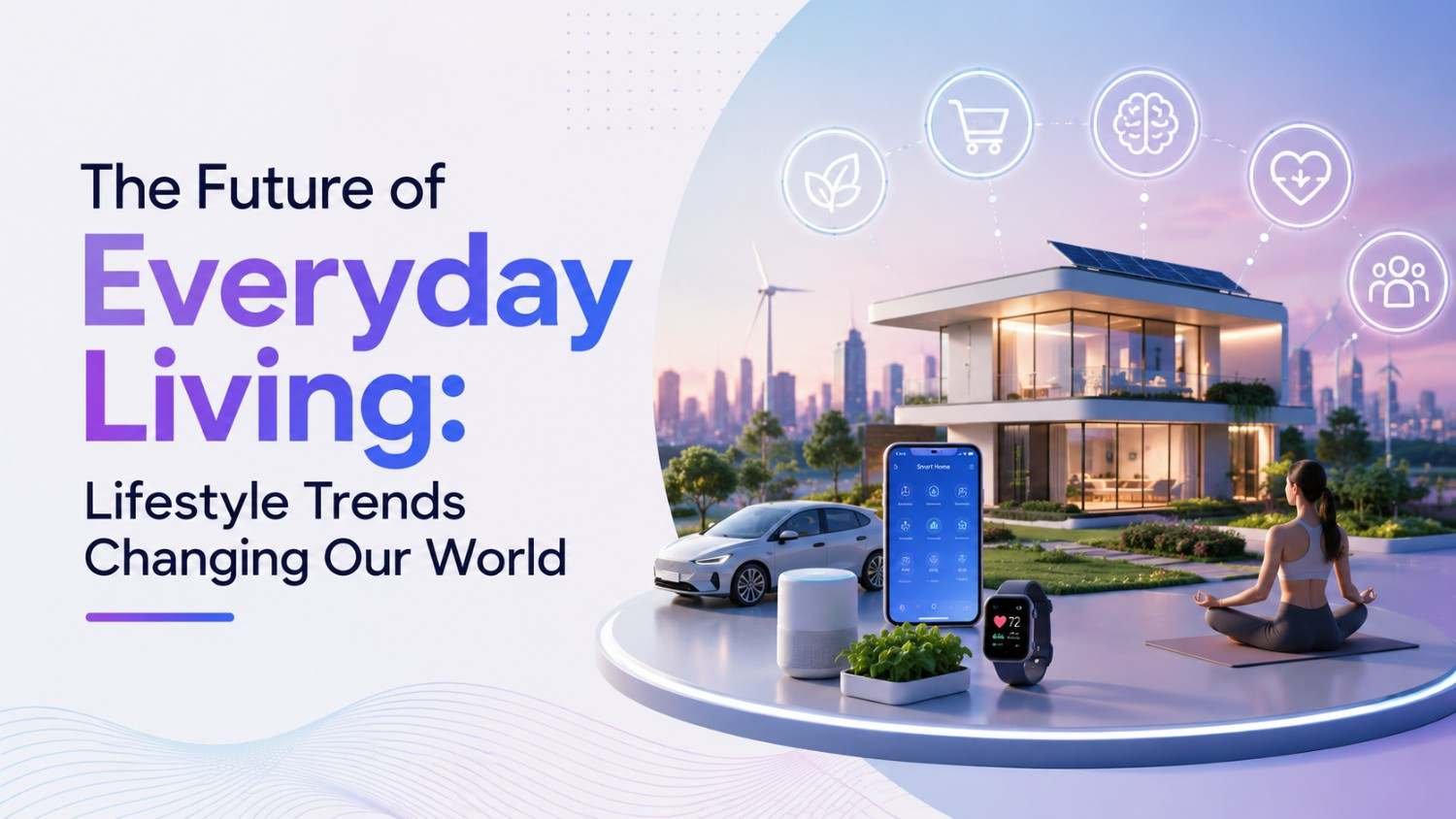
Life is changing faster than ever, like, suddenly. New technologies, shifting work cultures, a growing health awareness and evolving consumer expectations are transforming the way people live every day. What used to be seen as a luxury remote work, smart homes, wearable health devices, AI assistants or sustainable shopping is now getting folded into everyday life pretty quick. And yeah, while all these changes bring really exciting chances, they also make it hard to keep up with new habits, technologies, and those lifestyle decisions that pop up so often. A lot of people ask, sort of quietly, which trends will fade out and which ones will actually shape the future
The good news though is that many of today’s emerging lifestyle trends are leaning toward healthier, smarter, and more balanced living. Instead of just chasing convenience, people are putting more emphasis on wellness, richer experiences, financial stability, environmental responsibility, and digital well-being. Businesses are adjusting right along with these preferences, and technology keeps making daily life feel more personalized and efficient. In this guide, we’ll go through the lifestyle trends that are likely to matter the most—and how they are transforming the way we live, work, travel, learn, shop and care for ourselves in the years ahead.
Why Lifestyle Trends Matter
Lifestyle trends are not just quick, pass-by fads. They kind of show how priorities are changing, how technology is advancing, and how people buying stuff behave differently over time. When you really track these shifts, individuals can make better, more informed choices, plus businesses can build products and services that genuinely improve people’s lives , not only look fancy for a week. So instead of chasing every shiny thing as it shows up, it’s smarter to notice which trends are actually creating long term value. Most of the trends tied to health, sustainability, technology, flexibility, and meaningful experiences are likely to stay influential for years.
AI is turning into an everyday life assistant
Artificial intelligence is no longer only something big technology firms deal with. AI tools now help individuals arrange schedules, condense information, draft content, handle money basics, practice new skills, and automate repetitive chores. It’s not really about replacing human judgment, instead, AI is increasingly acting as support for productivity. By cutting down on routine labor, people can spend more time on creativity, and on sharper problem-solving.
How AI Helps Daily Life
- Personal assistants
- Smart scheduling
- Writing support
- Language translation
- Budget planning
- Learning assistance
AI is becoming one of the most practical lifestyle technologies available today.
Wellness Is Becoming a Daily Priority
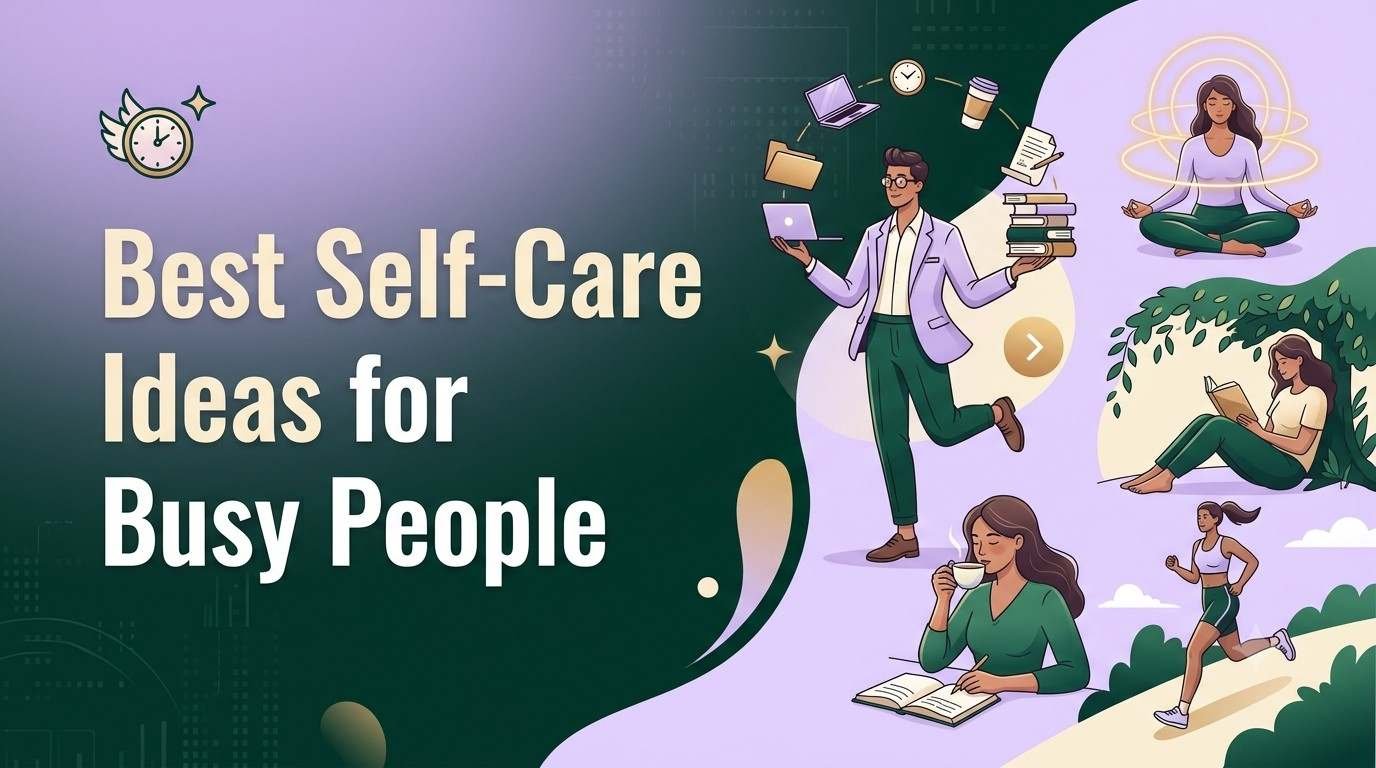
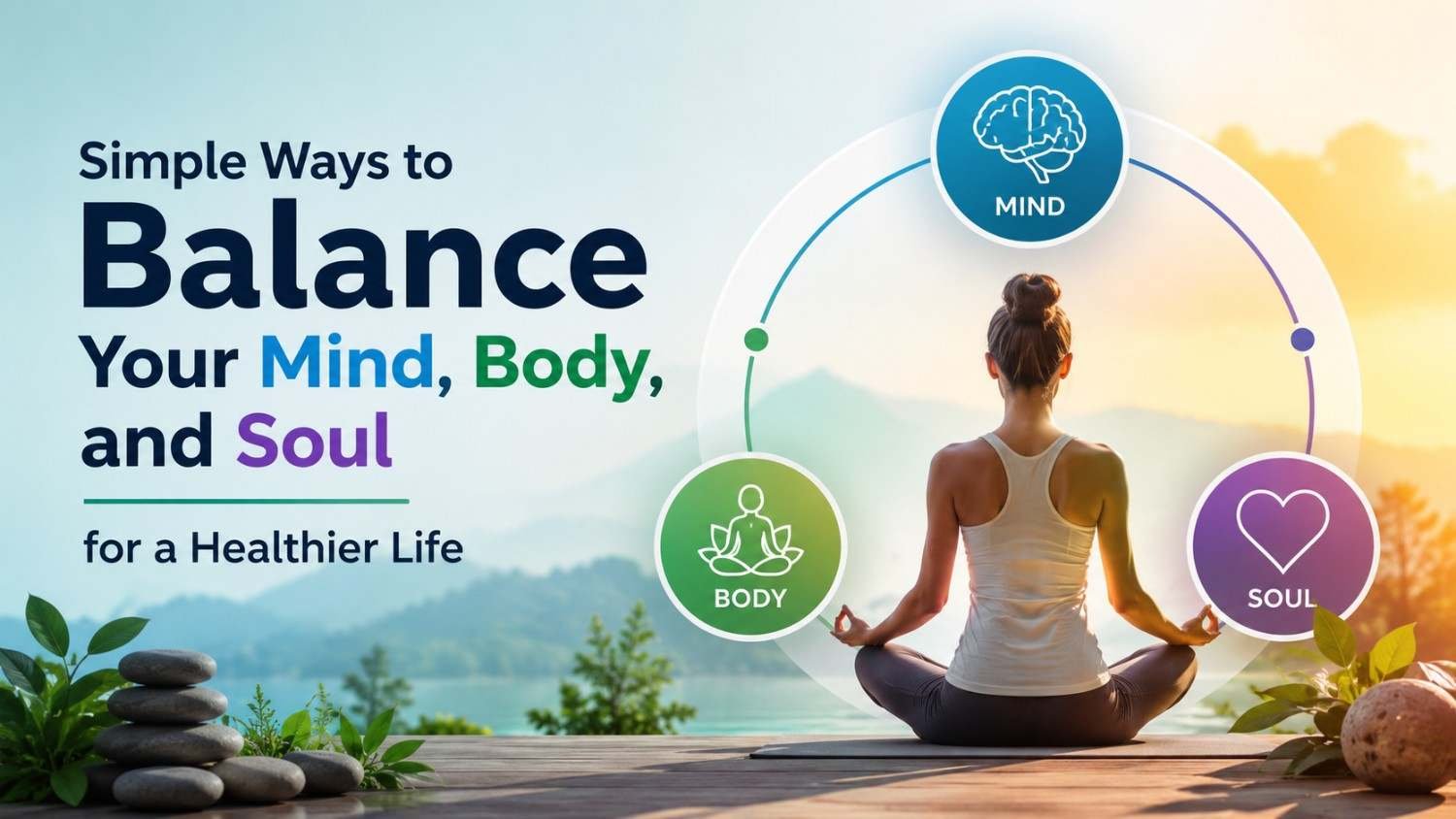
People are shifting from treating illness, to actively keeping good health, like in a more everyday way. Preventive wellness, better nutrition, quality sleep, stress management and regular exercise are slowly becoming the main pieces of modern life, even if it’s not always said out loud. Health is being seen as an investment rather than a “fix-it later” reaction to problems. Wearable devices, health apps and personalized wellness plans make it easier to watch progress, and to build healthier habits over time, step by step.
Popular Wellness Habits
- Walking daily
- Strength training
- Better sleep routines
- Meditation
- Balanced nutrition
- Hydration tracking
Small daily improvements often produce lasting results.
Digital Wellness Is Gaining Importance
As screen time keeps going up, people seem to get a little more intentional about how they live with technology, sort of. Lately many are realizing that the nonstop notifications, endless scrolling, and that constant information overload can mess with productivity, and also with mental health. Digital wellness pushes for healthier technology habits, not really a full refusal of modern devices. So people are trying screen-free routines, cutting down on social media use and making time for digital pauses in a planned way, sometimes.
Healthy Digital Habits
- Notification management
- Phone-free mornings
- Screen-free meals
- Digital detox weekends
- Focus modes
- Mindful technology use
Balance is becoming more valuable than constant connectivity.
Flexible Work Is Here to Stay
The traditional office model keeps evolving , because companies are really leaning into hybrid and remote work arrangements now. Employees seem to want flexibility more and more, while employers notice that performance often comes down to results rather than where someone sits or how far they travel. Flexible work then supports an improved work-life balance too, since there is less commuting time and people can shape their day with schedules that fit their personal obligations, kinda better overall.
Benefits of Flexible Work
- Better work-life balance
- Increased productivity
- Lower commuting costs
- Improved employee satisfaction
- Greater hiring opportunities
Organizations that embrace flexibility often attract and retain top talent.
Smart Homes Are Becoming Smarter
Modern homes are getting more and more fitted with intelligent gadgets , that sort of improves everyday convenience , comfort too, security and energy efficiency. You know, voice assistants, smart lighting, automated climate management, and connected appliances make routine tasks feel simpler. Then as tech keeps getting cheaper and more accessible, these smart home solutions are drifting away from “luxury” and turning into mainstream household must haves.
Common Smart Home Features
- Smart lighting
- Video doorbells
- Voice assistants
- Automated thermostats
- Smart security systems
- Energy monitoring
Technology is helping homes become safer and more efficient.
Sustainability Influences Everyday Decisions
People are paying more careful attention to how products get made, how they’re packed up, and even how they’re delivered, lately. At the same time, environmental awareness is pushing companies to cut down on waste, while also giving out more sustainable options. More and more folks now decide on reusable products, energy-efficient home appliances, eco-friendly ways of traveling, and goods that are locally produced, as a kind of everyday routine.
Sustainable Choices
- Reusable shopping bags
- Energy-efficient appliances
- Electric transportation
- Minimal packaging
- Local products
- Recycling habits
Small individual actions collectively create meaningful environmental impact.
Lifelong Learning Is Becoming Essential
Rapid technological shifts, continuous learning is basically not optional anymore for a lot of professionals, and it can feel kinda constant. People use online courses , educational videos, podcasts, and even digital certifications to build new skills across their working years. In a way learning has become more accessible than it used to be, so individuals can adjust to evolving industries and fresh career openings.
Popular Learning Methods
- Online courses
- Podcasts
- Audiobooks
- Professional certifications
- Educational newsletters
- AI learning tools
Curiosity is becoming one of the most valuable career skills.
Financial Wellness Is Receiving More Attention
People are putting more emphasis on budgeting, saving, investing and overall financial planning, it’s like everyone is trying to get their bearings. With economic uncertainty still around, individuals are more inclined to build emergency funds while at the same time making better financial choices. Technology also kinda helps personal finance feel more accessible, since budgeting apps automate investing and provide educational resources for financial know how.
Financial Wellness Habits
- Monthly budgeting
- Emergency savings
- Investing regularly
- Tracking expenses
- Reducing unnecessary spending
- Financial education
Long-term stability begins with consistent financial habits.
Personalized Experiences Are Becoming the Standard
People today seem to expect products, services, and even recommendations to be fitted, or at least tuned a bit, to their preferences. Artificial intelligence along with data analytics can let businesses craft more personal shopping moments, better entertainment suggestions, health guidance, and educational material too. When personalization lands well, it makes daily life easier ,and it can also help people find products and services that feel more aligned with what they actually need.
Experiences Are Replacing Material Possessions
A growing number of consumers now put memorable experiences ahead of just collecting physical stuff. Think about traveling , wellness escapes, chances to learn, time outdoors, and family get-togethers. These things often bring longer lasting satisfaction than buying yet another item. And really, the change shows a rising interest in meaningful living, plus emotional wellness, not endless buying for the sake of consuming.
Popular Experience Trends
- Adventure travel
- Wellness retreats
- Local experiences
- Cultural events
- Outdoor recreation
- Skill-building workshops
Experiences often create lasting memories that material purchases cannot.
Community Connections Are Growing Again
Even with more digital communication going around, lots of people seem to look for stronger local communities and more authentic, human relationships. Community events volunteering, local businesses, and general neighborhood stuff are starting to matter more and more, you know. When we build better social ties it often links to better mental health, and it also helps the whole place feel more steady, especially when times get difficult.
Ways People Connect
- Volunteer programs
- Community events
- Local markets
- Fitness groups
- Book clubs
- Neighborhood projects
Strong communities improve quality of life for everyone.
Health Technology Continues Expanding
Wearable devices now track sleep quality, heart rate, stress levels, activity, and general wellness . It kinda helps people keep an eye on their health while also pushing them toward better daily routines, even if it’s subtle. Later, newer breakthroughs are expected to give even more personal health signals, shifting prevention care forward instead of waiting for reactive treatment.
Mental Health Awareness keeps growing
Talks about mental health have become more open, and also more accepted in everyday life. Employers, schools, healthcare providers, and different communities are gradually recognizing how important emotional well being really is. Many people are putting therapy , mindfulness , and stress management near the top of their priorities, plus setting healthy boundaries, and keeping work-life balance in mind , not as a luxury.
Mental Wellness Practices
- Meditation
- Journaling
- Therapy
- Regular exercise
- Gratitude practice
- Healthy sleep
Mental health is increasingly viewed as equally important as physical health.
Technology Supports Smarter Shopping
People are using AI powered recommendations, price comparison tools, customer reviews, and more custom shopping situations to help them decide what to buy . Businesses that offer transparency, real authenticity, and solid customer experiences are more apt to build long term customer trust.
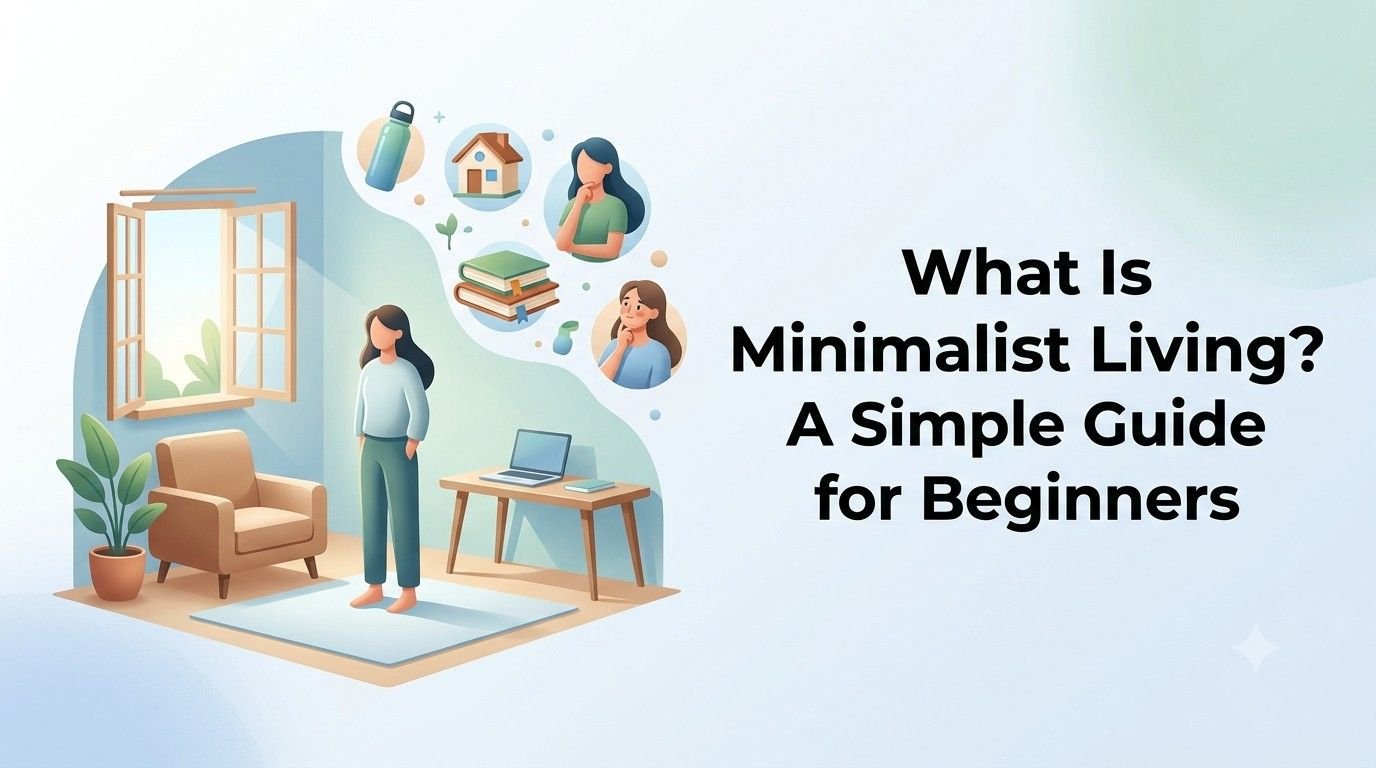
The rise of minimalist living
A lot of folks are paring down their homes, their daily rhythm, and even the way they purchase things. Minimalism kinda pushes intentional living by concentrating on quality not just quantity. When people remove the clutter from physical spaces, it can lead to less stress , better organization, and a stronger sense of value for the possessions that actually matter to them.
Minimalist Habits
- Decluttering regularly
- Buying intentionally
- Organizing living spaces
- Limiting impulse purchases
- Prioritizing quality
- Simplifying routines
Less clutter often creates more mental clarity.
Preparing for the Lifestyle of Tomorrow
The future of day to day living is going to mix up technology with human- centered values, and it will feel kinda familiar yet different. Artificial intelligence, sustainability, tailored healthcare, flexible work, and learning that never really ends will keep nudging daily routines forward. Instead of swapping out human connection, these tools should help enable more grounded habits, sturdier communities, and a lot more personal satisfaction. Still, it won’t be automatic—people who stay adaptable, curious, and deliberate will probably do best, because they can use what’s new while holding onto balance in an always-connected world.
Key Takeaways
- AI is becoming part of everyday routines.
- Wellness focuses on prevention rather than treatment.
- Digital wellness encourages healthier screen habits.
- Flexible work improves work-life balance.
- Smart homes increase convenience and efficiency.
- Sustainability influences purchasing decisions.
- Lifelong learning supports career growth.
- Financial wellness builds long-term stability.
- Experiences are becoming more valuable than possessions.
- Mental health remains a growing priority.
Conclusion
The future of everyday living is kind of being shaped by a mix of innovation, wellness, sustainability , and intentional decision-making (not really one thing, but a bunch). These Lifestyle Trends show a growing want for healthier routines, smarter tech, solid communities, and also more meaningful moments. Sure, technology will keep changing how we work, learn and talk to each other, but the biggest direction is using all of that progress to upgrade overall quality of life. When people go for Smart Living, they should really put Digital Wellness first , invest in lifelong learning, and make conscious daily choices that feel almost simple but matter. In the end, adapting thoughtfully to these shifting trends can help people not just keep up with change… but thrive in the years ahead.
Frequently Asked Questions
1. What are the biggest lifestyle trends shaping the future?
Artificial intelligence, wellness, sustainability, flexible work, smart homes, personalized experiences, and digital wellness are among the most influential long-term lifestyle trends.
2. Why is digital wellness becoming important?
As technology use increases, Digital Wellness helps people reduce stress, improve focus, build healthier screen habits, and maintain better work-life balance.
3. How are smart homes changing everyday life?
Smart homes improve convenience, energy efficiency, security, and comfort by automating many daily household tasks through connected devices.
4. Why is lifelong learning important today?
Rapid technological advancements require people to continuously develop new skills to remain competitive, adaptable, and prepared for changing career opportunities.
5. How can I prepare for future lifestyle changes?
Focus on building healthy habits, embracing useful technology, managing finances wisely, prioritizing mental and physical wellness, and staying open to continuous learning and personal growth.