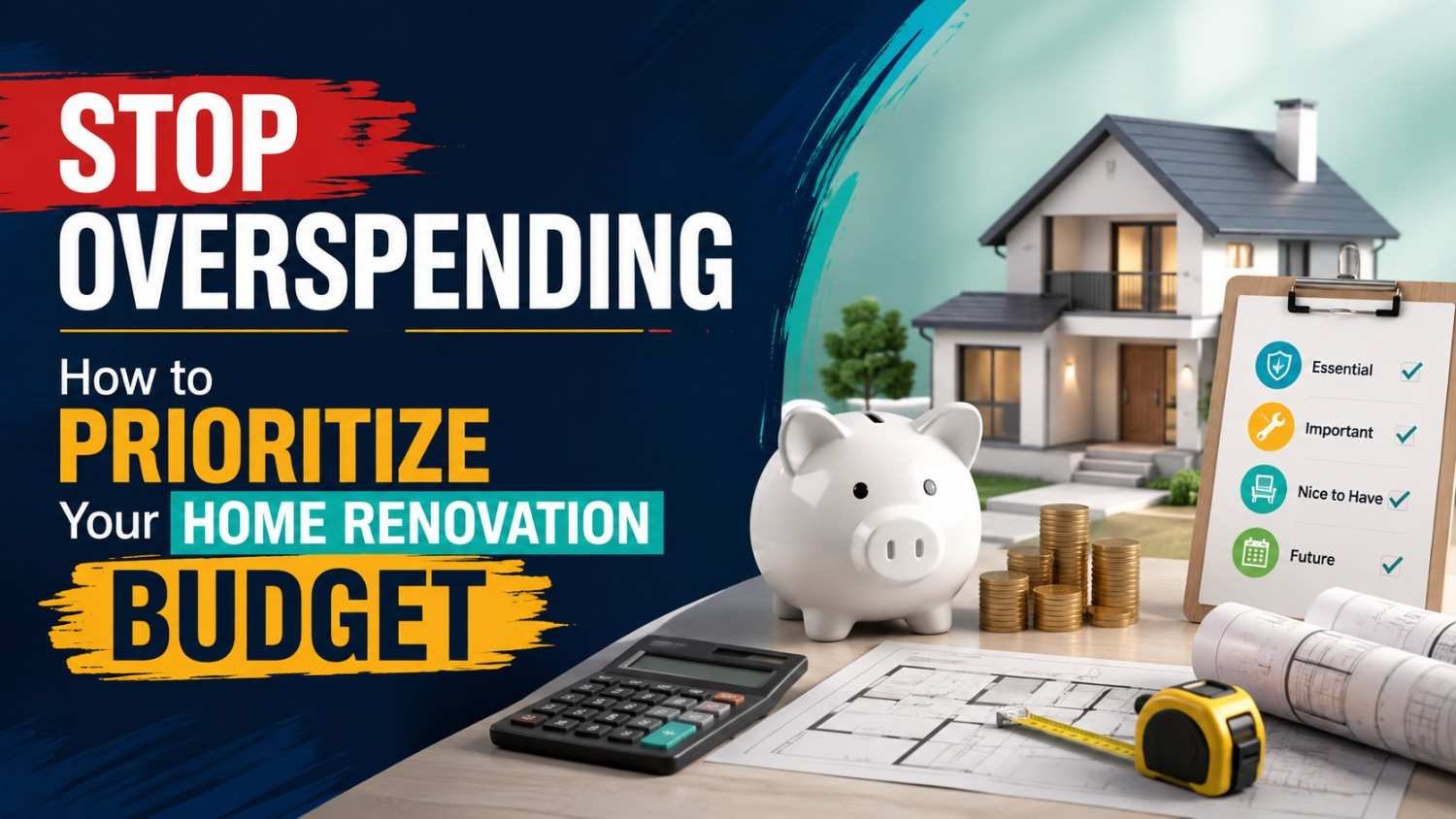
Planning a home renovation is kind of exciting, but it can also get stressful fast once the costs start stacking up. A lot of homeowners begin with a solid, realistic budget, then mid project it turns out these unexpected expenses have quietly pushed them past what they thought they could spend. And without a clear plan, it becomes pretty easy to overspend on things that sound great now, but really give little long-term payoff, while you accidentally pinch pennies in the spots that actually make a difference later.
The good part is, a successful renovation is not just about spending the most money, it’s more about spending with intent. When you know where to cut back and where to put your money, you can end up with a home that looks great and works better every day, without the constant money pressure. This guide walks through which renovation parts are worth a larger budget, and where cheaper options can still deliver surprisingly impressive outcomes.
Why Smart Budget Planning Matters
Every renovation project seems to have a limited budget, whether you’re sprucing up one room, or doing a full home update. If you make decisions that are actually informed, then each dollar goes toward comfort, endurance, and the kind of long term worth that really shows. It s kind of like balancing, detail and practicality at the same time, not just going with whatever looks nice.
Benefits of proper renovation budgeting include:
Helps you avoid that extra spending you really don’t need.
When your budget is well planned, you can decide what to tackle first instead of getting tempted by sudden buys. It also keeps everything cost-wise doable, from the beginning all the way through.
Boosts your return on investment.
If you invest more in high-impact upgrades like kitchens, bathrooms, and even structural improvements, you often see a better resale outcome for your home.
Lowers the renovation anxiety.
A clear money plan reduces the amount of surprises, so you can move forward with sure-footed choices during the whole renovation.
Areas Where You Should Splurge
1. Quality materials
Going with durable materials might feel a bit more expensive at first, but they tend to last a whole lot longer than the cheaper alternatives. High-grade flooring, countertops, and cabinetry handle everyday friction better and usually need fewer repairs over time. Basically, choosing robust materials can lower maintenance costs a nd keep your home looking more fresh for years.
2. Professional contractors
Bringing in experienced professionals is one of the smartest kinds of spending during any renovation. Competent contractors ensure the install is correct, they follow local building regulations, and they help you dodge the costly mistakes that pop up from weak workmanship. Plus, their know-how keeps the whole project moving on schedule and the final outcome ends up looking better, in general.
3. Kitchen renovation
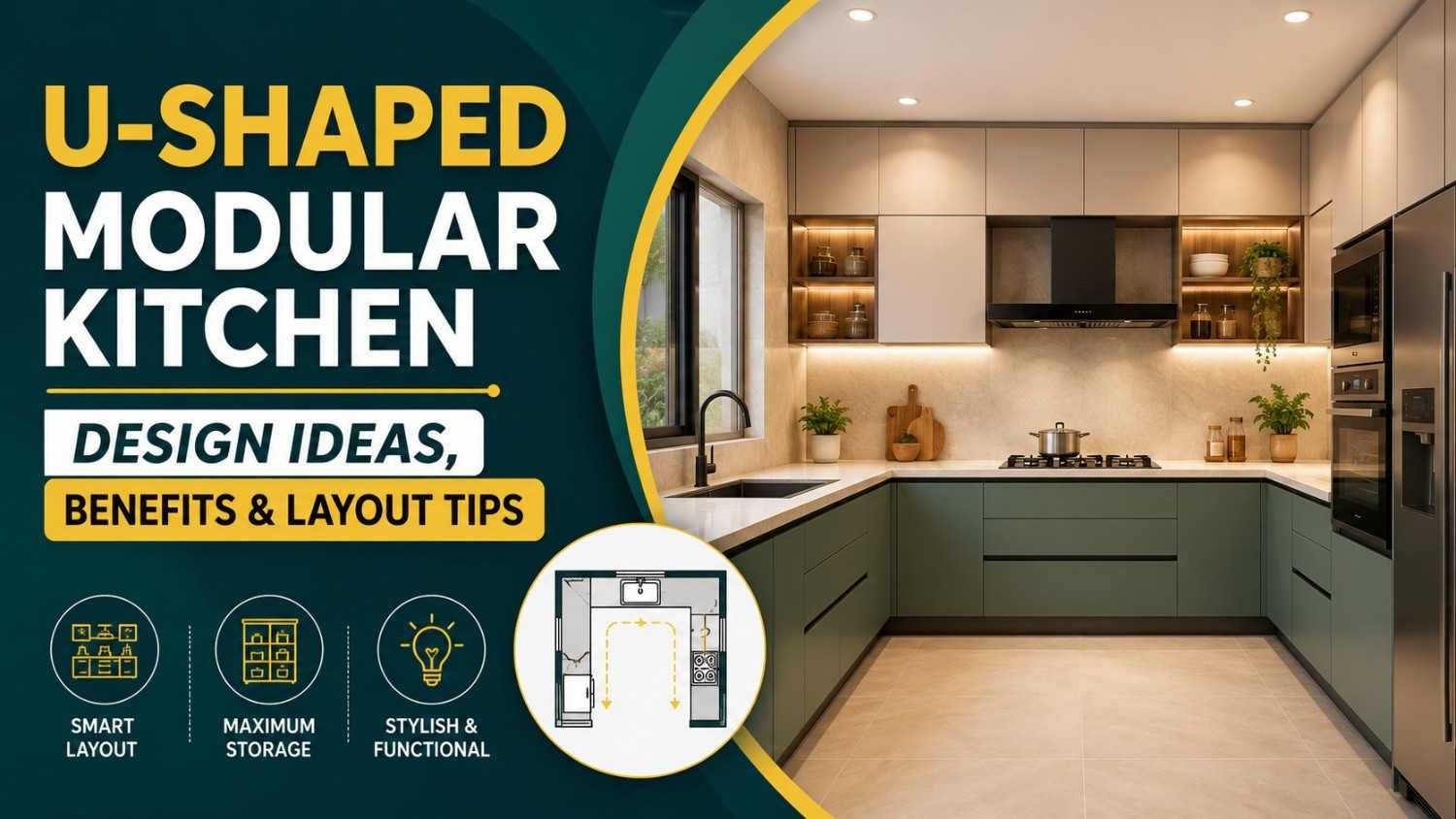
The kitchen is often treated like the heart of the home. Upgrading cabinets, countertops, appliances, and lighting boosts both day to day function and property value. Contemporary layouts with smart storage solutions make daily routines smoother while also being more attractive to people down the road.
4. Bathroom Waterproofing
A lot of homeowners try to cut costs by picking cheaper waterproofing solutions, but that usually turns into leaks, dampness problems, mildew, and then suddenly expensive fixes. If you put your money into good waterproofing materials , plus a pro who can install them properly you end up safeguarding your home for a long time. And it also helps you avoid bigger structural damage than you expect.
5. Energy-Efficient Upgrades
Energy-saving windows, insulation, LED lighting, and updated HVAC systems might cost more at first , but over time they lower your monthly utility payments. Besides that, these improvements make day-to-day indoor comfort better and, in general, they help your home feel more eco-aware.
6. Structural Repairs
Never mess around with structural parts like foundations, roofing, plumbing, or electrical systems. These things touch your home’s safety and its long term strength. Paying for proper repairs now is often cheaper than dealing with those much larger expenses later, when the problem has already spread or worsened.
Areas Where You Can Save
1. Decorative accessories
Home décor trends kind of shift all the time. Instead of putting too much money into decorations, go for affordable artwork, cushions, rugs, and little add-ons that you can swap out easily when your taste changes. That way you refresh your interiors without doing huge spending, which sounds better right.
2. Paint choices
You don’t always need premium paint brands for every single room. A lot of mid-range paints can still deliver strong durability and a clean finish, at a cheaper price. When you spend smart on paint, you can redirect more of the budget toward permanent upgrades.
3. Lighting fixtures
Designer lighting fixtures usually come with those higher, premium costs, but plenty of budget-friendly options bring a similar look and they still work well. Try to prioritize solid lighting design rather than expensive brands, this helps you end up with a polished appearance.
4. Open shelving
If you swap out those pricier upper cabinets for nice open shelves, it can cut the renovation budget quite a bit. The open setup also makes the room feel more roomy and airy, plus it gives you easy storage for the stuff you use all the time
5. Furniture
You do not always need to replace every single piece. Try refinishing them, or repainting furniture you already have. Using older items together with a few newly chosen pieces, kind of like a subtle mix, can make the space look refreshed without overspending.
6. DIY simple projects
Small things, like wall painting, shelf installation, assembling furniture, or even landscaping, you can usually handle on your own. When you tackle the simpler tasks, you can save on labor, and then let the pros focus on the more technical part.
Renovation Budget Comparison
| Renovation Area | Save or Splurge? | Reason |
| Structural Repairs | Splurge | Ensures long-term safety |
| Kitchen Cabinets | Splurge | High durability and resale value |
| Countertops | Splurge | Daily use requires quality |
| Flooring | Splurge | Long-lasting investment |
| Paint | Save | Affordable quality options available |
| Decorative Items | Save | Easy to replace later |
| Lighting Fixtures | Save | Stylish budget-friendly choices exist |
| Furniture | Save | Refurbishing reduces costs |
| Curtains & Accessories | Save | Trends change frequently |
| Landscaping Décor | Save | Can be upgraded gradually |
How to Prioritize Your Renovation Budget
1. Identify what you actually need first
Try to split the essential work from the pretty upgrades, because repairing the actual stuff, like plumbing or electrical ,and fixing structural concerns should come first. I mean a safe and working home gives you a solid base for whatever you want to do later, and honestly it just makes everything easier.
2. Set a budget that is realistic
Before you start, make a full renovation budget, not just a rough idea. Add labor, materials, permits, and even furniture, plus keep a contingency fund for surprise costs. When you plan money upfront it reduces stress, and it also helps prevent you from ending with an unfinished mess half way through.
3. Spend with long term value in mind
Put your money toward changes that boost property value and make daily life easier. Durable materials, careful craftsmanship, and energy efficiency usually deliver better results than extra luxury decorative features that look nice but don’t help much.
4. Get several quotes, not just one
Ask for estimates from multiple contractors before you decide. Look at the pricing, the services offered, and the experience they have. It helps you find the best overall value, instead of picking whoever is the lowest cost, which can be a trap.
5. Think ahead about future upgrades
Some improvements don’t have to happen right away. Start with the most important renovations, then move cosmetic updates to later on a schedule. Doing it in phases keeps your financial breathing room, and it gives you time to adjust if priorities change.
Common Renovation Budget Mistakes
Ignoring the hidden renovation costs.
Costs like permits, demolition, delivery charges, and waste removal can quietly, massively push your overall budget higher if you don’t plan for them early enough.
Choosing the cheapest contractor.
Those low prices often come with lower-quality craftsmanship, which might lead to costly fixes later. Always judge experience, references and reputation along with the price, not just one number.
Following every design trend.
Trendy looks can get stale fast. Going for timeless styles is usually the safer bet, it helps keep your place appealing for many years.
Forgetting the maintenance part.
A lot of luxury finishes come with regular upkeep. Think about long-term ownership costs before you commit to premium purchases, because that “small chore” adds up.
Spending too much on purely cosmetic upgrades.
Decorations can look great, but they cannot fix weak structure, or outdated systems. Put functionality first, then make it pretty after.
Expert Tips for a Cost-Effective Renovation
Create a detailed renovation checklist before purchasing materials.
Planning every stage minimizes impulse spending and keeps the project organized.
Purchase materials during seasonal sales.
Many suppliers offer discounts during holiday promotions, helping reduce material costs without sacrificing quality.
Reuse existing materials where possible.
Refinishing doors, cabinets, or hardwood flooring often costs much less than full replacements.
Focus on timeless designs.
Neutral colors and classic finishes remain stylish for longer, reducing the need for future renovations.
Maintain a contingency fund.
Reserve approximately 10–20% of your renovation budget for unexpected repairs or price increases.
Home Renovation Tips for Maximum Value
Successful renovations sort of balance quality and affordability. Spend confidently on the places that raise safety, increase durability, and make everyday life flow better, then cut some costs on decorative elements that are pretty simple to refresh later. A careful budget helps shape a home that feels inviting, stays comfortable, and also makes financial sense for years to arrive.
Conclusion
A renovation success is not really about the amount you pour in, it’s more about how wisely you invest. Put your focus on the home renovation plan, your renovation budget, cost-effective remodeling, kitchen renovation, and other home improvement choices that boost safety, improve how things work, and support long-term value. Skip the things that are easy to swap out, splurge on features that last for decades, and always keep your budget organized in your head. With smarter money moves, you can build a beautiful home that matches your lifestyle, while still staying within budget.
Frequently Asked Questions
1. What should I spend the most money on during a home renovation?
Focus on structural repairs, kitchens, bathrooms, flooring, and energy-efficient upgrades. These improvements offer the greatest durability, functionality, and long-term return on investment.
2. Where can I save money without affecting renovation quality?
You can save on paint, decorative accessories, furniture, lighting fixtures, and DIY-friendly tasks. These choices reduce costs while still creating an attractive living space.
3. Is hiring a professional contractor worth the cost?
Yes. Experienced contractors deliver better workmanship, follow building regulations, and help prevent costly mistakes that often arise from poor installation.
4. How much contingency budget should I keep for a renovation?
Experts generally recommend setting aside 10–20% of your total renovation budget to cover unexpected expenses, material price changes, or hidden repairs.
5. How can I increase my home’s value through renovation?
Invest in quality kitchens, modern bathrooms, durable flooring, improved insulation, and energy-efficient systems. These upgrades enhance everyday living while making your home more appealing to future buyers.