Travel is changing really quickly lately. That old picture, you know, taking a holiday, going to the famous landmarks, sleeping in a hotel, then coming back home, is being pushed aside by journeys that feel more tailored and focused on the whole experience. People are starting to ask themselves why they travel, what real value they get from the trip, and if the plan actually suits their lifestyle, money range, wellbeing, and personal interests.
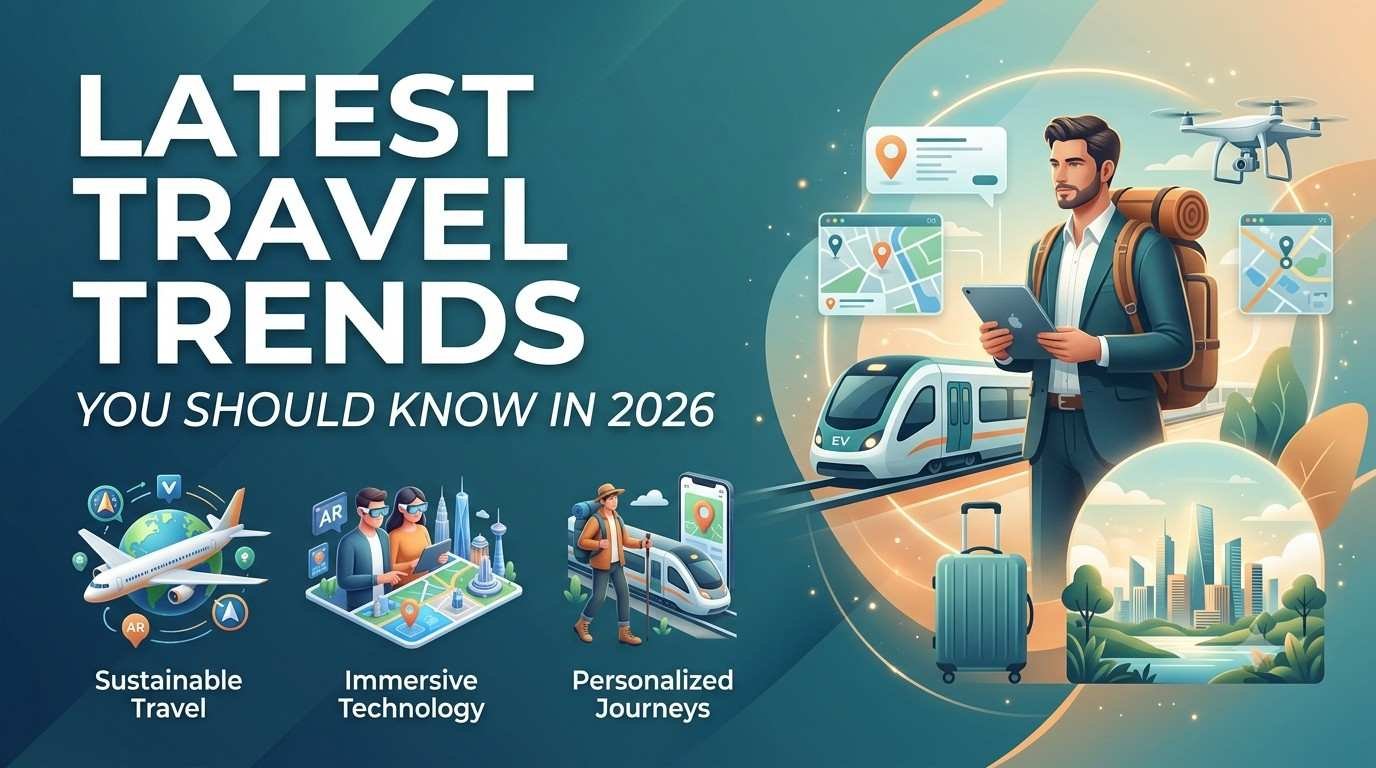
The biggest travel trends in 2026 are not only about new places. They also include AI assisted planning, solo adventures, wellness retreats, slow travel, tourism that’s more sustainable, rail journeys, deeper cultural experiences, and itineraries that are highly personalized. For travelers this means there are more options, but yes also more openings to shape a trip around what you actually like instead of just following the usual sightseeing pathways.
1. AI Is Becoming a Travel Planning Assistant
One of the biggest changes in travel planning trends is that more people are leaning into artificial intelligence, like, more than before. Travelers use AI to toss around destinations, compare options, stitch together an itinerary, look for restaurants, sort out activities, and deal with those complicated, little-by-little travel arrangements. Mastercard’s 2026 Travel Trendline said travelers are using AI more and more to fine tune trips, especially to cut costs and also to reduce the mental load of planning. In India, Agoda reported that 68% of the travelers they asked were likely to use AI for their next trip.
Like, for example, a traveler can tell an AI assistant to draft a seven day plan around a specific budget, preferred kind of food, walking limits, weather ideas, and personal interests. Still, AI should be treated more as a planning helper not an unquestionable travel authority. And current reporting points to worries, like inaccurate suggestions, so travelers really should double check things themselves. For instance, confirm hotels, attractions, opening times, transport schedules, visa requirements, and other key details, independently, so nothing gets weird at the last minute.
2. Solo Travel Is Becoming More Mainstream
Solo travel now isn’t only a thing for backpackers, or for the younger crowd. Search interest in solo travel hit record levels in the U.S. during 2026, and it seems to show a steady climb in demand for independence, adaptability, and that easy feeling of freedom ,where you can make decisions without having to coordinate with a group.
For a lot of travelers, going solo means you set your own routine , you can shift plans on the fly and you often end up spending more time chasing what actually interests you. That is especially appealing for people with limited vacation time, and who do not want to delay a trip just because a friend or a family member , isn’t available.
3. Slow Travel Is Replacing Checklist Tourism
Instead of zipping through five cities in just seven days, some travelers are deciding to stay put a bit longer, and sort of get to know one place more deeply. This slow travel movement tends to center on local food , the nearby streets and neighborhoods, culture , nature, real conversations, and the little everyday routines, rather than rushing around just to collect photos of famous sights.
A longer pace can also ease some of the stress that comes with constantly swapping hotels and transport. In practice, travelers might linger for several days in one town, take a scenic train instead of a quick short flight, or even rent a home in a community area, rather than choosing a room only near the big tourist highlights.
4. Wellness Travel Is Becoming More Personal
Wellness travel keeps growing beyond the usual spa getaways. More travelers are now leaning into trips planned around sleep quality , fitness, healthy eating, mindfulness, outdoor time, recovery, and that broader idea of overall well-being. Industry research still points to wellness as one of the key forces influencing premium travel demand in 2026.
A modern wellness trip might look like hiking, yoga, meals that are focused on nutrition, meditation, thermal baths, fitness programs, or honestly just having a little space away from a demanding digital routine. One newer example is the rise of “glowcations” where people blend beauty treatments , skincare, wellness, technology, and healthier habits into a single, dedicated holiday.
5. Travelers Are Looking for Meaningful Experiences
A big experience driven travel trend is starting to nudge attention away from “just seeing” somewhere , and more toward actually doing things there. So instead of going to a city only for its famous landmarks, travelers might book a cooking lesson, a music night, a craft session, join cultural festivals, take a hiking experience, or even get involved with small local community activities.
It makes the trip feel more unforgettable because the traveler comes back with a story. Not only a pile of photos. In India, Allianz Partners said that 75% of the people they asked planned to attend concerts, festivals, or performing arts events during trips in 2026.
6. Pop Culture Is Nudging Destination Choices
Movies, TV shows, novels, music, sports, and online creators can all shift where people want to go. You’ll sometimes hear this described as pop culture tourism or literary tourism. Travelers may visit places tied to their favorite films, wander through districts linked to particular authors, show up at concerts overseas, or build the whole itinerary around big sporting moments.
What draws them is just as emotional as it is geographic. They’re not merely “stopping at a point on a map” , they’re walking into a narrative or a cultural experience that already matters to them in some way.
7. Rail Travel Is Getting More Attention
Train travel is becoming more appealing to travelers who want scenic views, a slower rhythm, and possibly a lower-impact option compared with flying. Industry trend notes have pointed to a renewed interest in rail journeys and alternative transportation styles during 2026.
Also, the train can become part of the holiday itself. Rather than treating transit like time wasted between places, travelers can enjoy the landscapes, local stops, comfortable seating, and that calmer pace. It’s especially attractive on scenic routes where the trip, like the route itself, counts as part of the experience.
8. Sustainable Travel Is Becoming Regenerative
Sustainable tourism is kind of moving beyond just telling travelers to cut down on plastic use or reuse hotel towels, i mean, that’s still important but it’s not the whole picture. The discussion is getting more toward regenerative travel, where tourism is supposed to help destinations and local communities in a real way, not only “less bad”.
So it can mean supporting locally owned businesses, picking accommodation that’s truly responsible, protecting natural environments, joining conservation projects, and spending in communities in general, rather than only with huge international chains. Industry reporting for 2026 shows a wider swing from merely reducing environmental harm, toward figuring out how tourism can actively strengthen places.
9. Travelers Are Choosing Less Crowded Destinations
Overtourism is becoming a big worry in a lot of the classic places. because of that, travelers are gradually stepping away from the biggest, most famous tourist spots for quieter towns, secondary cities, rural areas, and smaller attractions that most people overlook.
This off-season approach can bring some plain benefits, like fewer crowds, maybe better accommodation prices, and a calmer overall feel. Still, travelers should do their homework—check infrastructure, transport options, the weather, and local conditions before picking a less developed destination.
10. Hyper-Personalized Travel Is Growing
Travelers increasingly want the trip to match their own preferences, like specifically. A “standard” plan might suggest the same ten attractions to everyone. A personalized itinerary on the other hand can factor in whether someone’s into architecture, vegetarian cuisine, hiking, photography, nightlife, museums, shopping, or even quiet cafés.
Amadeus points to hyper-personalized stays and travel experiences as one of the important 2026 trends. trend. This means future travel planning will increasingly revolve around the individual rather than the destination alone.
11. Pet-Friendly Travel Is Expanding
Pets are, kind of, becoming a big deal when people plan vacations. Lately the whole idea of pet-friendly travel is rising, like not just in hotels but also in transportation choices, restaurants,and even destinations that are made for travelers who bring animals along with them.
Rather than leaving pets at home, some travelers are hunting for lodging where their pets can be relaxed and… honestly, settled in. This tendency shows up a lot for road trips and extended domestic vacations, mostly because people have more control over how they get around
12. Trips With Multiple Generations Are Getting More Common
More families are trying to travel as a group across different generations. Grandparents, parents, kids, and sometimes other relatives may decide on places that provide distinct activities for separate age groups.
But a good multigenerational getaway is more than a place that is “family-friendly”. It has to have wiggle room, comfortable transport, assorted activities, and enough personal space. The plan is to actually spend real time together, without everybody needing to keep the exact same timetable, and you know, act like one unit
13. Quiet Vacations Are Showing Up Everywhere
Not everyone is chasing an action-packed holiday. Quiet vacations are getting attention from people who want to disconnect from constant pings, noisy crowds, and strict routines.
A quiet journey could mean a countryside stay, a small coastal town, a nature retreat, or a few days where the agenda isn’t packed end to end. This movement also links up with wellness travel because many travelers now see a vacation as recovery time, not just a chance to collect more experiences.
14. Travel Is Becoming More Flexible
Travelers are starting to feel a lot more at ease with flexible itineraries , instead of locking in every single hour well before departure . You might see people booking accommodations for several nights , yet intentionally leaving a couple of days sort of… unclaimed, so they can chase spontaneous activities without that same “must-do” vibe.
This flexible kind of travel is especially handy when conditions change , like the weather turning, local recommendations steering things differently, or just an unexpected discovery pulling you off course. It also helps lower that nagging pressure to tick off a long list of attractions , mainly because they showed up on a spreadsheet months earlier.
15. Budget conscious travel is getting smarter
People still want memorable experiences, but many are being far more strategic about what they spend. Instead of picking a destination first , then working out the cost afterward , some travelers quietly compare exchange rates, airfare , accommodation pricing , and even seasonal expenses before deciding where to go . Mastercards 2026 research suggests that saving money is a big reason travelers are leaning on AI for travel help.
That shift can turn into budget planning based on total value , not only choosing the lowest price in the beginning. For instance, a hotel that costs a bit more yet sits near public transit may end up being cheaper overall than a “budget” place that forces expensive daily taxi rides.
16. Business trips are becoming longer
The line between business and leisure travel keeps getting kinda thin. Some travelers are stretching work trips by adding personal vacation days , either before or after the meetings actually happen.
This style, often called “bleisure travel,” lets people experience destinations they might otherwise only see through a work schedule. For companies and employees, it can make international business trips feel more personally satisfying , while also cutting down on the need for a separate leisure trip later.
17. Luxury Travel Is Moving Toward Well-Being
Luxury travel is changing, for real. Instead of leaning only on big suites, shiny expensive cars, and those very traditional “look at me” displays, more and more travelers seem to choose privacy , wellness, authentic meals , nature, and experiences that actually matter.
A new travel trend report also points to a rise in “Blue Zone” inspired trips. The idea is basically travelers mixing healthy food, outdoor movement, local community life, and a slower rhythm with premium travel too. It kind of shows a broader shift, like what people now treat as valuable isn’t just about status, but about something quieter, and maybe more functional.
18. Social Media Still Influences Travel—But Differently
Social media keeps being a big spark for destination ideas , but travelers are starting to want things that feel personal, not the kind that looks extremely arranged. Creators and brands are also leaning away from massive promotional getaways. They are favoring smaller, more grounded travel experiences instead, the kind where you can sense the real story behind it. Vogue’s coverage of influencer travel in 2026 notes this shift toward close knit moments, sincere storytelling, and relationships that last longer than a single post. For travelers, that means social media can help as a starting point, but it should not be the only thing guiding their travel planning.
19. Travel Safety and Flexibility Matter More
Today’s travelers pay more attention to travel insurance, border restrictions, geopolitical tension, weather hazards , and cancellation rules. This becomes extra relevant when extreme weather and political instability start shaping where people feel comfortable going.
In Allianz’s 2026 research , Indian travelers were found to be thinking about these factors more often when picking destinations. Many are also planning to rely on travel insurance. A destination can be stunning, sure, but it becomes less appealing if getting there creates avoidable safety concerns or logistical headaches.
20. The Best Travel Trend Is Personalization
The biggest theme connecting a lot of the latest travel trends is personalization. Travelers seem to be moving away from that one size fits all style vacation and, they are designing the whole trip around their own interests, values, health, budget, relationships, and yes, even the timing of their own schedules.
AI can really help with planning, and also sort of simplify the headache part. Rail can turn the journey into part of the experience, not just a boring transfer. Wellness can shape the whole intention behind a trip, like why you went in the first place. Sustainable choices can influence where you sleep, and what you actually do once you arrive. So the modern traveler is more often asking not only, “Where should I go?” but also “What kind of experience am I actually looking for?”
How to Use These Travel Trends in Your Next Trip
You don’t need to follow every trend. Start with figuring out what kind of experience you want first. If you feel worn out, think about a quieter getaway or something more wellness focused. If you want independence, try solo travel. If you crave cultural depth, go with slow travel. If your planning time is limited, use AI for ideas while still double checking the important details. And if sustainability matters to you, look for local businesses and choose lower impact transportation options. The most effective personalized travel plan is not always the one packed with the most activities. It’s the one that lines up with what you care about most.
Conclusion
The latest travel trends for 2026 kind of show that modern tourism is getting more personal , flexible, more about experiences, and it’s also being helped by technology which is kind of everywhere. AI is changing how people find ideas, and how they arrange their trips, like not just “booking” but actually shaping the route and the pace. And meanwhile solo travel, slow tourism, wellness escapes, rail journeys, sustainable travel, cultural experiences, and even quieter destinations are shifting what travelers really want from a holiday. At the same time folks are starting to care more about budgets, safety, environmental impact, and authenticity, not in a performative way but in a very practical sense. So the most useful trend to follow isn’t really one specific place or whatever the social-media craze is this week it’s more the bigger move toward tailoring travel around individual needs. Whether your next trip is a solo adventure , a family holiday, a wellness retreat, a rail journey, or a carefully planned budget escape, the point should be to build an experience that feels meaningful, not just one more thing where you tick boxes and move on.
Frequently Asked Questions
1. What are the biggest travel trends in 2026?
Major trends include AI travel planning, solo travel, slow tourism, wellness trips, sustainable travel, rail journeys, personalized itineraries, and experience-led vacations.
2. Is AI useful for planning a vacation?
Yes. AI can help with destination research, itinerary ideas, budgeting, and recommendations, but important information should be independently verified because AI can produce inaccurate travel details.
3. Why is solo travel becoming more popular?
Solo travel gives people greater freedom over their schedules and destinations. Search interest has reached record levels in 2026, showing that independent travel is becoming more mainstream.
4. What is slow travel?
Slow travel means spending more time in fewer destinations and focusing on local culture, food, communities, nature, and everyday experiences instead of rushing between attractions.
5. Is sustainable travel still a major trend?
Yes. The focus is increasingly moving from simply reducing tourism’s environmental impact toward regenerative travel that can support local communities and ecosystems.