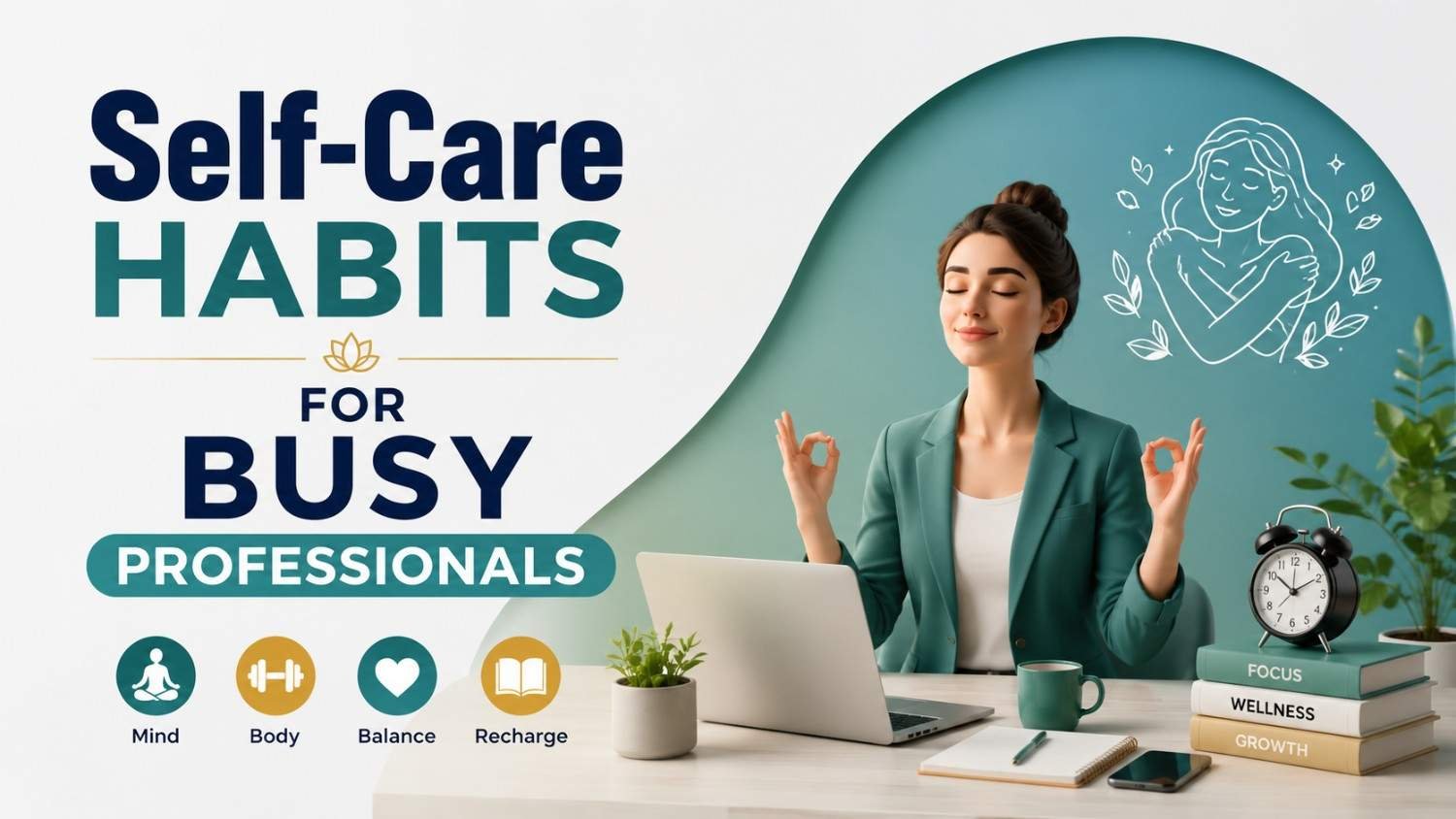
Modern professionals kind of juggle a lot, demanding workloads, tight deadlines, endless meetings, and personal responsibilities all at once, so there’s barely any breathing room to actually focus on their own well-being. A lot of people think that working longer hours automatically equals more success, but when you keep ignoring physical and mental health, it usually turns into stress, burnout, lower productivity, and a worse work life balance. Over time, unhealthy routines start piling up, things like skipping meals, getting too little sleep, sitting for long stretches, and staying connected to work around the clock. That mix can quietly hurt both your performance at work and your personal happiness. Sure, career growth matters, but long term success becomes really hard when you don’t take care of yourself first.
The good part is self-care doesn’t have to mean expensive wellness programs or some huge dramatic lifestyle shift. Small, steady habits you can practice every day can make a noticeable difference in energy levels, focus, emotional stability, and overall health. Whether you’re in an office, running a business, freelancing, or working remotely, building healthier routines helps you do better work while also having a more balanced life. In this guide, we’ll go through the most effective Self-Care habits for busy professionals, explain why each one matters, and offer practical ways to tuck them into even the most packed calendars. And throughout the article, you’ll also see SEO keywords worked in naturally, like Self-Care, Work-Life Balance, Mental Health, Stress Management, Healthy Habits, Productivity Tips, Wellness Routine, Professional Development, Healthy Lifestyle, Mindfulness, Daily Routine, Physical Health, Time Management, Employee Wellbeing, and Personal Growth.
Why Self-Care Is Essential for Professionals
Self-care isn’t really about dodging responsibilities, or running off on vacation every now and then. More so it is about those deliberate little choices that keep your physical state, your emotional tone, and your mental well-being in good shape, so you can keep operating at your best, even when life gets loud.
People who stick with self-care in a steady way tend to notice better focus, sharper judgment, smoother rapport with others, and then that longer-term productivity that just keeps building.
Benefits of Self-Care
- Reduces stress levels.
- Improves concentration.
- Increases daily energy.
- Supports better physical health.
- Prevents burnout.
- Enhances overall quality of life.
Making time for yourself is an investment in both your career and personal well-being.
1. Make Quality Sleep a Priority Every Night
Sleep is really important for our health.. A lot of professionals do not get enough sleep because they are busy with work. They stay up late to finish work answer emails. Get things done. This is not good because when we do not get sleep it is hard to focus make good decisions and we feel stressed the next day. Adults should try to sleep for seven to nine hours every night. We can sleep better if we have a bedtime routine do not use screens before bed and make our bedroom a comfortable place to sleep.
Benefits of Quality Sleep
- It helps us focus and remember things.
- It gives us energy.
- It helps us feel better emotionally.
- It helps us do our jobs better.
2. Start Your Day with a Healthy Morning Routine
How we start our day can affect how the rest of our day goes. Of checking emails or social media as soon as we wake up we should take a few minutes to do things that help our mind and body get ready for the day.
A good morning routine can include stretching, exercising, meditating, reading writing in a journal or eating a breakfast.
Healthy Morning Habits
- Wake up at the time every day.
- Drink a glass of water.
- Stretch our muscles.
- Eat a breakfast.
- Plan out our day.
When we start our day in an thoughtful way we can be more productive.
3. Take Breaks to Move Around
A lot of professionals sit at their desks for hours, which can cause back pain, poor posture and low energy.
We should get up stretch or take a walk every hour to improve blood flow and reduce fatigue. Even a short break can help us feel more alert and focused.
Benefits of Taking Breaks
- It reduces muscle stiffness.
- It helps us stand up straight.
- It improves blood flow.
- It gives us energy.
Taking breaks can make a big difference in how we feel during a long day of work.
4. Practice Mindfulness to Reduce Stress
Professionals often feel overwhelmed with work and life. Mindfulness can help us stay present manage stress and feel more emotionally strong.
We can practice mindfulness by doing breathing exercises meditating or taking a few minutes to be quiet and still.
Mindfulness Practices
- Deep breathing exercises.
- Short meditation sessions.
- Writing in a gratitude journal.
- Quiet reflection.
- Mindful walking.
- Practicing mindfulness regularly can help us feel more calm and focused.
5. Eat Healthy Meals Throughout the Day
Professionals often have schedules and may skip meals or eat unhealthy food. This can cause energy and reduced focus.
Eating meals with protein, whole grains, fruits, vegetables and healthy fats can give us steady energy and support our overall health.
Healthy Eating Habits
- Do not skip breakfast.
- Stay hydrated.
- Choose snacks.
- Limit drinks.
- Prepare meals in advance.
- Eating well can help us perform better at work.
6. Set Boundaries Between Work and Personal Life
One of the challenges professionals face is work creeping into their personal life.
Setting boundaries between work and personal life can help us recover from work and reduce long-term stress.
Boundary Strategies
- Do not check work emails late at night.
- Finish work at a time.
- Schedule time.
- Take vacations.
- Learn to say no when necessary.
- Setting boundaries can improve our productivity and personal relationships.
7. Exercise Regularly
Exercise is good for our mental health. It can help us feel better have energy and reduce stress.
We do not need to do workouts. Activities like walking, cycling, yoga, swimming or strength training can all contribute to health.
Benefits of Exercise
- It improves our fitness.
- It reduces stress.
- It helps us manage our weight.
- It gives us energy.
- What matters most is being consistent with exercise.
8. Manage Your Time
Poor time management can cause unnecessary stress. Planning our schedule can help us focus on tasks and reduce last-minute pressure.
Breaking down projects into smaller tasks can make our workload feel more manageable.
Time Management Tips
- Make daily to-do lists.
- Prioritize tasks.
- Avoid multitasking.
- Schedule focused work sessions.
- Review progress regularly.
Organizing our schedule can improve our productivity and peace of mind.
9. Stay Connected with Friends and Family
Strong personal relationships are important for our health.
Spending quality time with loved ones can give us encouragement. Help reduce feelings of stress or loneliness.
- Benefits of Relationships
- Better emotional support.
- Reduced loneliness.
- Stronger relationships.
- Improved happiness.
- Maintaining connections is important for our well-being.
10. Limit Digital Overload
Constant notifications, emails and social media updates can be overwhelming. Reduce our focus.
Taking digital breaks can help our brain rest and improve our focus and reduce stress.
Healthy Digital Habits
- Turn off notifications.
- Limit social media usage.
- Take screen- breaks.
- Avoid devices before bedtime.
Reducing distractions can improve our mental clarity.
11. Continue Learning and Growing
Personal development is important for career satisfaction and confidence. Reading books, attending workshops, learning skills or taking online courses can keep us motivated and support our career growth.
Benefits of Continuous Learning
- It improves our confidence.
- It expands our knowledge.
- It encourages creativity.
- It supports career advancement.
- Continuous learning is a form of self-care.
12. Practice Gratitude Every Day
Gratitude can help us shift our focus from stress to experiences. Taking a moments each day to appreciate our achievements, relationships or opportunities can improve our emotional well-being and create a more optimistic mindset.
Gratitude Ideas
- Write down three moments daily.
- Appreciate achievements.
- Thank you colleagues.
- Celebrate progress.
- Practicing gratitude regularly can support long-term happiness.
Common Self-Care Mistakes Professionals Should Avoid
Many professionals unintentionally neglect their health while focusing on work.
Mistakes to Avoid
- Skipping meals
- Sleeping little.
- Ignoring stress.
- Sitting for periods.
- Working without breaks.
- Neglecting relationships.
Recognizing these habits early makes positive changes much easier.
Building a Sustainable Self-Care Routine
The most effective self-care routines are kinda simple, realistic, and consistent. Instead of trying to overhaul everything at once, just focus on building one healthy habit at a time. Then, when that habit starts to show up naturally in your daily rhythm , you can tack on one more small upgrade. Eventually, those steady little actions add up to a more balanced lifestyle that really backs both your personal satisfaction and your career performance. Also, keep in mind self-care isn’t about being perfect. It’s more about making everyday choices that help you show up at your best, while also safeguarding your long-term health.
Conclusion
Building effective self-care habits for busy professionals is honestly one of the smartest investments you can make, both for your career and for your overall well-being. Simple daily practices—like getting enough sleep , eating nutrient rich meals, moving regularly, managing stress, setting reasonable work boundaries, practicing mindfulness, and keeping meaningful relationships alive—can lead to better productivity, improved health, and more genuine happiness. Sure, professional duties will always demand your attention, but when you consistently prioritize self-care, you end up protecting the energy, clarity, and mental toughness you need for long term success. And by making small but intentional changes to what you do each day, you can improve your work life balance , while still growing personally and professionally.
Frequently Asked Questions
1. Why is self-care important for busy professionals?
Self-Care helps professionals reduce stress, prevent burnout, improve productivity, maintain physical health, and achieve a healthier work-life balance while supporting long-term career success.
2. How can professionals practice self-care with a busy schedule?
Small daily habits such as getting enough sleep, taking movement breaks, eating healthy meals, practicing mindfulness, staying hydrated, and setting work boundaries can make a significant difference without requiring large amounts of time.
3. Does self-care improve workplace productivity?
Yes. Professionals who prioritize their physical and mental well-being often experience better focus, higher energy levels, improved decision-making, stronger creativity, and greater overall productivity.
4. What is the easiest self-care habit to start today?
Taking a 10–15 minute walk, drinking enough water, practicing deep breathing for a few minutes, or maintaining a consistent sleep schedule are simple habits that provide immediate benefits.
5. How does mindfulness help busy professionals?
Mindfulness reduces stress, improves concentration, enhances emotional resilience, and helps professionals stay calm and focused even during demanding workdays.