Home renovation can turn into more expensive, than you first expected, pretty fast. Like you see one beautiful inspiration photo, and suddenly premium countertops, designer lighting, custom cabinets, luxury flooring, and those high-end fixtures all start to feel equally important. But here’s the thing most homeowners have a limited budget, and if you spend heavily on every little feature you can end up with a lot of financial pressure without really boosting the overall quality of the home much at all. If you understand where to cut back during the renovation, and where spending more actually pays off you can end up with a place that looks impressive, works well day to day, and still stays financially sensible.
The smartest renovation strategy isn’t just about picking the least expensive materials or chasing the priciest products. It’s more about figuring out which upgrades actually affect durability, comfort, safety, day-to-day functionality, and even the long-term resale value. Some parts of the project deserve a bigger chunk of the budget because swapping them later is tricky or expensive. Meanwhile, certain decorative upgrades can be improved affordably without giving up the appearance you want. In this guide, we’ll walk through practical methods to divide your renovation budget, figure out which areas are truly worth splurging on, notice where you can save with confidence, and create a renovation plan that keeps a balance between quality and cost.
Start With a Realistic Renovation Budget
Before deciding where to save or splurge, establish a realistic Home Renovation Budget, like really. Start by figuring out how much you can spend in a comfortable manner ,without risking emergency savings or other essential financial commitments. Then split that budget into big chunks, structural work, electrical and plumbing, flooring, cabinetry, appliances, fixtures, labor, finishes and some contingency funds. This helps everything stay clearer, and you won’t get surprised later.
Your Initial Budget Should Include:
- Material costs.
- Labor charges.
- Design or professional fees.
- Permit-related expenses.
- Delivery costs.
- Waste removal.
- A contingency reserve.
Keeping around 10–20% aside for unexpected expenses can provide valuable protection when hidden problems appear during construction.
Splurge on Structural and Safety Work
One of the clearest spots where homeowners should avoid cutting costs is structural and safety related work. Foundation repairs , roof issues , waterproofing, electrical systems, plumbing infrastructure and structural modifications directly touch the safety and long run stability of your home. Trying to save money by hiring unseasoned contractors or using lesser materials in these areas can lead to far bigger expenses later, even if it looks fine today.
Prioritize Spending On:
- Structural repairs.
- Waterproofing.
- Electrical upgrades.
- Plumbing replacement.
- Roof repairs.
- Quality insulation.
- Safety improvements.
These aren’t always visually exciting, but they are among the most important Smart Home Renovation investments.
Save on Decorative Accessories
Decorative accessories are usually easier to swap out than structural elements, you know. Things like curtains, cushions, artwork, mirrors, decorative shelves, rugs, plants, and those smaller styling bits can really flip the look of a room, without needing a big spend. Instead of buying every little decorative item at a premium price, try centering the plan on a few standout pieces, then surround them with more budget‑friendly accessories. In the end you get interiors with character, while not chewing up too much of your renovation budget.
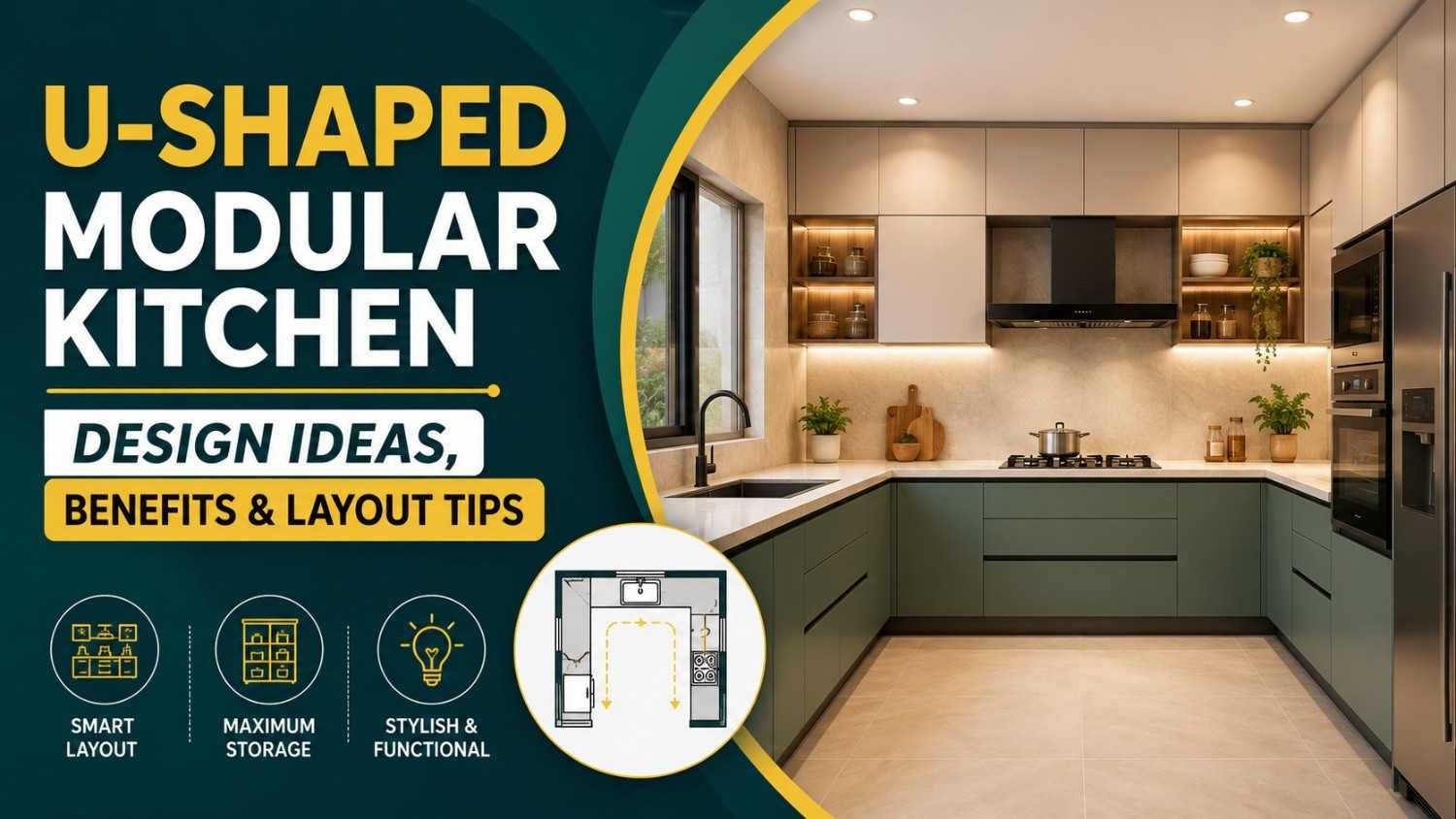
Splurge on kitchen cabinets When quality matters
Kitchen cabinetry gets constant daily use, so the quality can genuinely make a difference. Cabinets are opened and closed, cleaned, loaded, and they’re also dealing with moisture and heat on a regular basis. If the hardware or construction is subpar you may end up with loose hinges, scuffed surfaces, sagging doors, and then repairs that feel kinda annoying. If your budget has room, put your money into sturdy cabinet construction and dependable hardware, because that’s the stuff that holds up.
Focus Your Cabinet Budget On:
- Strong cabinet boxes.
- Durable hinges.
- Quality drawer runners.
- Moisture-resistant materials.
- Practical internal storage.
- Easy-to-maintain finishes.
You don’t necessarily need luxury-brand cabinets. Spend where durability and functionality matter rather than paying extra simply for a recognizable label.
Save on Cabinet Handles and Decorative Hardware
Cabinet hardware really can shift how the whole kitchen looks, but a higher price tag isn’t always a must. Handles, knobs, pulls, and those little decorative bits are usually a pretty simple swap later on. You can go with nice mid-range choices that match your overall look, without blowing a chunk of your renovation budget. And if you’re aiming for a more luxurious look, matching finishes and balanced proportions often count more than paying for the most expensive hardware.
Splurge on Kitchen Countertops, sorta next on the list
Countertops are another place where spending a bit more can actually make sense. They take a lot of abuse spills, heat, chopping, scrubbing, and just regular daily wear. A tough surface helps keep everything looking right for years and it can make everyday cooking feel easier too. Don’t pick only on what looks good at the moment. Think about durability, maintenance, stain resistance, heat tolerance, and how easy it is to repair if something happens.
Before Choosing a Countertop, Consider:
- Daily usage.
- Maintenance requirements.
- Resistance to stains.
- Resistance to scratches.
- Heat exposure.
- Overall lifespan.
The most expensive countertop isn’t automatically the best choice, but buying based solely on the lowest price can be a false economy.
Save on Backsplash Materials
A backsplash gives you a really good chance to keep renovation costs in check. Since backsplash areas are fairly small compared to floors or larger wall sections, you can still pull off a nice look with reasonably priced tile. Classic ceramic, or porcelain choices, can deliver solid durability without forcing you into a premium budget. If you really want that “expensive tile” feeling, think about using it in a selective way, like an accent strip or a small zone, instead of covering an entire wall. That way you get strong visual impact, yet still keep Renovation Cost Saving a major priority.
Splurge on the plumbing fixtures you touch every day
Fixtures like faucets, shower assemblies, toilets, and sinks are one of those areas where quality really matters for comfort and day to day reliability. A badly made faucet may start dripping, or it can become awkward to control over time. Likewise a less reliable shower fixture can cause recurring maintenance issues. Aim for trustworthy products with solid warranties and easy access to replacement parts. You don’t always have to choose the priciest model, but don’t base critical fixtures only on the lowest starting cost.
Save on the bathroom accessory stuff that follows trends
Items such as mirrors, towel holders, shelves, soap dispensers, and other decorative details can often be found for sensible money. These pieces do not always demand premium pricing just to look refined. A bathroom that stays simple can still read as high-end through careful lighting, matching finishes, clean lines, and balanced proportions. Put the extra money into waterproofing and the plumbing infrastructure instead, and don’t overpay for accessories that are easier to swap later.
Splurge on Bathroom Waterproofing
Waterproofing is one of those areas where trying to save money can end up causing pretty serious issues, kind of quietly at first then suddenly. Water damage can hit walls, floors, ceilings, cupboards, and even nearby spaces. Fixing moisture related troubles after a renovation is finished can be disruptive, and yes it can also get expensive fast. So it’s smarter to put resources into proper waterproofing systems, a professional installation, dependable drainage, and solid quality materials.
Don’t Cut Corners On:
- Shower-area waterproofing.
- Floor waterproofing.
- Drainage.
- Plumbing connections.
- Sealing around wet areas.
A beautiful bathroom is not successful if water eventually damages the structure.
Save on Flooring in Low-Traffic Areas
Not every room really needs the same flooring spending. For example bedrooms, guest rooms, storage areas, or other low traffic spots may not have to have the priciest flooring out there. Affordable laminate, vinyl, engineered materials, or reasonably priced tiles can still look great when they are picked carefully and then installed properly, you know. It’s better to choose based on how the space is expected to be used, instead of just putting the same budget on every single room.
Go ahead and splurge a bit on flooring that gets heavy use
Entryways, kitchens, hallways, and the everyday living areas you hit the most, take way more wear over time. Those spots really call for strong, durable flooring that can handle foot traffic, frequent cleaning, moving furniture around, and the usual accidents. When you spend a little more up front for durability, you can often replace it less often.
High-Traffic Flooring Should Offer:
- Durability.
- Easy maintenance.
- Scratch resistance.
- Moisture resistance where necessary.
- Reliable installation.
The best flooring investment is one that continues looking good after years of daily use.
Save on Paint, But Don’t Ignore Preparation
Paint is maybe one of the simplest renovation things where you can actually keep costs in line. You don’t always have to buy the most expensive paint for every single room, obviously. But cutting money on paint should never mean you just skip the surface prep. Smooth sanding, patching here and there, priming the right spots, careful cleaning, and steady application, all of that can make a mid range paint look noticeably better.
A Better Approach:
Spend fairly on quality paint for those tough spots, but really lean into surface prep and the right, professional way of applying it. A surface that’s prepared well, tends to give better results, than just going out and buying the priciest paint.
Splurge on Windows and Insulation
Windows and insulation, sort of influence comfort , energy efficiency, noise levels, and the overall indoor environmental quality. Swapping windows can come with a hefty price tag but , when you choose solid high-quality options, you usually get better thermal performance and less unwanted outdoor sound. In a similar kind of way , good insulation helps keep indoor temperatures steadier, and does it in a more efficient manner. They are not always the most “wow” upgrades to look at, yet they can make everyday life in your home feel noticeably smoother.
Save on decorative lighting
Lighting matters, sure, but not every single fixture should cost a fortune. You can pick up good pendant lights, wall fixtures, table lamps, and other decorative pieces across a broad range of prices. Rather than pouring money into each item , make a lighting plan that mixes ambient lighting, practical/task lighting, and accent lighting, so everything feels intentional and balanced.
Use Your Lighting Budget Strategically:
- Invest in good task lighting.
- Add affordable decorative fixtures.
- Use dimmers where appropriate.
- Layer different light sources.
- Highlight architectural features.
Good lighting design can make moderately priced interiors look considerably more refined.
Splurge on Kitchen Appliances You Use Frequently
If you cook regularly, appliances can “kind of” justify a larger investment, i mean it depends. A reliable refrigerator, oven, cooktop, dishwasher, or washing machine can make things easier day to day and reduce that small daily frustration. But don’t just pick premium appliances because they look shiny, impressive. Think about how often you actually use them, and which features truly fit your routine and lifestyle, not the ones that sound good in ads.
Save on Appliances With Unnecessary Features
A lot of modern appliances come with dozens of features that sound clever ,but you might barely touch them. Wi‑Fi connectivity, specialized cooking modes, extra large displays, and other add ons can push the price up without improving your everyday experience. Go with what you will use in real life. Pay for performance, long term reliability, energy efficiency, and the simple helpful functionality, not for the extras you can’t imagine using.
Splurge on Professional Installation
One of the most overlooked areas of renovation spending is skilled labor. Even great materials can go sideways if they’re installed poorly. Flooring, cabinetry, electrical systems, plumbing, waterproofing, and any structural work all need the right expertise. A contractor who seems cheaper ,might not actually be cheaper if small mistakes lead to extra repairs later.
Professional Work Is Especially Important For:
- Electrical systems.
- Plumbing.
- Waterproofing.
- Structural modifications.
- Custom cabinetry.
- Complex flooring.
- Gas-related work.
Good installation protects your material investment.
Where You Should Almost Never Cut Costs
Some renovation categories have consequences that go far beyond appearance.
Avoid Extreme Budget Cutting On:
- Structural repairs.
- Electrical safety.
- Plumbing infrastructure.
- Waterproofing.
- Roofing.
- Windows where performance matters.
- Professional installation.
- Building-code compliance.
Saving a few thousand today can become a much larger expense if poor workmanship creates serious problems later.
Where You Can Confidently Save
Other categories are much more flexible.
Good Areas for Savings Include:
- Decorative accessories.
- Cabinet handles.
- Simple mirrors.
- Basic backsplash tiles.
- Paint in low-use spaces.
- Curtains and soft furnishings.
- Trend-driven décor.
- Some low-traffic flooring.
- Non-essential smart-home features.
The goal isn’t to make your home look cheap. It’s to spend strategically.
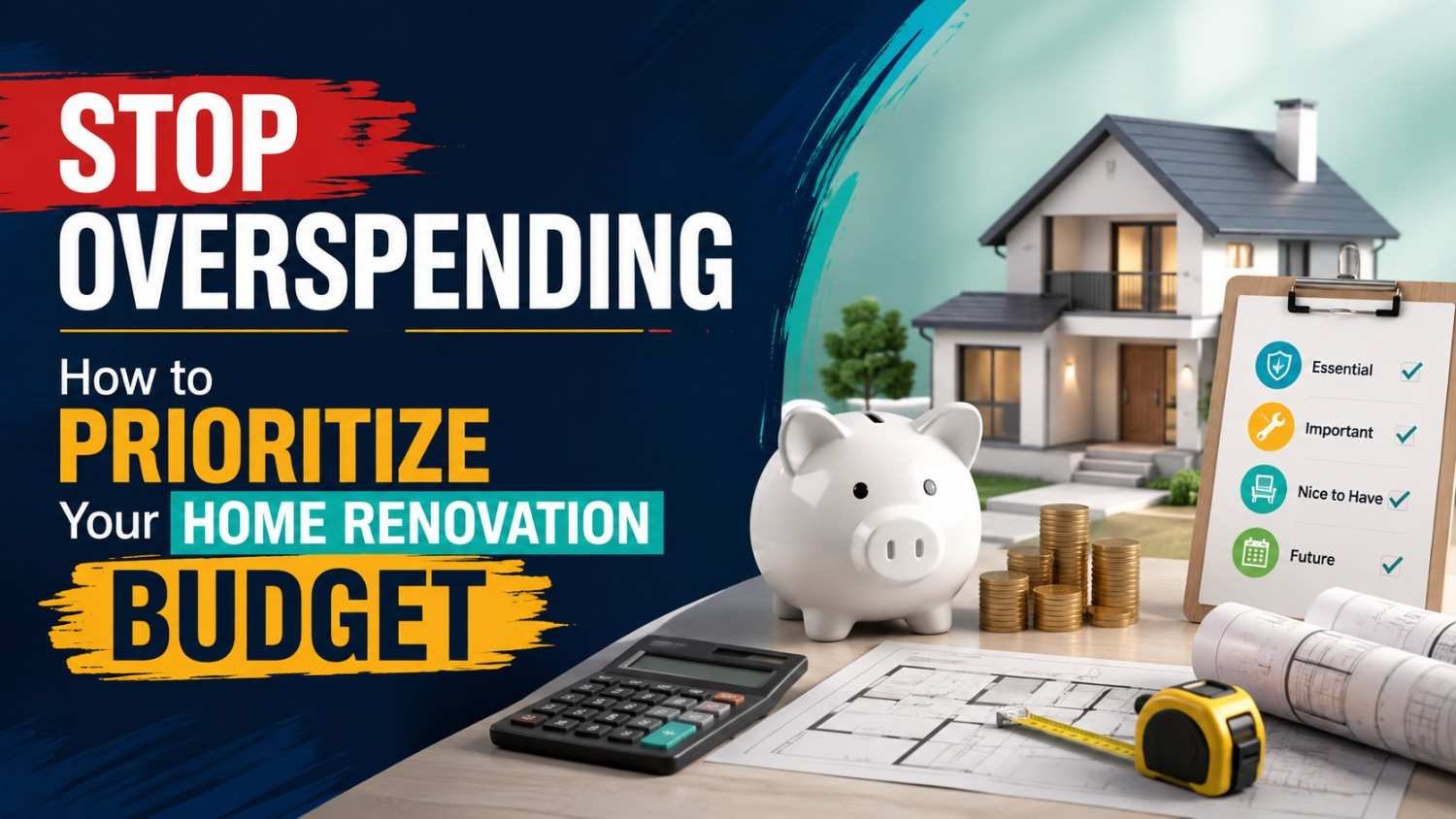
Create a Renovation Priority List
Before purchasing anything, divide your renovation plans into three categories.
Must Have
These are essential repairs, safety improvements, and functional upgrades that should receive priority.
Worth Investing In
These are features that improve durability, comfort, efficiency, or daily convenience.
Nice to Have
These are decorative or optional features that can be added when the budget allows. This simple framework prevents attractive but unnecessary upgrades from consuming money needed for important work.
Think About Long-Term Maintenance
Initial purchase price isn’t the only cost to consider. A cheaper material may require more frequent repairs, cleaning, replacement, or maintenance. When comparing products, consider the total cost over several years rather than focusing only on today’s price.
Ask Yourself:
- How long will it last?
- How difficult is it to maintain?
- Can it be repaired?
- Are replacement parts available?
- Will I still like it in five years?
These questions make renovation decisions more practical.
Avoid Spending Based Only on Trends
Trendy finishes can make a home feel modern today but then, they end up looking surprisingly dated pretty quickly. Rather than putting a big chunk of money into highly fashionable elements, you might think about using “forever” materials for the permanent parts, and treating the trends like something you can swap out later—through accessories that are easier to replace. In a way it helps you safeguard your renovation budget, while still letting your place’s style quietly evolve over time.
The Best Renovation Is Balanced, In Real Life
A good renovation doesn’t automatically require the most expensive materials in every single room. It really comes down to getting the right materials in the right spots. Put more spending where it matters most—safety, durability, comfort, day-to-day performance, and all those areas that get used all the time. Then save a bit where things are simpler to update, like products you can replace without too much effort, or where budget-friendly options deliver nearly the same results. This kind of tradeoff keeps the home looking sharp and polished, without turning the whole renovation into this unnecessarily costly marathon project.
Key Takeaways
- Establish a realistic Home Renovation Budget before purchasing materials.
- Splurge on structural, electrical, plumbing, and waterproofing work.
- Invest in durable kitchen cabinets and frequently used countertops.
- Save on decorative accessories and replaceable hardware.
- Choose flooring based on traffic levels.
- Invest in professional installation for technical work.
- Compare long-term maintenance costs, not just purchase prices.
- Avoid spending heavily on temporary design trends.
- Use affordable finishes strategically for visual impact.
- Keep a contingency fund for unexpected renovation expenses.
Conclusion
A successful home renovation isn’t really about spending the most money; it’s more about putting money where it gives the biggest, long run payoff. You’ll want to lean into structural integrity, waterproofing, electrical systems, plumbing, and those durable surfaces. Also think about quality installation, and the everyday features you actually use. Then, as a kind of trade off, you can hold back a bit on decorative accessories, replaceable hardware, trendy finishes, and spots where low cost alternatives work just as well. When you split the must-haves from the optional upgrades, and you also weigh both quality and long term upkeep, you end up with a home that feels beautiful, comfortable, and practical , while still keeping renovation costs from getting out of hand.
Frequently Asked Questions
1. Where should I splurge during a home renovation?
Prioritize structural work, waterproofing, electrical systems, plumbing, insulation, high-traffic flooring, quality cabinetry, and professional installation because these areas influence safety, durability, and long-term performance.
2. Where can I save money during a renovation?
You can often save on decorative accessories, cabinet hardware, basic mirrors, paint in suitable areas, curtains, affordable backsplash materials, and replaceable décor without significantly reducing overall quality.
3. Should I buy expensive renovation materials?
Not necessarily. Focus on durability, performance, maintenance, and installation quality rather than price alone. A mid-range product can sometimes provide better value than a premium alternative.
4. How much should I keep aside for unexpected renovation costs?
Keeping approximately 10–20% of your renovation budget as a contingency reserve can help cover hidden damage, material changes, labor adjustments, or other unexpected expenses.
5. Is professional installation worth the extra cost?
For electrical, plumbing, waterproofing, structural work, cabinetry, and other technical projects, professional installation is generally a worthwhile investment because incorrect installation can create expensive problems later.