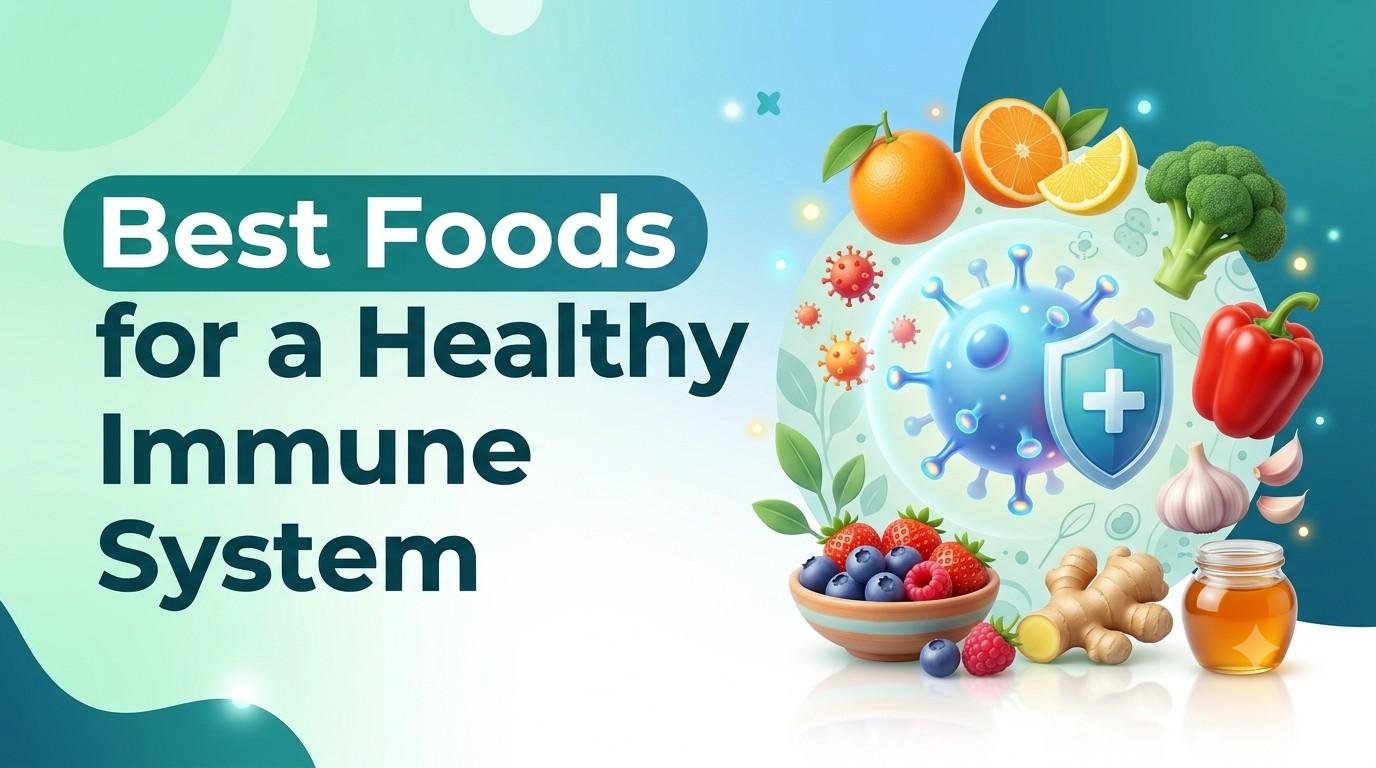
Your immune system does its job in the background. It helps your body deal with germs such as bacteria and viruses, along with other everyday threats. Most of the time, you do not notice it at all. When your days get packed and your meals get less planned, it can be harder to get the nutrients your body relies on. Stress can add to that. If you eat a lot of highly processed food, you may miss key vitamins and minerals. Immune-boosting foods can help, but they are not magic fixes. They fit into a normal eating pattern that includes the nutrients your body needs each day, like protein, fiber, vitamins, minerals, and healthy fats.
The NIH points out that enough nutrients such as vitamins A, C, D, E, B6, B12, folate, selenium, and zinc matter for immune function that works as it should. You also do not have to spend a lot on supplements or follow a hard plan. A diet that includes fruit, vegetables, whole grains, beans, nuts, seeds, and lean proteins can cover many nutrients tied to immune health. Harvard Health adds that what you eat overall matters more than chasing one “superfood” that claims it can change everything fast.
Why food choices affect immune health
Your immune system is not one single part. It is a set of linked processes and cells. You cannot just “turn it up” like a switch. Nutrients support immune cells, help keep body barriers strong, and help key body functions run well. If you do not get enough of a nutrient, immune function can slow down. That is why it is smarter to eat a mix of foods than to obsess over one vitamin or one item.
A practical immune-supporting diet should emphasize:
- A wide variety of colorful fruits and vegetables.
- Adequate protein from fish, poultry, eggs, beans, lentils, or other sources.
- Whole grains, nuts, and seeds.
- Fermented foods when they fit your diet.
- Healthy unsaturated fats.
1. Citrus Fruits
Citrus fruits like oranges, lemons, grapefruit, and others are often a smart way to get vitamin C. This vitamin supports normal immune work. You can also find vitamin C in many fruits and vegetables. Citrus is easy to grab. It tastes bright and fits well with breakfast, snacks, or a salad. Rather than only drinking orange juice, try eating the whole fruit more often. Whole fruit includes fiber too. An orange with your morning meal can be a simple step for a diet that supports immunity. No big cooking plan is needed.
2. Berries
Strawberries, blueberries, raspberries, and blackberries offer vitamin C and fiber. They also bring plant compounds. Their red, blue, and dark tones come from compounds that grow in the fruit. These give some variety to what you eat. Harvard Health suggests eating a mix of fruits since each type can add different helpful compounds.
Use berries in oatmeal, yogurt, smoothies, or salads. Frozen berries can help when fresh ones are not around. They still work well when you want foods that support antioxidant intake all year.
3. Leafy Green Vegetables
Spinach, kale, collards, and similar greens can fit into a nutrient-focused diet. They contain folate, vitamin C, vitamin K, carotenoids, and fiber. They also add other plant compounds. Harvard research links leafy greens with a healthier style of eating.
You do not have to eat a huge pile of raw greens every day. Add spinach to eggs. Blend greens into a smoothie. Mix cooked greens into lentils. Or serve cooked vegetables with lunch or dinner.
4. Broccoli
Broccoli can fit well in a plan aimed at better immune support. It brings vitamin C, fiber, folate, and a mix of other nutrients. Many people find it easy to cook at home. If you steam it or cook it only briefly, it works as a quick side. If you chop it, you can toss it into soups, stir-fries, rice or grain bowls, or salads. The point is to rotate foods, not to treat any one vegetable as a cure.
5. Garlic
Garlic has been part of meals for a long time in many places. It has sulfur compounds, which is why researchers have taken interest in it. You can use garlic to boost taste without relying on lots of sugar, salt, or thick sauces. For immune support, think of garlic as one piece of a wider food pattern. Add it to vegetables, soups, lentils, beans, fish, or whole grains. This helps keep meals flavorful and varied.
6. Yogurt and Fermented Foods
The gut and the immune system talk to each other. Because of that, fermented foods may help when they are part of an overall diet. Yogurt with live cultures can also offer protein. Some products include probiotics, but it depends on what is inside.
The NIH notes that probiotics are live microbes that might help when you eat enough of them. The results can vary by strain and the situation. Try to pick plain yogurt or one with less added sugar. You can eat it with berries, nuts, or seeds for a simple snack.
7. Nuts and Seeds
Almonds, walnuts, pumpkin seeds, sunflower seeds, and other nuts and seeds add useful fats, protein, fiber, magnesium, and vitamin E. They also bring other helpful nutrients. A small amount can boost what a meal already offers.
For zinc, foods like pumpkin seeds, nuts, beans, dairy, poultry, seafood, and meat can help. Zinc supports the immune system in more than one way. You can sprinkle a small handful into oatmeal, yogurt, salads, or homemade snack mixes.
8. Fatty fish
Salmon, sardines, and mackerel contain omega-3 fatty acids. They also give good quality protein. Harvard Health lists fatty fish as part of a diet that tends to be anti-inflammatory. Consider adding fish to your meals for immune support. Grill salmon with vegetables, eat sardines on whole-grain toast, or toss fish into a salad.
9. Eggs
Eggs are an easy source of high quality protein. They also contain vitamins and minerals. Protein is needed for the body to use amino acids for many jobs, such as helping keep tissues strong and supporting key body functions. If you want protein in a simple form, eggs can work well. They cost less, fit many meals, and cook fast. Add vegetables and whole grains to make the plate more balanced.
10. Beans and Lentils
Beans, chickpeas, peas, and lentils provide plant protein, fiber, folate, iron, and other nutrients. They are also inexpensive and adaptable, making them useful for building a balanced diet for immune health.
Add lentils to soups, chickpeas to salads, or beans to grain bowls and vegetable dishes. Their fiber also supports digestive health, making legumes a valuable part of an overall nutrient-dense eating pattern.
11. Sweet Potatoes and Carrots
Sweet potatoes and carrots contain beta-carotene, which the body can convert to vitamin A. Vitamin A is among the nutrients required for normal immune function, and deficiency can affect immune responses.
These vegetables are easy to roast, steam, add to soups, or incorporate into curries. Their natural sweetness can also make meals more satisfying without relying heavily on sugary sauces.
12. Whole Grains
Oats, brown rice, quinoa, barley, and other whole grains add fiber and key nutrients. They also bring plant compounds that are linked with better health. Harvard Health points to whole grains, legumes, fruits, vegetables, nuts, and seeds as core parts of a healthy eating plan.
Whole grains can also show up in day to day meals. For breakfast, try oatmeal. For lunch, choose brown rice with vegetables and beans. At dinner, use quinoa with fish and a side salad.
13. Seeds and foods that have zinc
Zinc matters for immune health. It plays a role in several body processes. Zinc shows up in foods such as oysters, seafood, poultry, meat, beans, nuts, whole grains, and dairy products.
Eating a mix of foods can help you get zinc from meals instead of from pills. If you worry you might be low, talk with a healthcare professional. This is extra important if you have food limits or a medical issue.
14. Green tea
Green tea has polyphenols and antioxidants. It is a drink option if you want to skip drinks that are heavily sweetened. Harvard Health lists green tea as a beverage that contains plant compounds with possible anti-inflammatory effects. Keep it in perspective. Green tea is not a cure. It is not a direct natural way to boost immunity. Instead, treat unsweetened green tea as one small part of a well rounded routine.
Foods to limit for stronger immune health
Immune support is not only about adding certain foods. The overall pattern matters. If your diet leans on processed foods, sugary drinks, refined carbs, and processed meats, you may have less space for nutrient rich choices. . Harvard Health recommends emphasizing whole or minimally processed foods while limiting highly processed options and added sugars.
Try to make these changes gradually:
- Replace sugary drinks with water or unsweetened beverages.
- Choose whole grains more often.
- Add vegetables to meals rather than simply removing foods.
- Snack on fruit, nuts, or yogurt.
- Keep highly processed foods as occasional choices.
Can Food Really “Boost” Your Immune System?
“Boost your immune system naturally” sounds good, but the message can be too simple. Your immune system works in a balance. There is also no one food that has been shown to suddenly make immunity stronger in someone who is already healthy. Harvard Health points out that no single food and no store brand “immune booster” should be treated like a quick fix. It is the whole diet and everyday habits that count more.
The NIH makes a similar point. It says that when you get the right nutrients from meals, your immune system can work normally. In contrast, supplements usually do not stop infections or help people recover faster if they are not lacking nutrients.
Simple food routine for immune health
You do not need a complex plan for meals. Pick a protein first. Then add fruit or vegetables with bright colors. Next, choose a whole grain or another high fiber carb. Also include some healthy fat.
For a sample day, breakfast might be oats with yogurt, berries, and nuts. Lunch could be lentils with brown rice, spinach, carrots, and more yogurt. Dinner could be salmon with broccoli and a whole grain on the side. This way you get variety. It does not turn eating well into a strict list.
Other Habits That Support Immune Health
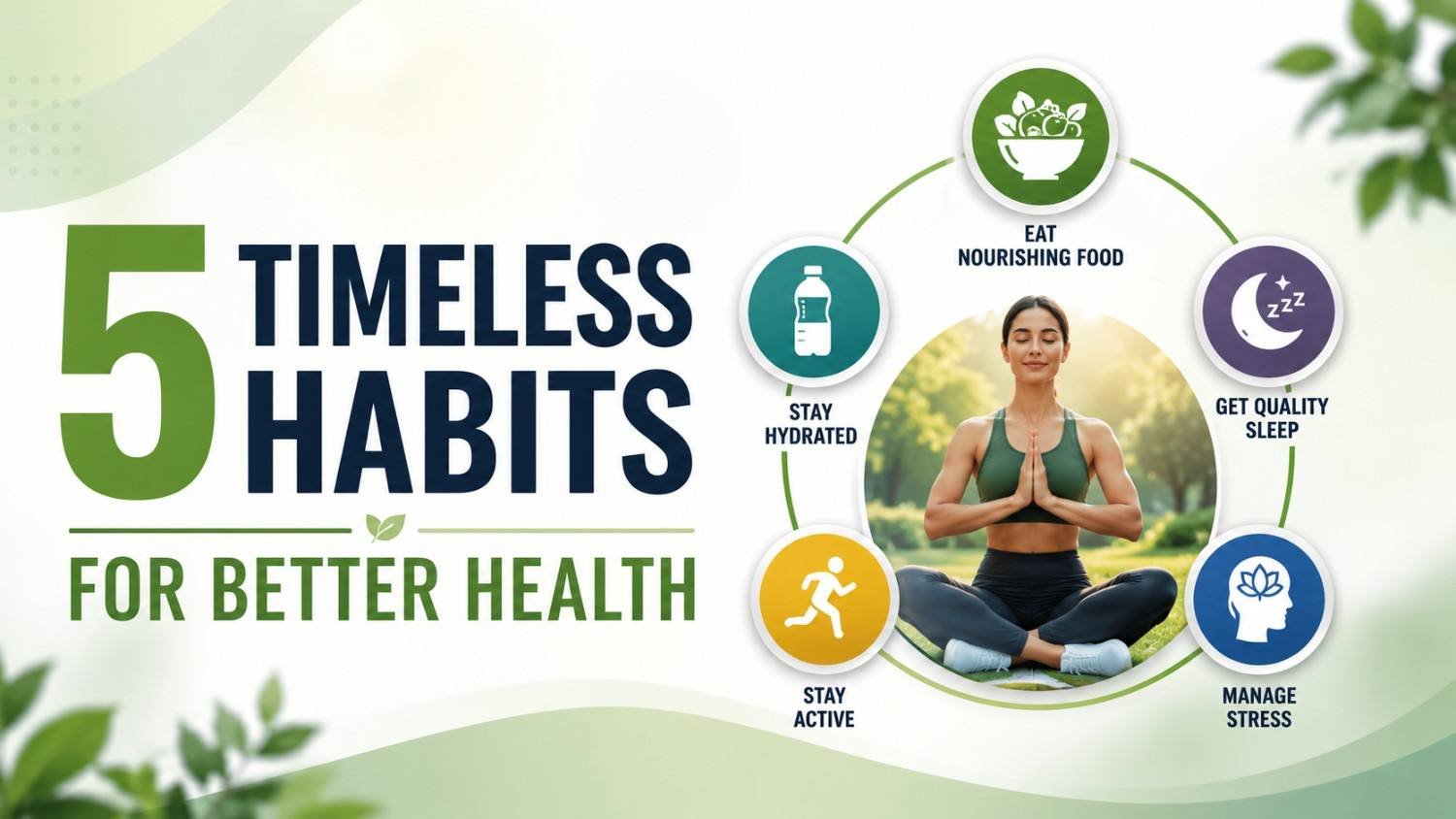
Good health is not just about food. Exercise, enough sleep, not smoking, stress control, a stable healthy weight, and up to date vaccines all play a role too. Harvard Health points to these everyday habits when it talks about immune support. So the most helpful “natural” steps are also simple. Eat a range of foods. Get solid sleep each night. Keep moving. Reduce stress when you can. Use preventive care at the right times. Small, steady effort usually beats a fast answer.
Conclusion
You do not need rare or costly foods to support your immune system. Citrus fruits, berries, leafy greens, broccoli, garlic, yogurt, nuts, seeds, fatty fish, eggs, beans, lentils, colorful vegetables, and whole grains can help you eat in a balanced way. The NIH notes that vitamins and minerals are needed for normal immune work. Harvard Health also focuses on overall diet quality, not single foods labeled as “superfoods.” Instead of trying to boost immunity in a day, make meals that you can stick with and that supply the nutrients your body uses. And keep in mind that diet works with sleep, movement, preventive care, and other healthy routines.
Frequently Asked Questions
1. What is the best food for a healthy immune system?
There is no single best food. A varied diet containing fruits, vegetables, whole grains, legumes, nuts, seeds, and healthy protein sources is a better approach.
2. Which fruits are good for immune health?
Citrus fruits, berries, and other colorful fruits can provide vitamin C, fiber, and beneficial plant compounds that support an overall nutritious diet.
3. What foods are high in zinc?
Seafood, poultry, meat, beans, nuts, whole grains, and dairy products can provide zinc, an essential nutrient involved in immune function.
4. Can food boost your immune system?
No single food can dramatically “boost” immunity. Adequate nutrition supports normal immune function, particularly when the diet provides essential nutrients.
5. Are supplements better than immune-supporting foods?
For most people without a nutrient deficiency, obtaining nutrients from a varied diet is preferable; supplements do not generally prevent infections when there is no deficiency.