Modern medicine has helped people live longer than previous generations, but living longer, well it does not automatically mean living better. Quite a lot of adults spend their later years dealing with long-term ailments, juggling multiple medications, feeling less mobile, or gradually losing that independence thing. Because of that, more and more health experts are kinda moving the talk away from just adding extra years, and toward making those years more useful. The point is not only to reach a high number of years, but to keep moving regularly , staying mentally alert, having emotional stamina, and maintaining real social ties through the whole lifespan of life.
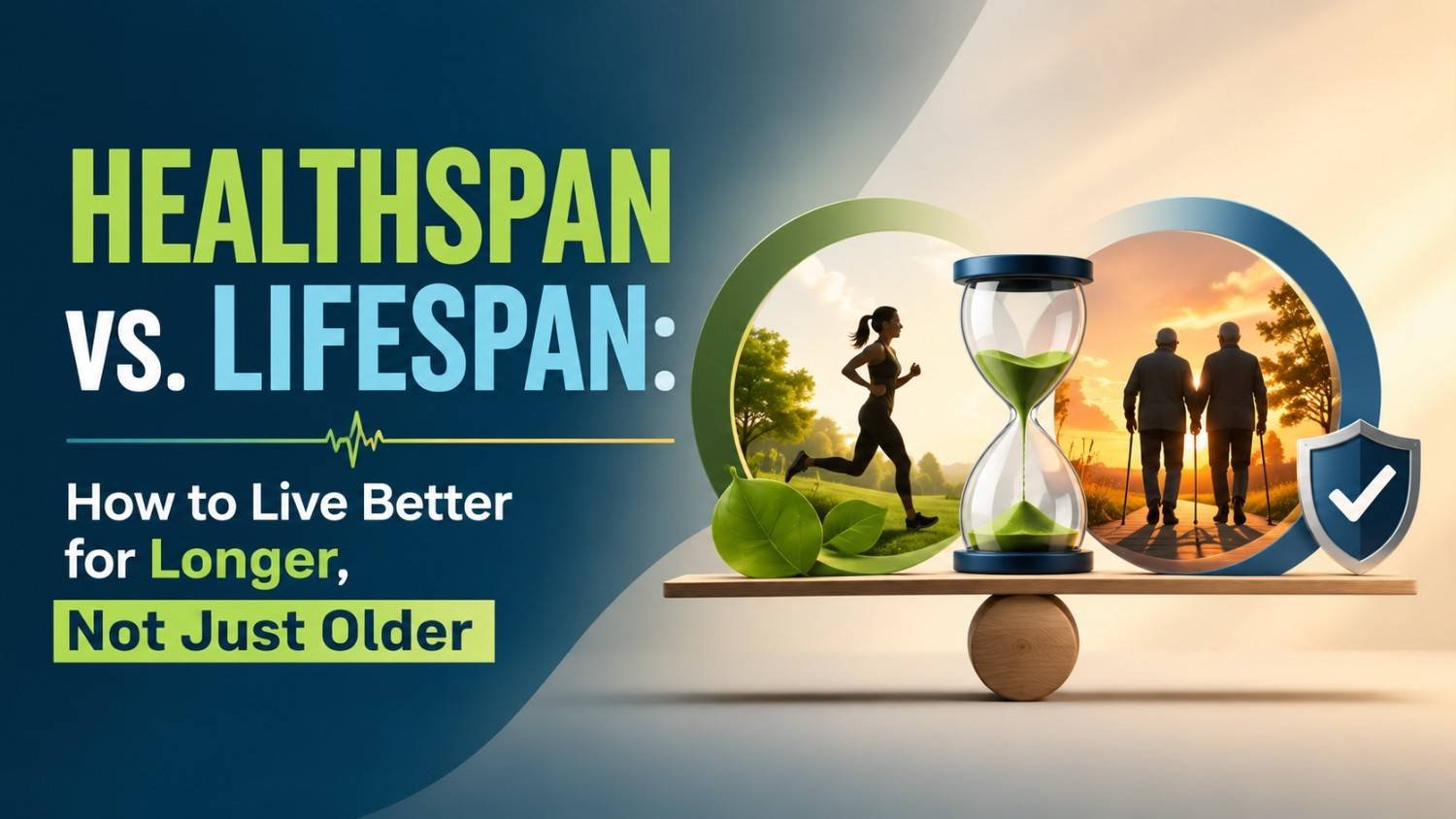
And this is where the difference between healthspan and lifespan becomes kinda central. Lifespan measures how long you live, whereas healthspan is more about how many of those years are lived in good health, without major disease or disability. Once you get that distinction it can really shift how you think about exercise, food choices, sleep quality, stress handling, and preventive healthcare. In this guide, you’ll see what healthspan actually means, why it matters more right now, and which practical routines may help you live better for longer—not just live longer, period.
What Is Lifespan?
Lifespan is the total number of years a person lives, you can kind of say it’s a plain way to measure how long someone stays around. That number is influenced by genetics, access to healthcare, sanitation, nutrition, personal safety and general lifestyle habits. For example, if someone lives to 85 years old, then their lifespan is 85 years. Still, lifespan by itself does not really say whether those years were spent in good health, or more like dealing with a lot of illness and disability, you know.
Lifespan Focuses On
- Total years lived.
- Longevity statistics.
- Survival rates.
- Life expectancy averages.
- Population health trends.
What Is Healthspan?
Healthspan is basically the number of years someone lives with good physical mental, and emotional health , without a major chronic disease , or any big functional limits. So yes a person might still have a lifespan of 85 years , but their healthspan could drop to around 65 if the final 20 years get mostly taken over by serious health problems. Improving healthspan means stretching the years of vitality, staying independent, keeping mobility up, protecting cognitive function, and supporting that overall well-being.
Healthspan Includes
- Physical mobility.
- Mental clarity.
- Emotional resilience.
- Independence.
- Energy and vitality.
Why Healthspan Matters More Than Ever
People around the world are living longer , but chronic conditions like heart disease diabetes obesity arthritis and dementia have also become increasingly common. Extending lifespan without really improving healthspan can end up meaning more years in a row spent managing illness rather than actually enjoying life. When we Focus on Healthy Aging , it helps shrink that gap between lifespan and healthspan, so individuals can stay active, productive, and genuinely connected with family, friends and their communities for much longer.
Benefits of Prioritizing Healthspan
- Greater independence.
- Lower healthcare costs.
- Better quality of life.
- More active later years.
- Improved emotional well-being.
The Biggest Misconception About Aging
Lots of people think that a drop in health is basically the thing you just get with time. Sure, some biological changes happen in a pretty natural way as we get older but studies have shown that the way we live day to day has a big say in how the aging process actually turns out. Things like moving regularly, eating well, getting solid sleep, handling stress with intention, staying socially connected, and keeping up with preventive medicine can meaningfully strengthen physical capability, and they also lower the chance of several diseases that show up with age.
What Aging Does Not Have to Mean
- Constant fatigue.
- Severe mobility loss.
- Cognitive decline.
- Chronic illness as the default.
- Loss of independence.
1. Build Muscle to Protect Your Future
One of the most effective ways, to improve Healthspan is keeping muscle mass and overall strength, because well you know muscle tends to thin out naturally as we age, which then increases the chance of falls , fractures, frailty and honestly losing independence too. Strength training, two or three times a week tends to help safeguard mobility, better balance, bolster bone health and keep you capable of doing daily tasks , without it feeling like a big deal.
Simple Strength Activities
- Bodyweight squats.
- Push-ups or wall push-ups.
- Resistance band exercises.
- Light weight training.
- Functional movement exercises.
2. Prioritize Daily Movement, Not Just Workouts
A lot of folks exercise for about an hour, then they kind of just sit there for the rest of the day, or move very little. Long stretches of sitting can quietly throw off metabolism, circulation, and general well being even for people who do work outs regularly. If you add more daily motion, like walking, gentle stretching, doing household tasks, taking standing breaks, and choosing active hobbies, it tends to help the heart and blood flow, and supports better long-term, Longevity too.
Easy Ways to Move More
- Take short walking breaks.
- Use stairs when possible.
- Stretch every hour.
- Walk after meals.
- Choose active leisure activities.
3. Eat for Long-Term Health, Not Short-Term Weight Loss
Extreme diets can lead to rapid weight loss, though really keeping it going in the long run, is where healthspan tends to matter more. Foods that are nutrient-dense give the body those vitamins, minerals, protein, fiber, and also the kind of healthy fats that help support muscles, bones, the brain, and the immune system. A more balanced way of eating , one that leans on whole foods, is often tied to better health outcomes and a lower chance of chronic disease.
Focus on These Foods
- Vegetables and fruits.
- Lean proteins.
- Legumes and beans.
- Whole grains.
- Nuts, seeds, and healthy fats.
4. Protect Your Sleep as a Health Investment
Sleep is one of the most underrated factors in Preventive Health, and honestly people forget it way too often. While you sleep the body goes about its work, repairing tissues, balancing hormones, reinforcing the immune system, consolidating memories, plus helping with emotional regulation. When sleep is cut short for long periods, the downsides start to pile up—higher odds of obesity, diabetes, heart disease, depression, and cognitive decline show up more frequently. Having steady, consistent sleep habits is essential, not just for healthspan but also for lifespan.
Better Sleep Habits
- Keep a regular bedtime.
- Limit screens before sleep.
- Reduce caffeine late in the day.
- Keep the bedroom cool and dark.
- Aim for 7–9 hours of sleep.
5. Manage Stress Before It Manages You
Occasional stress is normal, but chronic stress can help fuel inflammation , high blood pressure, crumby sleep, unhelpful eating habits, and a weakened immune function. It seems like developing healthier coping strategies just matter, because they protect your mental and physical well being, while also building resilience across life, even when things get rough.
Healthy Stress-Reduction Practices
- Deep breathing exercises.
- Meditation or mindfulness.
- Journaling.
- Spending time in nature.
- Talking with supportive friends or family.
6. Keep Your Brain Active
Cognitive health is a big part of Healthy Aging, and it’s not just about one thing. The brain does well with ongoing learning, mental challenges, social connection, and some kind of meaningful activities , even if they’re small. When people jump into intellectually stimulating tasks , it can support cognitive function. It may also lower the chance of age-related cognitive decline, so in the long run the mind stays more steady, and kinda sharp.
Brain-Healthy Activities
- Reading regularly.
- Learning new skills.
- Playing strategy games.
- Practicing a musical instrument.
- Engaging in thoughtful conversations.
7. Maintain Strong Social Connections
Loneliness and social isolation are becoming more and more seen as serious health risks, in general. People who have strong social relationships usually get better mental well being, less stress, improved immune performance , and even more long life. It’s kind of clear that putting effort into relationships isn’t just emotionally fulfilling, it’s also a very strong approach for healthspan.
Ways to Stay Connected
- Spend time with family.
- Join community groups.
- Participate in hobbies with others.
- Volunteer when possible.
- Schedule regular social interactions.
8. Schedule Preventive Health Screenings
A lot of serious health conditions kinda build up slowly and they might not show obvious symptoms right away. Regular medical checkups, you know, let issues surface sooner and that usually means they can be handled earlier too, with better outcomes. Preventive care is also one of the most sensible options for guarding your long-term health, and staying independent as you get older.
Important Preventive Checks
- Blood pressure.
- Cholesterol levels.
- Blood sugar testing.
- Cancer screenings.
- Vision and hearing examinations.
9. Reduce Harmful Lifestyle Habits
Some behaviors can quietly, but pretty quickly, trim both your healthspan and your lifespan. Smoking, having too much alcohol, chronic overeating, not moving enough, and long stretches of sleep deprivation really raise the odds for a bunch of chronic illnesses. Often the better move is gradual progress, it tends to be more sustainable than trying to force huge lifestyle changes all at once.
Habits Worth Reducing
- Smoking or vaping.
- Excessive alcohol intake.
- Ultra-processed food consumption.
- Sedentary behavior.
- Chronic sleep restriction.
10. Think in Decades, Not Weeks
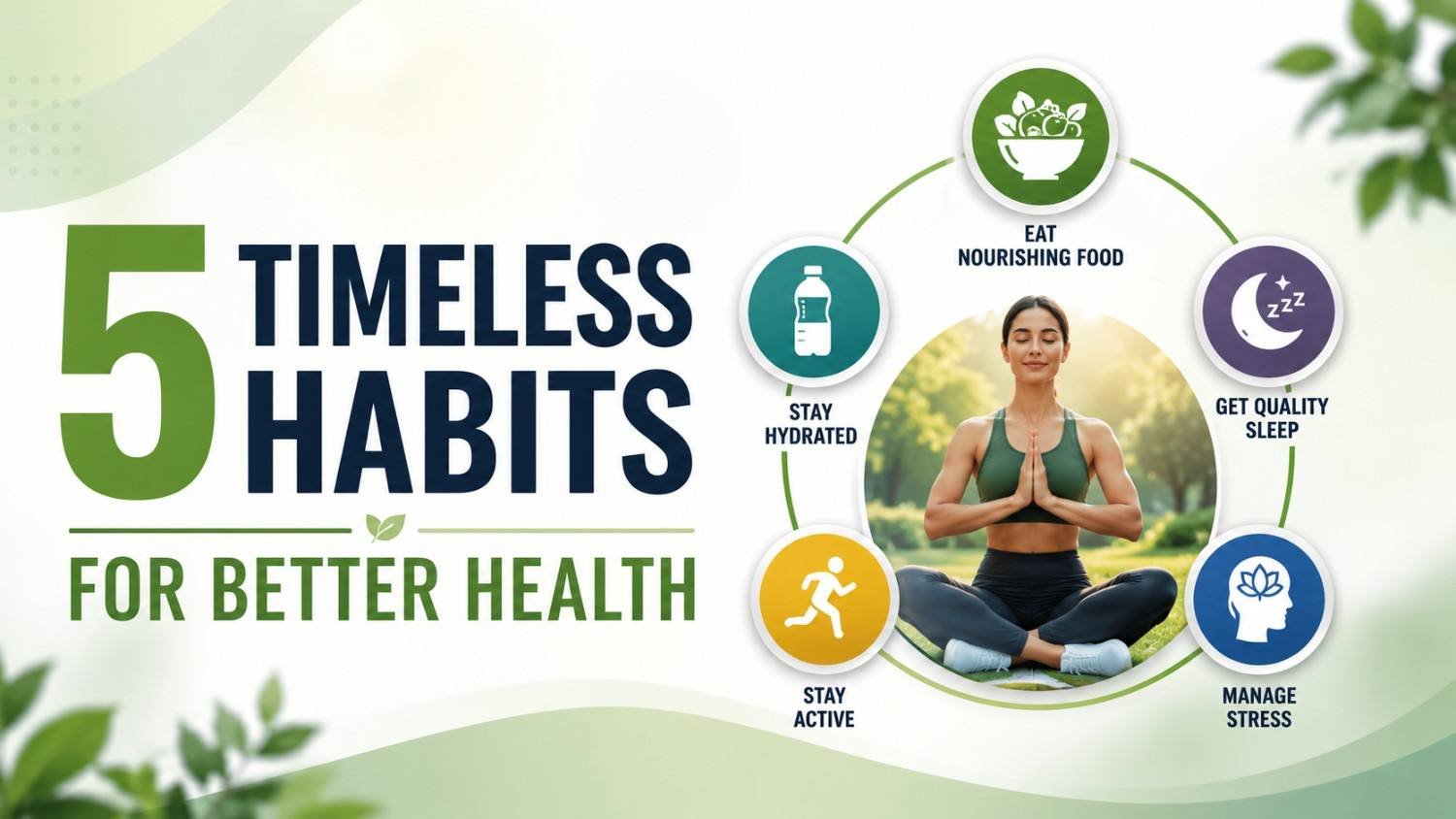
Improving Healthspan isn’t about chasing down one magic anti aging supplement, or doing some extreme diet, or even picking a quick fitness challenge that promises everything. The best improvements usually come from repeatable habits, done again and again over many years, even if it feels a little boring in the moment. Small daily things like walking , eating solid and nutritious meals, sleeping well, managing stress, and staying socially connected they all add up. Over time those steady routines compound, and honestly they can matter more than occasional short term pushes.
Long-Term Healthspan Mindset
- Focus on consistency.
- Make sustainable changes.
- Track habits, not perfection.
- Prioritize recovery and balance.
- Build routines you can maintain for life.
The Science Behind Healthy Aging
Researchers studying Longevity keep finding that the healthiest populations—usually share a few lifestyle patterns in common. Like , regular physical activity, minimally processed diets, strong social relationships, enough sleep , low smoking rates, and some kind of sense of purpose. Sure, genetics play a role in how aging happens , but lifestyle factors often end up deciding how those genetic tendencies show up through out a persons life. So in a real sense, many parts of healthy aging are within our reach, even if we cant manage every single health outcome.
Common mistakes people make when trying to live longer
A lot of people get stuck on supplements, costly wellness products, or extreme fitness routines, but then they ignore the basic habits that have the strongest scientific backing. Others also give up because they expect fast results, like overnight changes. Healthspan improvements tend to be slow, more like steady drift rather than sudden change, with things such as better energy levels, improved sleep , greater strength, a steadier mood, and lower disease risk building up over time.
Mistakes to Avoid
- Chasing quick fixes.
- Ignoring sleep quality.
- Avoiding strength training.
- Staying sedentary outside workouts.
- Neglecting mental health.
- Skipping preventive screenings.
- Following extreme diets.
- Relying only on supplements.
- Ignoring social relationships.
- Expecting immediate transformation.
A Simple Daily Healthspan Checklist
Use this quick checklist as a practical starting point for healthier aging:
- Move for at least 30 minutes.
- Eat vegetables or fruit with most meals.
- Include a source of protein.
- Drink enough water.
- Take short movement breaks if sitting for long periods.
- Spend a few minutes managing stress.
- Connect with another person.
- Get 7–9 hours of sleep.
- Learn or read something new.
- Avoid tobacco and limit excessive alcohol.
Consistently completing even most of these habits can have a meaningful long-term impact.
Conclusion
The difference between Healthspan and Lifespan is one of the most important concepts in modern preventive health. Living longer is valuable, but living those extra years with energy, mobility, mental clarity, independence, and meaningful relationships is far more important. If you focus on healthy aging, with regular movement , strength training , nutritious eating , quality sleep, stress management, cognitive stimulation, social connection, and preventive healthcare, you can really boost both the quality and the quantity of your life. The point is not just adding years to your life, it’s also adding life to your years. In other words, make a future where you stay active capable and involved as long as possible.
Frequently Asked Questions
1. What is the difference between healthspan and lifespan?
Lifespan refers to the total number of years you live, while Healthspan refers to the number of those years spent in good physical, mental, and emotional health without major disease or disability.
2. Can lifestyle changes really improve healthspan?
Yes. Research shows that regular exercise, healthy nutrition, quality sleep, stress management, and preventive healthcare can significantly improve long-term health and reduce the risk of many chronic diseases.
3. Is healthspan more important than lifespan?
Most health experts believe that improving healthspan is at least as important as increasing lifespan because it focuses on maintaining independence, mobility, cognitive function, and overall quality of life as you age.
4. What is the single most effective habit for healthy aging?
There is no single perfect habit, but regular physical activity—especially a combination of strength training and daily movement—has one of the strongest evidence bases for improving both healthspan and lifespan.
5. At what age should I start focusing on healthspan?
The earlier, the better. However, it is never too late to benefit from healthier habits. Improvements in physical activity, nutrition, sleep, and stress management can provide meaningful health benefits at almost any age.