Stress has become a kind of normal part of modern life, you know. Whether it is managing work responsibilities meeting deadlines, dealing with financial concerns, keeping relationships steady or trying to balance personal commitments , almost everybody ends up feeling stress at some point. And sure, a small amount of stress can sort of push you to get things done, solve problems, move forward. But if it drags on too long, or it is not managed properly, stress can mess with both physical and mental health. It can cause fatigue, weaker focus, sleep problems, a diminished immune system, mood shifts, and in some cases even lead to long-term health conditions. Still, many people just keep going with high stress levels without noticing how strongly it affects daily performance, the way they make decisions, and their overall quality of life.
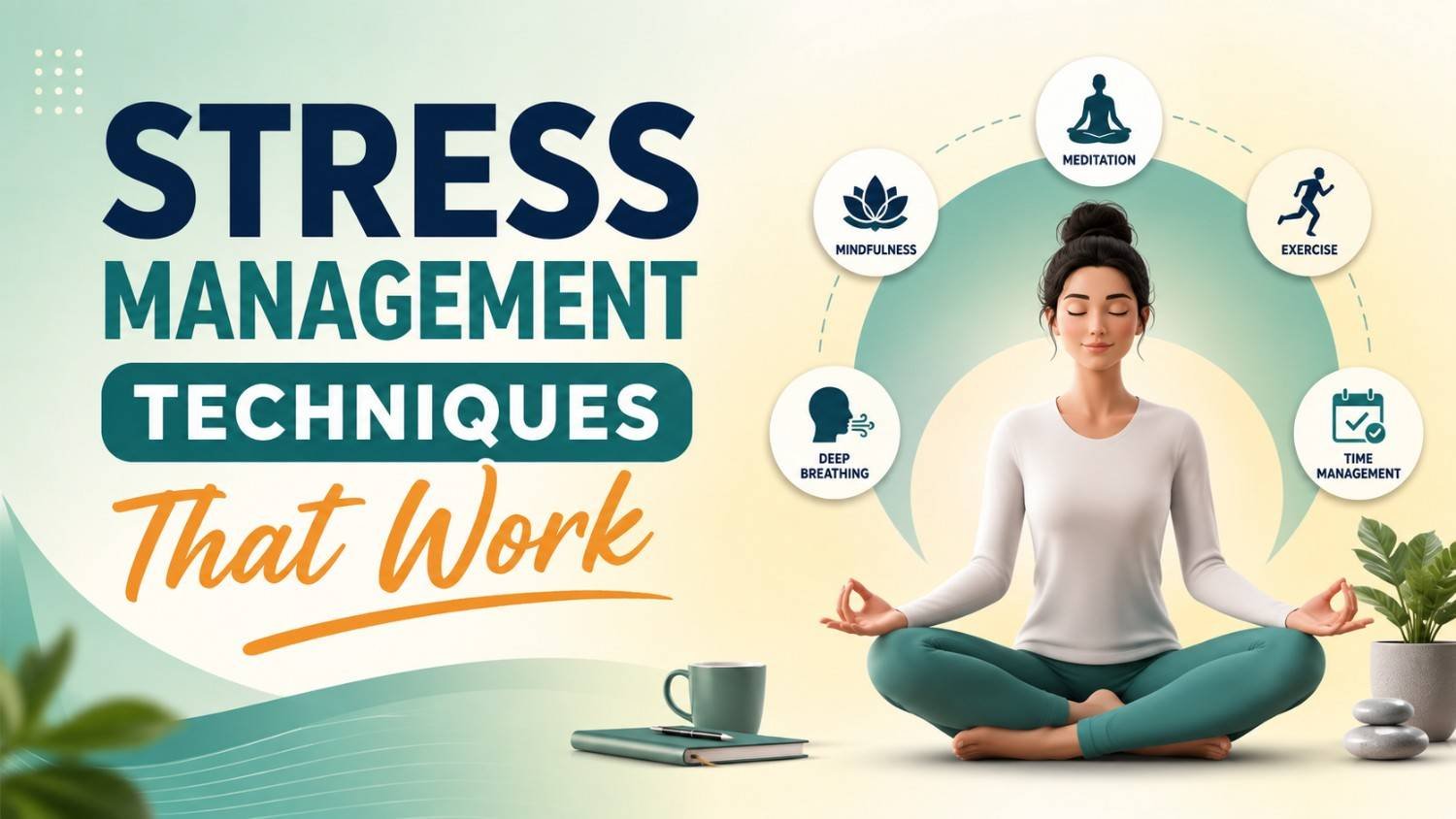
The good news is stress doesn’t have to run the whole show. If you take on healthy habits and practical coping strategies, you can reduce stress, strengthen emotional toughness, and shape a more balanced mindset. Effective stress management isn’t about removing every challenge, it is more about learning how to react in a calm and constructive way when things get difficult. Even small lifestyle changes, if you do them consistently, can make a big difference in mental sharpness, emotional steadiness, and general well-being. In this guide, we’ll look at Stress Management Techniques That Work, with practical options anyone can use, no matter your age, your job, or your everyday routine . Throughout this article, you’ll also find naturally integrated SEO keywords including Stress Management, Mental Health, Stress Relief, Mindfulness, Healthy Lifestyle, Work-Life Balance, Emotional Wellbeing, Self-Care, Anxiety Management, Relaxation Techniques, Positive Thinking, Mental Wellness, Daily Habits, Productivity, and Healthy Living.
Why Managing Stress Is Important
Stress messes with way more than just your mood. It can touch physical health, relationships, how well you work, even decision making, sleep quality, and that general sense of happiness too. If stress stays around for a long time it may raise the odds of high blood pressure, a weaker immune system, digestive troubles, plus anxiety and depression… assuming it’s not handled or managed in some way.
Figuring out how to manage stress the right way, really helps with both short-term output and long-term health. People who use solid coping strategies usually notice better attention, stronger emotional bounce-back, smoother connections with others, and more overall life satisfaction.
1. Identify the Source of Your Stress
The first step in managing stress is understanding what causes it. Many people feel overwhelmed without identifying the actual source of their stress. Recognizing specific triggers helps you develop practical solutions instead of reacting emotionally.
How to Identify Stress Triggers
- Keep a daily journal of stressful situations.
- Notice patterns in your emotional responses.
- Identify work, financial, or personal pressures.
- Focus on situations you can control.
Understanding the root cause makes stress easier to manage and prevents unnecessary worry.
2. Practice Deep Breathing
Deep breathing is one of the quickest and most effective Stress Relief techniques. Controlled breathing helps calm the nervous system, reduce muscle tension, and improve mental clarity within just a few minutes.
Simple Breathing Habits
- Inhale slowly through your nose.
- Hold your breath briefly.
- Exhale slowly through your mouth.
- Repeat several times until you feel relaxed.
Practicing deep breathing regularly helps your body respond more calmly during stressful situations.
3. Stay Physically Active
Exercise benefits both physical and Mental Health. Physical activity stimulates the release of endorphins, which naturally improve mood while reducing stress hormones such as cortisol.
Easy Ways to Stay Active
- Walk for 30 minutes daily.
- Stretch during work breaks.
- Try cycling or swimming.
- Practice light home workouts.
Regular movement boosts energy while supporting emotional well-being.
4. Prioritize Quality Sleep
Poor sleep and stress often create a cycle where one problem worsens the other. Lack of sleep increases emotional sensitivity, reduces concentration, and makes it harder to cope with daily challenges.
Better Sleep Habits
- Maintain a consistent bedtime.
- Avoid screens before sleeping.
- Keep your bedroom comfortable.
- Limit caffeine late in the day.
Better sleep allows both your mind and body to recover more effectively.
5. Practice Mindfulness Every Day
Mindfulness encourages you to focus on the present moment rather than worrying about past events or future uncertainties. Even a few minutes of mindful awareness each day can significantly reduce stress levels.
Mindfulness Activities
- Meditation.
- Deep breathing.
- Quiet reflection.
- Nature walks.
Mindfulness improves emotional balance while increasing self-awareness.
6. Manage Your Time Wisely
Poor time management often creates unnecessary stress by causing missed deadlines and last-minute pressure. Organizing your schedule helps you stay productive without feeling overwhelmed.
Time Management Strategies
- Prioritize important tasks.
- Break large projects into smaller steps.
- Use daily to-do lists.
- Schedule regular breaks.
Planning ahead creates a greater sense of control over your day.
7. Maintain a Healthy Diet
Nutrition plays an important role in emotional well-being. Highly processed foods, excessive sugar, and too much caffeine may contribute to energy crashes and mood fluctuations.
Healthy Eating Habits
- Eat balanced meals.
- Include fruits and vegetables.
- Stay hydrated.
- Reduce processed foods.
Nutritious eating supports both physical and mental resilience.
8. Learn to Say No
Trying to meet everyone’s expectations often leads to exhaustion and unnecessary stress. Setting healthy boundaries protects your time, energy, and emotional health.
Healthy Boundary Tips
- Be honest about your availability.
- Avoid overcommitting.
- Prioritize essential responsibilities.
- Respect your personal limits.
Healthy boundaries reduce burnout and improve work-life balance.
9. Stay Connected with People
You need people who care about you when things get tough. Talking to friends, family or people you work with can make you feel less alone and give you ideas.
Build Healthy Connections
- Spend quality time with the people you love.
- Tell them what is on your mind.
- Listen to what they have to say.
- Help each other out.
When you have people who support you you can handle times better.
10. Reduce Digital Overload
Getting many messages, emails and updates from social media can be exhausting. Taking breaks from technology can help your mind rest.
Digital Wellness Habits
- Turn off notifications that you do not need.
- Make time to stay away from screens.
- Do not use media too much.
- Spend more time outside.
When you are not distracted by technology you can. Relax better.
11. Practice Gratitude
Thinking about the things in your life can help you feel better. Making a habit of appreciating the things can improve your mental health.
Ways to Practice Gratitude
- Write down three things that happen each day.
- Thank people from your heart.
- Celebrate the things you achieve.
- Think about what you did each day.
When you think positive you can reduce stress naturally.
12. Make Time for Activities You Enjoy
Doing things you like can help you take a break from the stress of life and make you feel better. Spending time on hobbies can give you energy.
Relaxing Hobby Ideas
- Read a book.
- Do some gardening.
- Paint something.
- Listen to music.
- Try a recipe.
When you make time for activities you can stay mentally well in the long run.
13. Focus on What You Can Control
Sometimes you worry about things that’re not in your hands. Worrying about these things can make you more anxious without solving anything.
Healthy Perspective
- Accept that you cannot control everything.
- Focus on what you can do.
- Solve problems that you can handle.
- Let go of worries that’re not necessary.
This way of thinking can help you stay calm during times.
14. Take Regular Breaks During the Day
Working non-stop can make you tired and reduce your focus. Taking breaks can help you work better and give your brain a rest.
Productive Break Ideas
- Stretch your body for five minutes.
- Take a walk around your office.
- Drink some water.
- Breathe deeply.
Taking breaks can help you stay focused throughout the day.
15. Seek Support When Needed
Sometimes no matter what you do stress can become too much. Talking to a professional who can help with health can give you valuable advice, ways to cope and support.
Professional Support May Help If You Experience
- Feeling anxious all the time.
- Having trouble sleeping.
- Feeling sad for a time.
- Losing interest in things.
- Feeling emotionally distressed, for a time.
Asking for help is a sign of strength. Can help you stay mentally well in the long run.
Common Stress Management Mistakes to Avoid
when you try to do the right thing some habits can actually increase stress instead of reducing it.
Mistakes to Avoid
- Ignoring signs of stress.
- Not sleeping enough.
- Working without taking breaks.
- Using media too much.
- Avoiding conversations.
- Not exercising.
- Depending on ways to cope with stress.
Recognizing these behaviors helps create healthier responses to stressful situations.
Building Long-Term Emotional Resilience
Stress can’t really be avoided all the time, but resilience, well it kinda decides how you handle the bumps in life. If you build healthy routines, keep supportive relationships close, practice self care , and work on emotional awareness over time, you strengthen your ability to face upcoming difficulties with more confidence, even when things feel messy.
In the long run, resilience usually doesn’t come from a one time push, it grows from steady everyday habits. Those small tweaks you do regularly , they tend to add up and support lasting emotional well-being, not just a quick relief.
Conclusion
Learning useful stress management techniques is probably one of the smartest investments you can make for your overall health and happiness. If you practice mindfulness, improve your mental health, shape healthy daily routines, keep a balanced lifestyle, and use practical stress relief methods, you can handle life’s challenges with more confidence while still protecting your emotional well-being. Also, remember stress is a normal part of life , but it doesn’t need to steer your thoughts or decisions. With consistent self-care, good habits, and positive coping approaches you can build durable resilience, boost productivity, strengthen relationships, and live a healthier, more balanced life.
Frequently Asked Questions
1. What is the most effective way to manage stress?
The most effective approach combines regular exercise, quality sleep, healthy eating, mindfulness, time management, and maintaining supportive relationships for long-term stress reduction.
2. Can stress affect physical health?
Yes. Chronic stress may contribute to headaches, high blood pressure, digestive issues, weakened immunity, sleep disturbances, and other physical health problems if left unmanaged.
3. How does mindfulness help reduce stress?
Mindfulness encourages present-moment awareness, helping reduce overthinking, improve emotional control, and promote a calmer response to stressful situations.
4. How much exercise helps reduce stress?
Around 30 minutes of moderate physical activity most days of the week can significantly improve mood, reduce stress hormones, and support better overall mental health.
5. When should someone seek professional help for stress?
If stress becomes persistent, interferes with daily life, affects sleep or relationships, or causes ongoing anxiety or emotional distress, consulting a qualified mental health professional is recommended.