Modern wellness advice can feel kind of overwhelming? Like, every week there’s a new diet, supplement, workout trend, or “health hack” promising faster results. And since the information is all over the place, it becomes easy to think that better health only comes from expensive products, or a super complicated daily routine. But honestly, a lot of the most helpful things are just basic habits, the kind you can actually repeat, over years, without much drama.
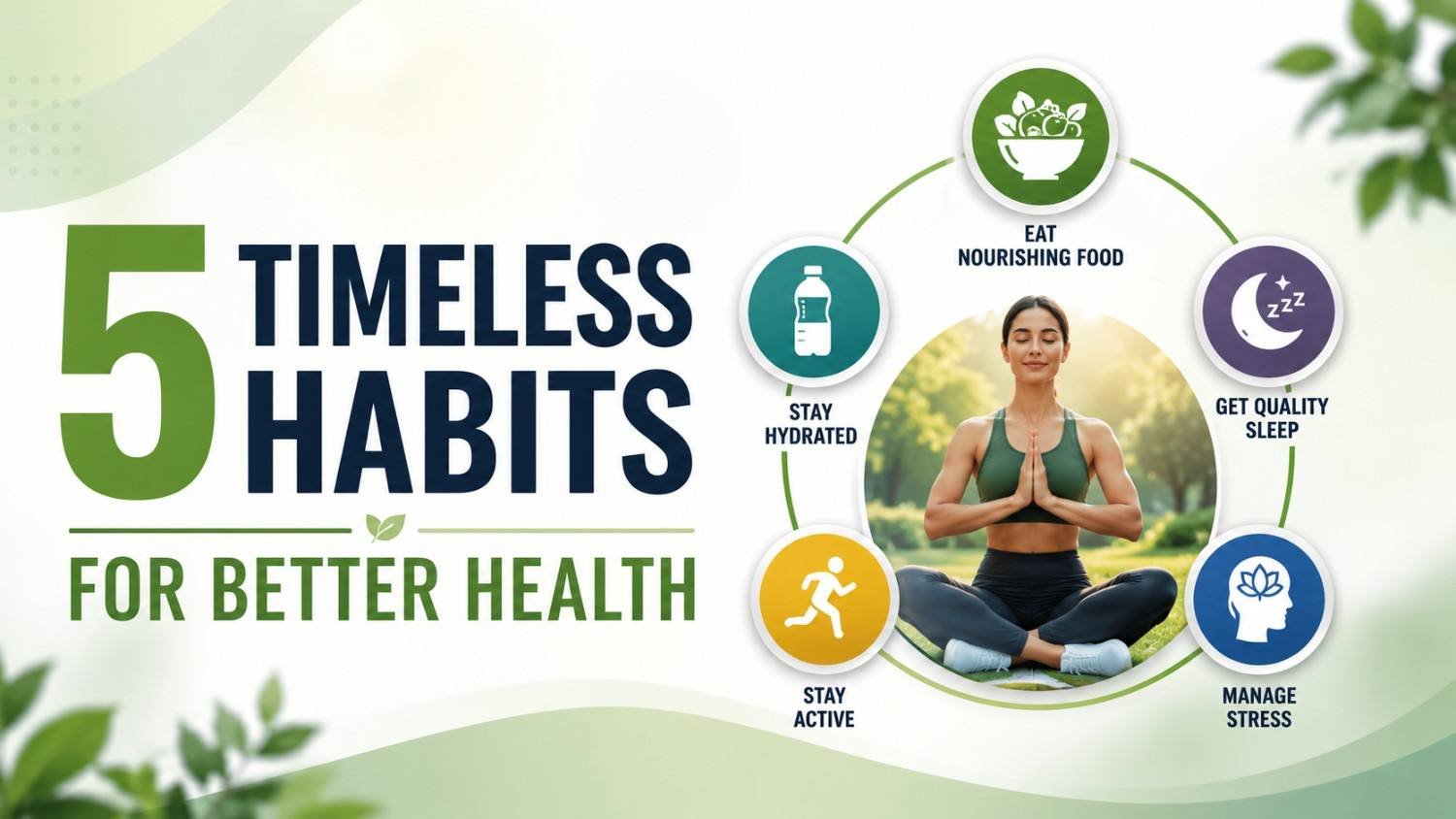
A healthier lifestyle does not really need to start with some extreme transformation. Research-informed guidance keeps circling back to fundamentals such as mindfulness , enough sleep, nourishing foods , steady movement , and reducing contact with harmful environmental pollutants. The 2025 article from Harvard Health about enduring health habits points to those same big ideas, and it suggests weaving them into your everyday rhythm rather than chasing quick fixes. Below are five practical habits that can support healthy living habits, without making your routine unnecessarily complicated.
1. Make Mindfulness Part of Your Daily Routine
Mindfulness kind of means paying attention to right now, not getting yanked around by worries about what already happened or what might happen later. Also, it doesn’t strictly need some long meditation session or a special little room or anything like that. Just a few calm minutes, focusing on your breathing, your surroundings, or what you’re doing at the moment, can turn into a pretty practical way to slow everything down during a hectic day . Harvard Health mentions that mindfulness ,and meditation can help people with stress, sleep, focus, and even brighter moods. You can bring it in through everyday stuff too, like noticing what is happening while you walk, or doing paced breathing practices, which are simple, accessible ways to stay grounded.
For a simple mindfulness practice for beginners, try:
- Taking five slow breaths before starting work.
- Eating one meal without checking your phone.
- Paying attention to your surroundings during a walk.
- Spending a few minutes noticing your breathing before bed.
The goal is consistency rather than perfection.
2. Protect Your Sleep
Sleep is not just the moment when the body sort of turns off. Good-quality sleep helps physical and mental functioning, plus memory, decision making, immune function, and that general sense of well-being. Harvard Health points out that most adults need at least seven hours of sleep each night, yet individual needs do shift, and sleep quality is part of it too. Rather than trying to patch up lousy sleep with a rare extra-long night, it’s better to shape a healthier sleep routine by using steady, ordinary habits. Getting to bed, and waking up, around the same time can help form a steadier rhythm. Regular physical activity, keeping caffeine a bit earlier rather than later, and cutting down screen exposure before you lie down can also nudge sleep in a better direction.
A practical nighttime routine might include:
- Keeping a reasonably consistent bedtime.
- Avoiding large meals close to bedtime.
- Limiting afternoon and evening caffeine.
- Switching off unnecessary screens before bed.
- Keeping your bedroom comfortable and quiet.
If you regularly struggle to fall asleep, wake frequently, or remain tired during the day, consider discussing the problem with a healthcare professional.
3. Build Your Diet Around Whole Foods
Healthy eating does not really need to turn into some super strict extreme diet thing. A more realistic way is to keep minimally processed, nutrient-rich foods in your routine, kinda like, a regular background part of meals. Harvard Health points out vegetables, fruits, legumes like lentils and beans and a bunch of other minimally processed foods as key pieces of a healthy eating pattern. It also mentions evidence that plant-forward eating patterns are tied to better long-term health outcomes. So for healthy eating habits, it helps to focus on what you can add, not only what you should cut out. Add veggies to meals, grab fruit as an easy snack, pick whole grains when it makes sense, and include solid nutritious protein sources. A balanced way of eating can be way easier to stick with when it matches your culture, your budget,your preferences, and your daily timing.
4. Move More and Sit Less
Exercise does not have to be, you know, spending a full hour at the gym every single day. One of the most helpful movement habits is spotting chances to stay active throughout the day, even in small ways. Harvard Health underlines that movement can show up inside everyday life, not just squeezed into one formal workout session. Walking while talking, taking short movement breaks, or choosing active ways to socialize can make physical activity feel a lot more natural and less like a chore.
Try making movement part of your routine:
- Take short walking breaks during long work sessions.
- Walk while making phone calls when practical.
- Use stairs when appropriate.
- Take a short walk after meals.
- Combine social time with outdoor activity.
The best activity is usually one you genuinely enjoy enough that you want to keep doing it. People with mobility limitations or health conditions should pick movement that matches their own needs , and get professional guidance when it’s needed.
5. Reduce Everyday Exposure to Pollutants
Health is influenced not only by what we eat and how much we move, but also by the surroundings around us. Air pollution, smoke, and certain household exposures can all affect wellbeing , so making reasonable efforts to cut down on unnecessary contact is worth it. Harvard Health talks about pollutants like particulate matter , microplastics , and PFAS and it suggests practical steps such as improving ventilation while cooking and using well-chosen air filtration when outdoor air quality turns poor. You don’t have to get worried about every tiny possible environmental exposure. Instead, keep your attention on sensible things.
healthy home habits:
- Ventilate your kitchen properly while cooking.
- Avoid indoor smoking.
- Check local air-quality information when pollution is high.
- Consider appropriate air filtration when needed.
- Use food and drink containers made from suitable materials.
The goal is sensible risk reduction rather than trying to eliminate every environmental exposure.
Why Simple Health Habits Often Work Better
One reason people struggle with wellness goals is that they try to start with too many changes at once, like all at the same time. A totally new diet, a demanding workout schedule, a strict sleep routine, plus a long meditation session can feel overwhelming pretty fast. A more workable strategy is to build one behavior first, then move on.
For instance, begin with a 10-minute evening walk. Once it feels like a normal thing, improve your bedtime routine next. After that, add more vegetables to just one daily meal. These gradual tweaks are easier to track and fine-tune. They might not bring dramatic results overnight, but the real benefit shows up through repetition.
Combine Habits Instead of Adding More Tasks
You can also link healthy behaviors to things you already do. For example, do mindful breathing right after brushing your teeth. Or take a short walk after lunch. Prepare your healthy breakfast for tomorrow while cleaning up after dinner.
That style helps shrink the number of separate decisions you have to make each day. The goal is to have the healthy habit become part of your everyday life, instead of something you constantly remember as “one more item” on some long checklist, which is exhausting.
Avoid the Quick-Fix Mindset
Supplements, extreme diets, pricey wellness products, and complicated routines can sometimes pull attention away from the basics. That does not mean every wellness product is automatically useless though. Some people have specific medical or nutritional needs that really do require professional guidance. Still, a product should not replace foundational behaviors like enough sleep, nutritious eating, physical activity, and appropriate healthcare. The Harvard Health reference also frames these habits as a way to avoid constantly chasing wellness fads, or looking for a quick fix that never quite sticks.
Make Healthy Habits Realistic
A health routine should really match the way your life actually rolls. If you work long hours, a 90-minute workout might not be realistic, every single day. A quick walk may turn out more sustainable, and honestly, easier to keep. If cooking every meal is out of the question, just improve a few meals each week. The same idea goes for sleep and mindfulness too, because both things need to fit in your day not the other way around.
Instead of asking, “What is the perfect routine?” ask, “What healthier behavior can I realistically repeat?”
That question makes sustainable healthy lifestyle habits much easier to build.
Listen to Your Body and Seek Professional Advice
General wellness tips can’t really replace personalized medical care. Your age, past medical history, current medications, physical abilities, nutrition requirements and any existing health issues can all shift what kind of habits may make sense for you . Also, if you have symptoms that keep showing up, don’t just assume it’s purely lifestyle related. When you’re dealing with ongoing trouble sleeping, unexplained tiredness, noticeable weight changes, persistent pain, breathing difficulties, or other worrisome signs, it’s best to check in with a qualified healthcare professional. Harvard Health also notes that its general information should not stand in for direct medical guidance or advice.
A Simple 5-Habit Health Checklist
If you want to put these ideas into practice, start with a simple weekly checklist:
- Mind: Spend a few minutes practicing mindfulness.
- Sleep: Maintain a consistent sleep and wake schedule.
- Food: Include more minimally processed, nutrient-rich foods.
- Movement: Break up long periods of sitting.
- Environment: Reduce avoidable exposure to smoke and indoor pollutants.
You do not have to do everything perfectly every day. The objective is to gradually create a lifestyle where healthier choices become easier and more automatic.
Conclusion
Better health doesn’t always mean you need a complicated schedule, pricey products, or huge dramatic life shifts. There are five old, steady habits, sort of practicing mindfulness, protecting your sleep, eating nutritious whole foods, moving regularly, and lowering unnecessary environmental exposures that can give you a grounded starting point for everyday well-being. They tend to work best once you fit them to your situation and keep doing them, not when you treat them like a short term test. The most helpful health routine is the one that feels realistic enough to stay with for years, while, of course, professional medical advice should lead the way if you have any worries or conditions that need individualized care.
Frequently Asked Questions
1. What are the most important healthy habits?
Regular movement, sufficient sleep, nutritious eating, mindfulness, and avoiding unnecessary environmental exposures are practical foundations for a healthier lifestyle.
2. How much sleep do adults need?
Most adults need at least seven hours of sleep per night, although individual needs vary and sleep quality is also important.
3. Is walking enough to improve health?
Walking is an accessible form of physical activity and can help increase daily movement. The appropriate amount and intensity of activity depend on individual circumstances.
4. What is the easiest healthy habit to start?
Start with something small, such as a short daily walk, a consistent bedtime, or adding one serving of vegetables to a meal.
5. Do I need a complicated wellness routine?
No. A simple routine built around sustainable behaviors can be more practical than constantly changing diets, supplements, or wellness trends.