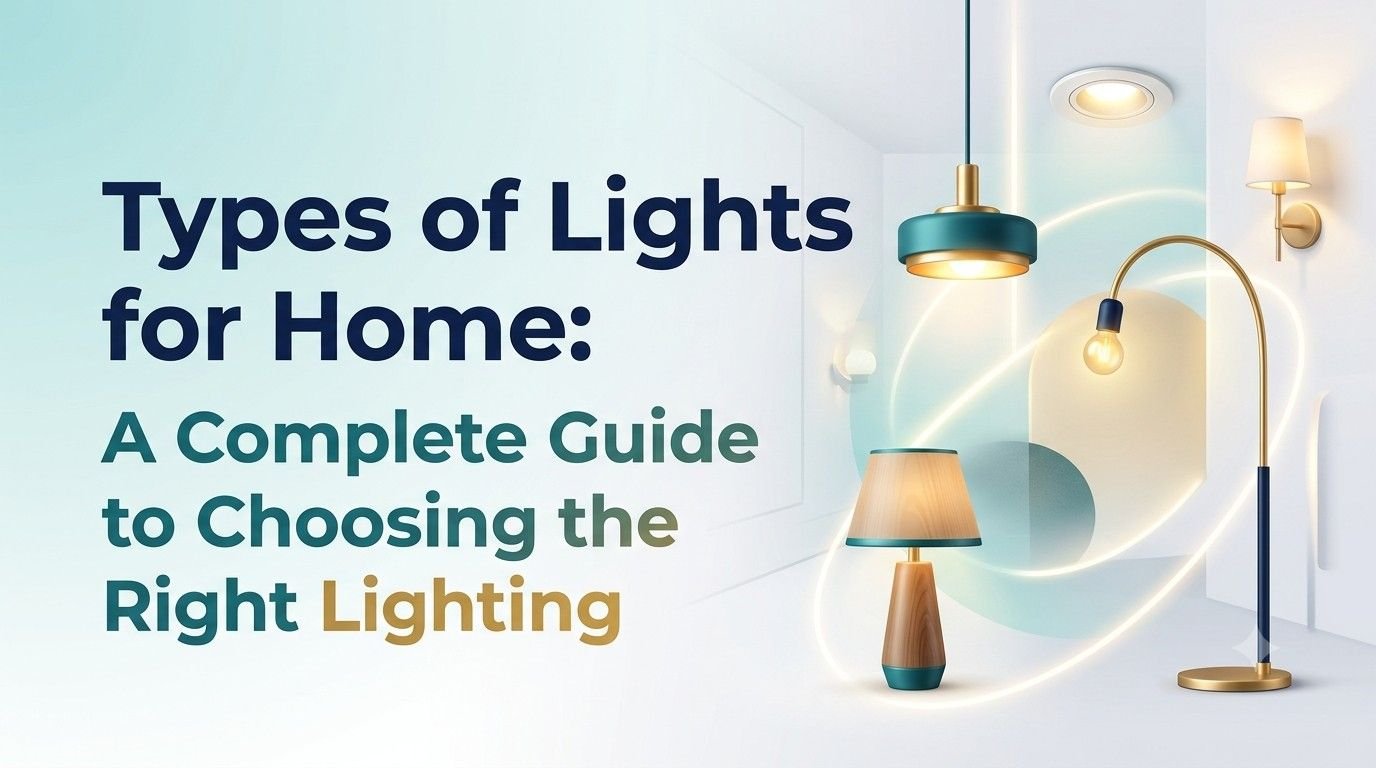
Good lighting can, honestly, totally change the way a home looks and it can feel different too. A beautifully designed room can start feeling dull when the lighting is too harsh, too weak, or just placed in a way that doesn’t really work. Also, if you pick good-looking fixtures but don’t think about the purpose, you might end up with odd shadows, glare that bothers you, and rooms that feel kind of uncomfortable. That’s why it makes sense to treat lighting like it’s part of the overall home design, not something you slap on at the end as a finishing detail.
The right home lighting design balances appearance, comfort, practicality, and energy efficiency, all at once. Different rooms need different levels, and different types, of illumination. And it’s not only about the bulbs, furniture layout, wall colors, ceiling height, and even the amount of natural light you get each day they all affect the final result. In this guide, we take a look at the main types of home lighting, the most popular fixtures, room-by-room ideas, and some practical tips so you can build a home that’s both comfortable, and visually appealing too.
Understanding the Main Types of Home Lighting
Before picking out individual fixtures, it kinda helps to get what lighting is supposed to do in the first place. Most home lighting can be split into ambient, task, accent, and decorative lighting. These groups can run on their own, but the nicer interiors usually mash two or more together. A solid residential lighting plan does not just make every corner the same kind of bright, either. Instead it builds layers of light that support different routines and little moods throughout the house, you know.
1. Ambient Lighting
Ambient lighting is the main kind of illumination that keeps a room generally visible and comfortable. It can come from ceiling fixtures, recessed lights, chandeliers, wall mounted fixtures, or other sources that spread light over a wider area. The goal is to make an even base, without turning the space into something overly bright. Ambient lighting is especially important in living rooms, bedrooms, kitchens, hallways and other spots that get used most of the day.
2. Task Lighting
Task lighting is the kind of illumination that’s meant to lock in on a specific activity. Reading, cooking, studying, working, applying makeup, and even prepping food are all things that do better with targeted light. You can use a desk lamp, under cabinet lights, a bedside lamp, or a pendant above a work area to get that focused coverage. Good task lighting for the home should calm shadows and reduce glare, while still placing enough brightness exactly where you actually need it.
3. Accent Lighting
Accent lighting is sort of used to pull your attention toward certain features, you know, those little things. Artwork, textured wall surfaces , plants, shelves , architectural accents, and decorative pieces can all become the main focal point, as long as the lights are placed thoughtfully. Spotlights, picture lights, directional recessed fixtures, and adjustable track lights also fit in here nicely. With accent lighting an interior tends to gain depth, and it doesn’t look visually flat, at least not in that same way.
4. Decorative Lighting
Decorative lighting is mainly about how the fixture looks in the first place. A sculptural pendant, a bold chandelier, an artistic wall light, or a designer lamp can end up being part of the room’s décor, even if the illumination is not the main goal. This strategy tends to shine when homeowners want their lighting to add personality to the space. In other words, the fixture works as both a light source and a design object you can actually see.
Popular Types of Lights for Home
Understanding lighting categories is only the first step. The fixture you select determines how the light is distributed and how it contributes to the room’s appearance.
Chandeliers
Chandeliers can be, sort of, a statement fixture that brings elegance and a stronger visual focus into a room, you know. People often place them above dining tables, in double-height living rooms, entrance areas, and bedrooms too, as long as the ceiling has enough height. Nowadays chandeliers come in minimalist, geometric, contemporary, traditional and even artistic styles. But when you are picking one, it really helps to think about the room’s scale and ceiling height not just choose something because it looks good on its own.
Ceiling Lights
Ceiling lights give practical general illumination and they fit a lot of areas in a home. Flush-mount fixtures are great when ceiling height is limited or awkward, and bigger pieces can work as decorative moments in larger spaces. LED ceiling fixtures are popular too, mainly because they deliver efficient lighting while still coming in various shapes, sizes, and colour temperatures. They also tend to work really well in rooms where you need dependable everyday light, all the time.
Pendant Lights
Pendant lights hang down from the ceiling and they often create more concentrated illumination than regular ceiling fixtures. You’ll see them commonly over dining tables, kitchen islands, breakfast counters, and in chosen living-room zones. Since they come in so many designs, pendant lights can help reinforce the overall interior mood. A simple pendant might suit a minimalist home, while a handcrafted textured fixture can bring warmth to a more traditional interior, without trying too hard.
Wall Sconces
Wall sconces are mounted directly onto walls and they can deliver ambient, accent, or decorative illumination. They work nicely in corridors, bedrooms, living rooms, along staircases, and beside mirrors. Plus they can save floor space and table space, which is always a win. When you install them at the right heights, sconces create a softer layer of light and can make walls feel more visually interesting.
Under-Cabinet Lighting
Under-cabinet lighting is kind of especially helpful in kitchens, because it lights up countertops that might otherwise stay in shadow. It helps your eyes with visibility while chopping or preparing ingredients, and even when cleaning surfaces. LED strips and compact fixtures are commonly picked because they deliver fairly focused illumination, and they don’t really take up that much counter space.
Table and Desk Lamps
Table and desk lamps feel flexible, since you can move them, swap them out later, without doing any real electrical layout changes. They’re handy for reading, studying, working, or for making a relaxed bedside vibe. A lamp with an adjustable head can send the light right where it’s needed, not just “somewhere.” Decorative table lamps can also bring in texture, colour, or that warm glow to side tables and consoles.
Floor Lamps
Floor lamps work well when homeowners want extra lighting, but don’t want to install yet another ceiling or wall fixture. You can position them next to sofas, reading chairs, consoles, or even those empty corners that feel kinda awkward. Arc lamps can brighten seating areas from above, while upright lamps usually give off a softer ambient light. Plus, because they’re portable, they’re convenient when furniture arrangements shift around.
Recessed Lights
Recessed lights are set into ceilings, so the fixture sits relatively flush with the surface. They’re often chosen in contemporary interiors, since they make everything look neat and not cluttered. Depending on beam direction and placement, they can be used for general, task, or accent illumination. That said, if you add too many recessed lights, the ceiling can start looking visually busy and the brightness can become excessive, pretty quick.
Track Lights
Track lighting uses a track that supports multiple adjustable fixtures. Each light can often be directed toward a different area, making the system useful for flexible accent lighting. Track lights can highlight artwork, shelving, architectural details, or specific zones in open-plan rooms. They are particularly useful when homeowners want flexibility rather than fixed illumination.
Room-Wise Lighting Ideas for a Home
Different rooms require different lighting strategies. A bedroom should not necessarily use the same lighting arrangement as a kitchen or study.
Living Room Lighting
A living room really helps when lighting is layered, not just one super bright ceiling fixture. Try mixing ambient illumination with floor lamps, table lamps, wall lights, or accent fixtures, even if it feels a bit busy at first. For reading, use brighter task lighting near the spots people actually sit and read, but keep the seating areas softer, so it doesn’t feel too sharp. Also, dimmers are pretty handy, they make it easier to shift the whole atmosphere from daytime activity into relaxed evening use, and nobody has to suffer that “too much light” thing.
Kitchen Lighting
In kitchens you want practical visibility, because cooking and food prep have all those small detailed tasks. Use general ceiling illumination, then add cabinet lighting plus focused lights over islands or counters. Under-cabinet fixtures are especially useful, since they cut down the shadows that overhead lighting can create, you know those annoying dark patches. Just be sure the work surfaces get enough illumination without causing uncomfortable glare.
Bedroom Lighting
Bedrooms usually do better with softer lighting that can be adjusted. Bedside lamps, wall sconces, dimmable ceiling fixtures, and indirect illumination can come together to form a calmer atmosphere. Don’t lean only on extremely bright overhead lighting, that’s often a mistake people make. Instead, use multiple smaller sources, so homeowners can build different light levels depending on if they’re reading, getting ready, or just winding down.
Bathroom Lighting
Bathroom lighting should give clear visibility, but also avoid harsh shadows, especially around mirrors. A combination of ceiling illumination and correctly positioned mirror or vanity lighting can make everyday use feel a lot easier. And yes, fixtures should be chosen with the right specifications for areas exposed to moisture, because bathrooms can be, well, humid sometimes.
Study or Home Office
A home office needs comfortable task lighting that reduces eye strain and shadows. A desk lamp positioned correctly can supplement ceiling illumination and provide focused light for reading or computer-related tasks. Natural daylight is also valuable, but screens and windows should be positioned carefully to reduce reflections and glare.
How to Choose the Right Bulb
The fixture is only one part of a lighting system. The bulb or light source also influences how a room looks and feels.
When selecting bulbs, consider:
- Colour temperature: Warm light creates a softer atmosphere, while cooler light can feel more alert and functional.
- Brightness: Select an appropriate output for the size and purpose of the room.
- Energy efficiency: LED technology can reduce energy consumption compared with older lighting technologies.
- Colour rendering: Good colour rendering helps furniture, fabrics, artwork, and finishes appear closer to their natural colours.
- Dimmability: Dimmable sources provide greater control where compatible switches and fixtures are installed.
Why Layered Lighting Works Better
One of the most important principles behind modern layered lighting ideas is trying not to lean on just one source. Like, imagine a living room with only one ceiling light. When that one is switched on, the whole room kind of gets the same illumination , so there is not much control for mood or focus, at least not really. Now, instead, add a floor lamp beside a reading chair, wall lights near artwork, and maybe a softer source around the television corner. The room then turns more adaptable, because different mixes can be used for different moments. One plan for late night viewing , another for conversations , and so on.
Smart Lighting for Modern Homes
Smart lighting can also add extra steering through apps, voice assistants, timers, sensors, or automation systems. In the end, homeowners can set up various lighting scenes for activities like movie time, dining, working, or just relaxing.
Useful features may include:
- Remote control.
- Dimming.
- Scheduling.
- Motion detection.
- Automated scenes.
- Colour-temperature adjustment.
However, smart features should solve a genuine need rather than being added simply because they are fashionable.
Energy-Efficient Home Lighting
Lighting can, in a way, add to your household electricity use, so energy efficiency kind of becomes a big deal. LED lighting is widely used because LEDs provide efficient illumination and usually run for a long time. If you pick efficient fixtures, switch off lights that aren’t needed, use daylight properly, and add controls, you can cut energy use even more. In the end, a solid energy efficient home lighting plan mixes efficient tech with smart, almost deliberate placement, not only throwing in the most energy saving bulbs possible.
Common Lighting Mistakes to Avoid
Even expensive fixtures can produce poor results when the overall lighting plan is not considered.
Avoid these common mistakes:
- Using only one light source in a large room.
- Installing too many recessed lights.
- Ignoring natural daylight.
- Choosing bulbs without considering colour temperature.
- Creating glare on television or computer screens.
- Selecting fixtures that are too large for the room.
- Forgetting task lighting in work areas.
- Using overly bright lighting in relaxing spaces.
The best lighting plan considers the room’s function before choosing the fixture.
Final Tips for Better Home Lighting
Before buying fixtures, kind of watch how daylight kind of slides through each room, like from morning to late afternoon. Note where the light falls short, and also where you’d like a bit of attention grabbing contrast or a focal point. It helps to think in three layers, general illumination, focused task lighting, and decorative, or even accent lighting. When you blend those pieces together you get more flexibility, and the whole space feels deeper, less flat.
Also think ahead about future maintenance . Make sure the fixtures are reachable for cleaning, and for swapping out parts later, if needed. At the same time, place switches where they’re actually handy, not tucked away awkwardly. A workable plan usually stays relevant long after the initial design excitement fades.
Conclusion
Picking the right light types for a home is way more than just making rooms brighter. Solid lighting boosts how things work day to day, how comfortable it feels, the mood, and the overall visual personality of the interior. From ambient and task lighting to chandeliers, pendant lights, recessed fixtures, wall sconces, and smart systems , every choice has its own job. The best strategy is to mix layers based on what each room is for, match bulbs and colour temperature carefully, and keep energy efficiency in mind without sacrificing comfort. With a bit of careful planning, lighting can turn into one of the most effective parts of a well designed home.
Frequently Asked Questions
1. What are the main types of lighting for a home?
The four main categories are ambient, task, accent, and decorative lighting. A balanced home generally combines several types rather than relying on one.
2. Which lighting is best for a living room?
A combination of ambient ceiling lighting, floor or table lamps, and accent lighting usually works well because it allows different brightness levels for different activities.
3. Are recessed lights good for homes?
Yes, recessed lights can provide clean and flexible illumination, but they should be positioned carefully to avoid excessive brightness, glare, and an overcrowded ceiling.
4. What type of lighting is best for a kitchen?
Kitchens generally benefit from ambient ceiling lighting combined with task lighting over counters, islands, and work surfaces. Under-cabinet lighting is especially useful.
5. Is LED lighting suitable for every room?
LED lighting is suitable for most residential applications, provided the fixture, brightness, colour temperature, and moisture rating are appropriate for the particular space